The Lift
Strategies worth betting your budget on.
Latest articles
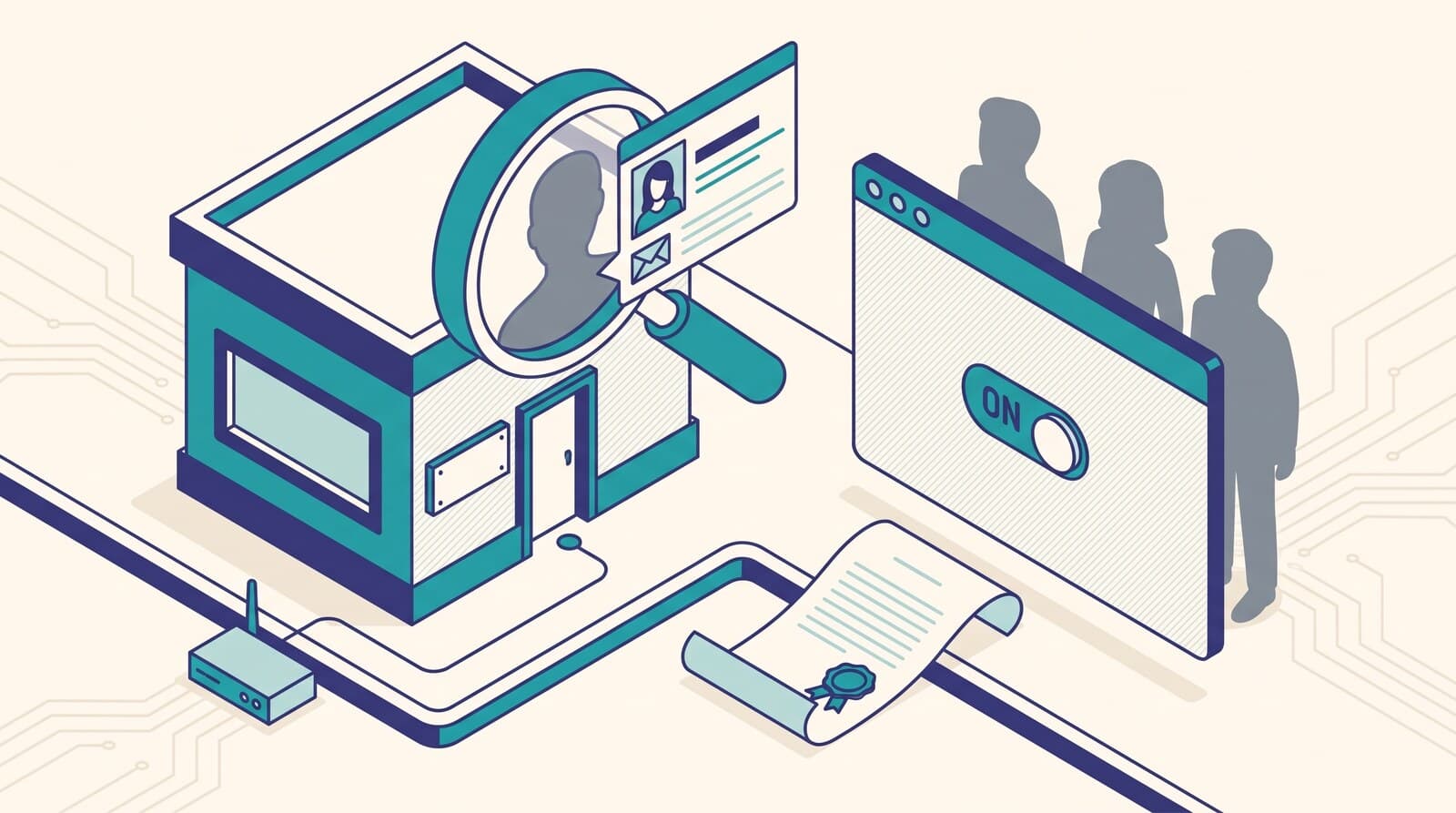
Is an IP Address PII? What US Privacy Law Means for Identifying Website Visitors
California's privacy statute lists an Internet Protocol address by name and treats it as personal information whenever it can reasonably be linked to a consumer or household. This guide walks what an IP address becomes at each step of website visitor identification, when the opt-out signal in the browser has to be honoured, what the California pen-register cases and the Washington wiretap case actually held, and what five identification vendors say they do about all of it.
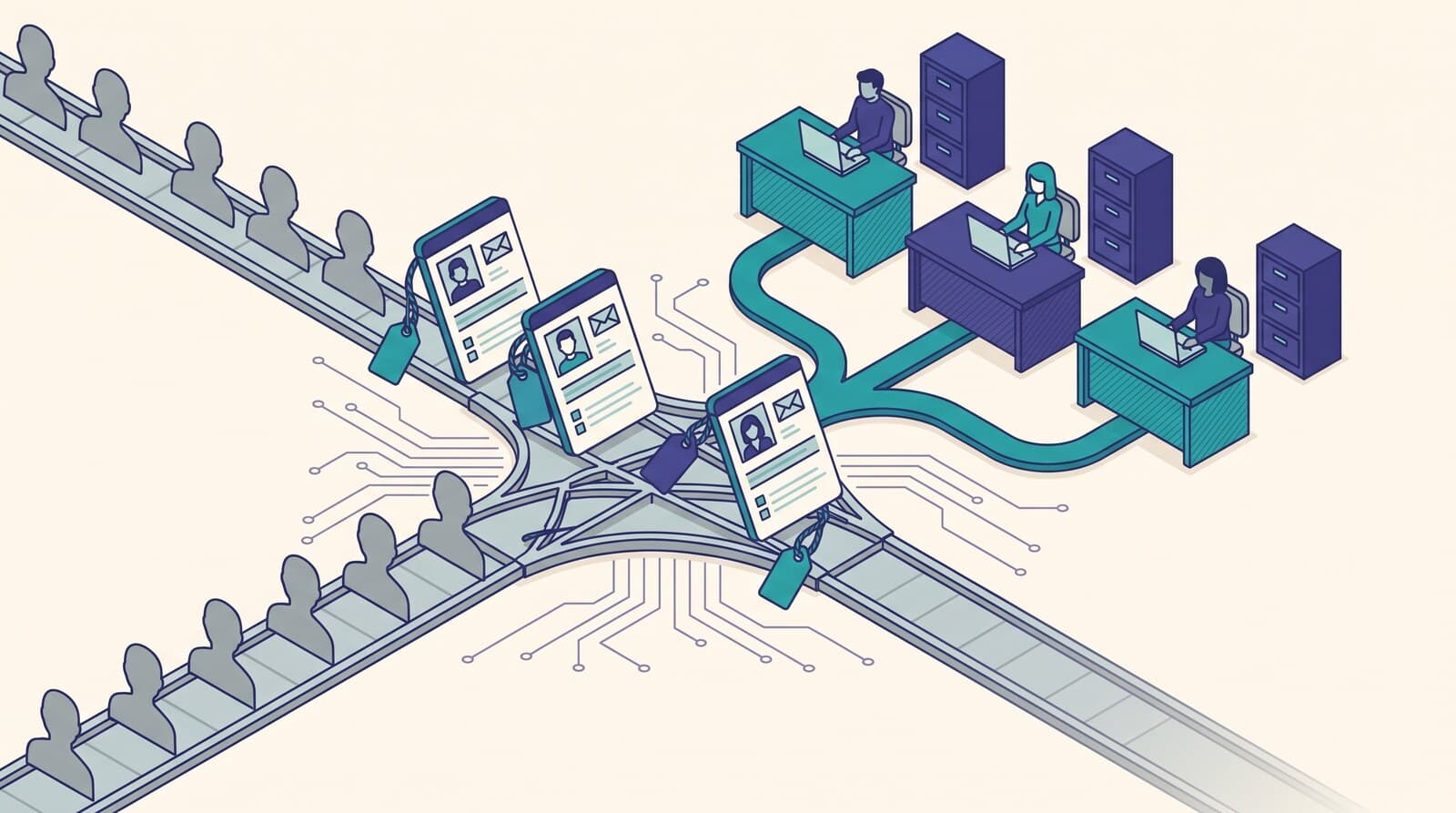
Lead Routing for Identified Website Visitors: From Identified to Pipeline
Identifying a website visitor produces a name, a work email and a page path. What the CRM does with that record in the next sixty seconds decides whether anyone ever acts on it. This guide sets out the five routing decisions in the order they have to run: confidence, buyer-versus-candidate, match before create, owner assignment, and create with the owner already set, with the HubSpot, Salesforce and Bullhorn mechanics for each.
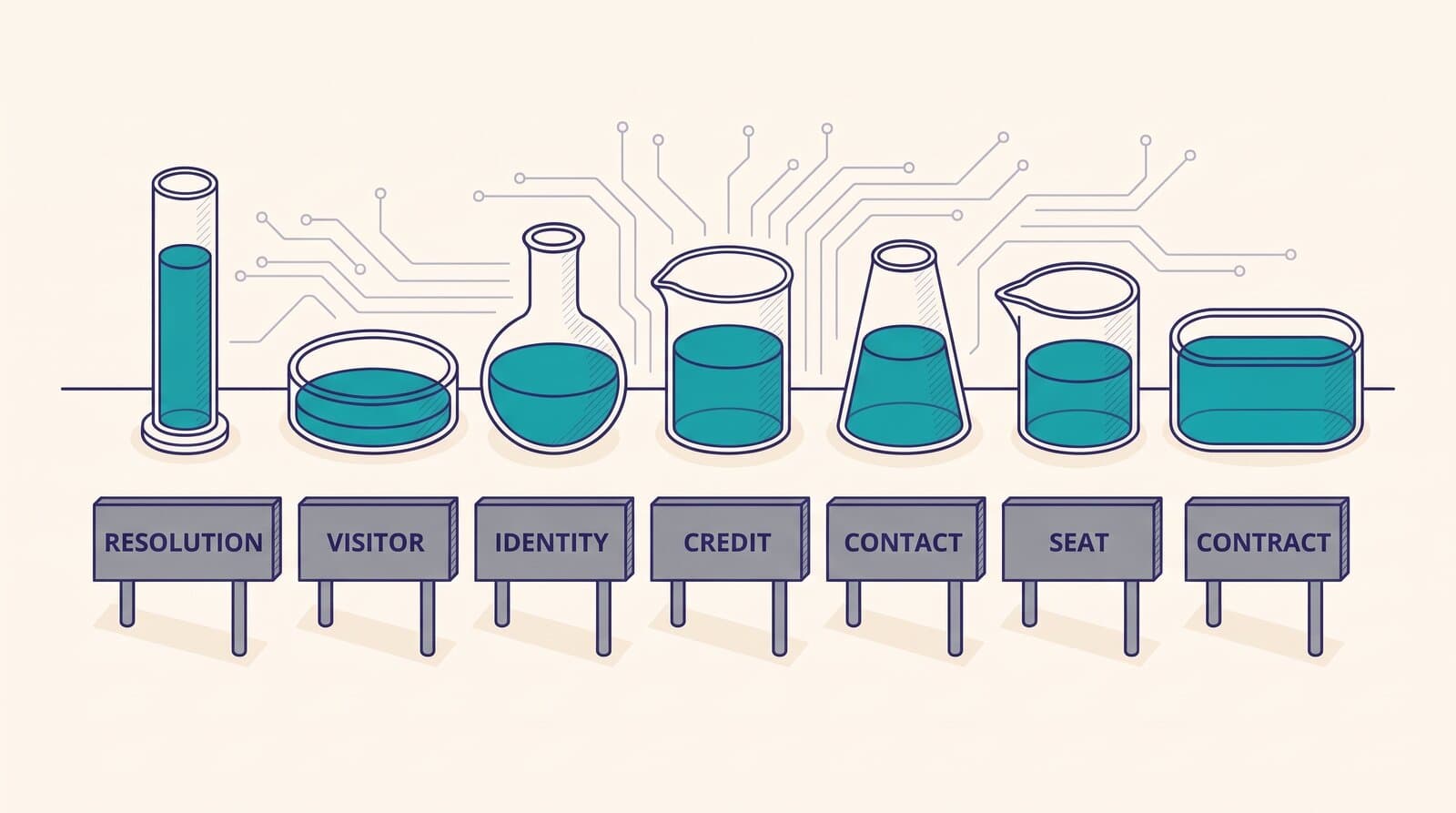
What Website Visitor Identification Costs in 2026
Website visitor identification is sold from $0 a month to $96,000 a year, and the published figure tells you very little on its own. Vendors charge in at least seven different units, so two plans at the same price can buy volumes that differ tenfold. This guide lists every published price as of September 2026, normalises them to cost per identified person, and gives you four questions that make the comparison fair.
WooCommerce Email
View all WooCommerce Email articlesWooCommerce email marketing in 2026: Klaviyo, Mailchimp and Omnisend compared, abandoned cart recovery, and what an automation layer adds to the stack.
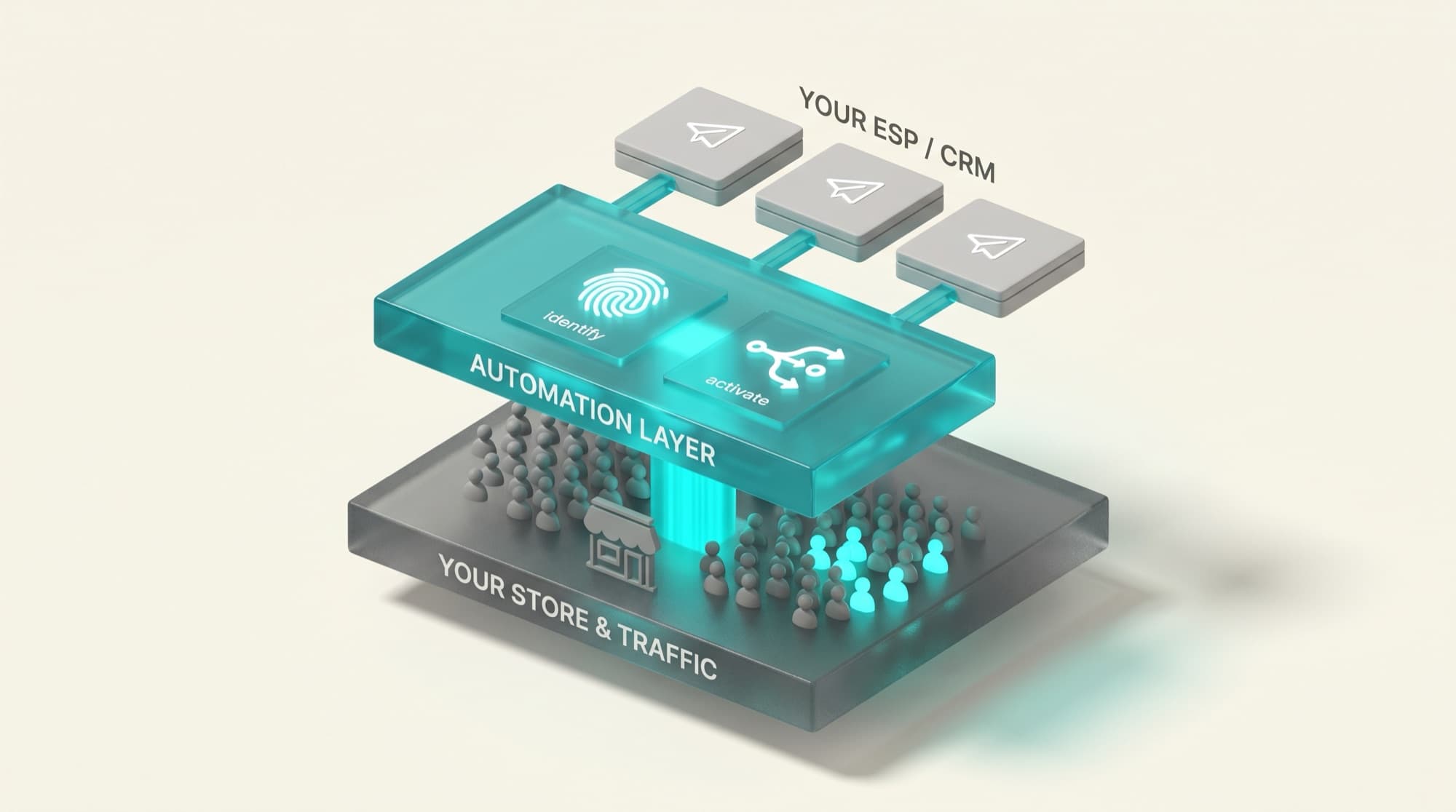
What Is an Email Automation Layer? (And Why Ecommerce Brands Are Adding One)
Search "automation layer" and you get generic email-automation definitions, because nobody has defined the category. An email automation layer is a behavior-and-identity layer that sits on top of the ESP or CRM you already use, resolves the anonymous traffic those tools never see into contacts, and runs the behavioral flows across whatever you send with. This is what it is, how it differs from an ESP, a CRM, and a CDP, and why ecommerce brands are adding one.
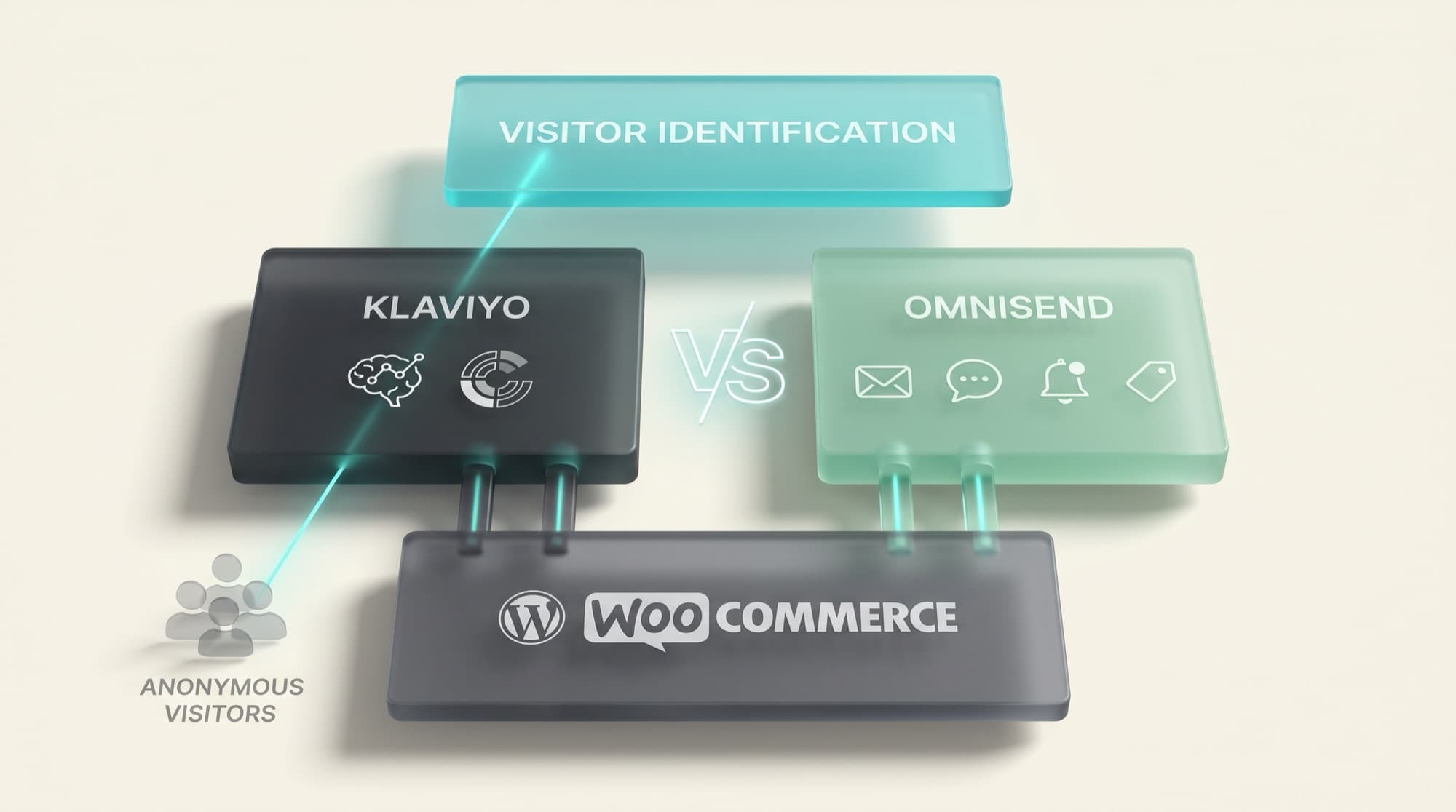
Klaviyo vs Omnisend for WooCommerce: The 2026 Comparison
Klaviyo and Omnisend are the two leading ecommerce-native email platforms, and every comparison ranking for them is written for Shopify. This is the WooCommerce-specific version: where Klaviyo's depth and predictive AI win, where Omnisend's ease, price, and multichannel win, how each integrates with WooCommerce, and the one limitation both share that no ESP comparison mentions, the anonymous traffic neither can email.

AI Email Marketing for WooCommerce: What's Working in 2026
Every AI email marketing guide is the same generic list of tools and the same promise: personalize, optimize send times, write copy faster. Useful, but none of it is specific to WooCommerce, and none of it addresses the lever that matters most. This guide covers what AI genuinely does for a WooCommerce store's email today, what is overhyped, where it is heading with agentic commerce, and why the biggest AI win is not better copy but expanding who you can email in the first place.
Abandoned Cart Email
View all Abandoned Cart Email articlesAbandoned cart email sequences, timing, discounts and subject lines, with cart abandonment benchmarks and setup guides for Klaviyo, Shopify and WooCommerce.
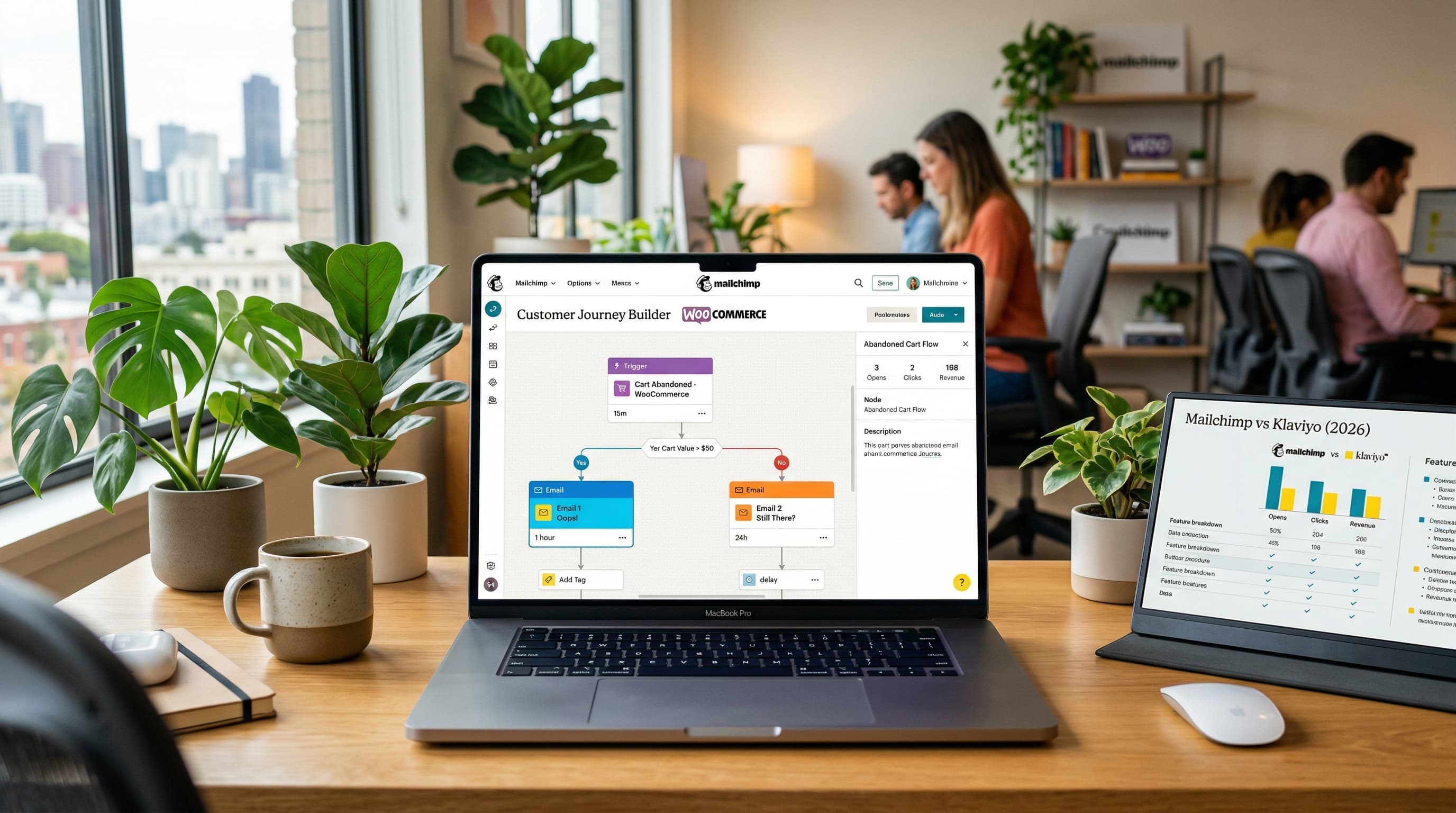
Mailchimp Abandoned Cart Email for WooCommerce: Setup and Plugin Guide (2026)
Most cart recovery guides assume Shopify and Klaviyo. If you are on WooCommerce and Mailchimp, the advice gets thin. Mailchimp can run a three-email flow — but you need the Standard plan, and the setup has traps. Caching plugins silently kill cart tracking. Guest checkout goes untracked unless the JS loads right. The automation sometimes connects to staging instead of production. Full setup, the five things that break it, and when Mailchimp is enough vs. when you have outgrown it.
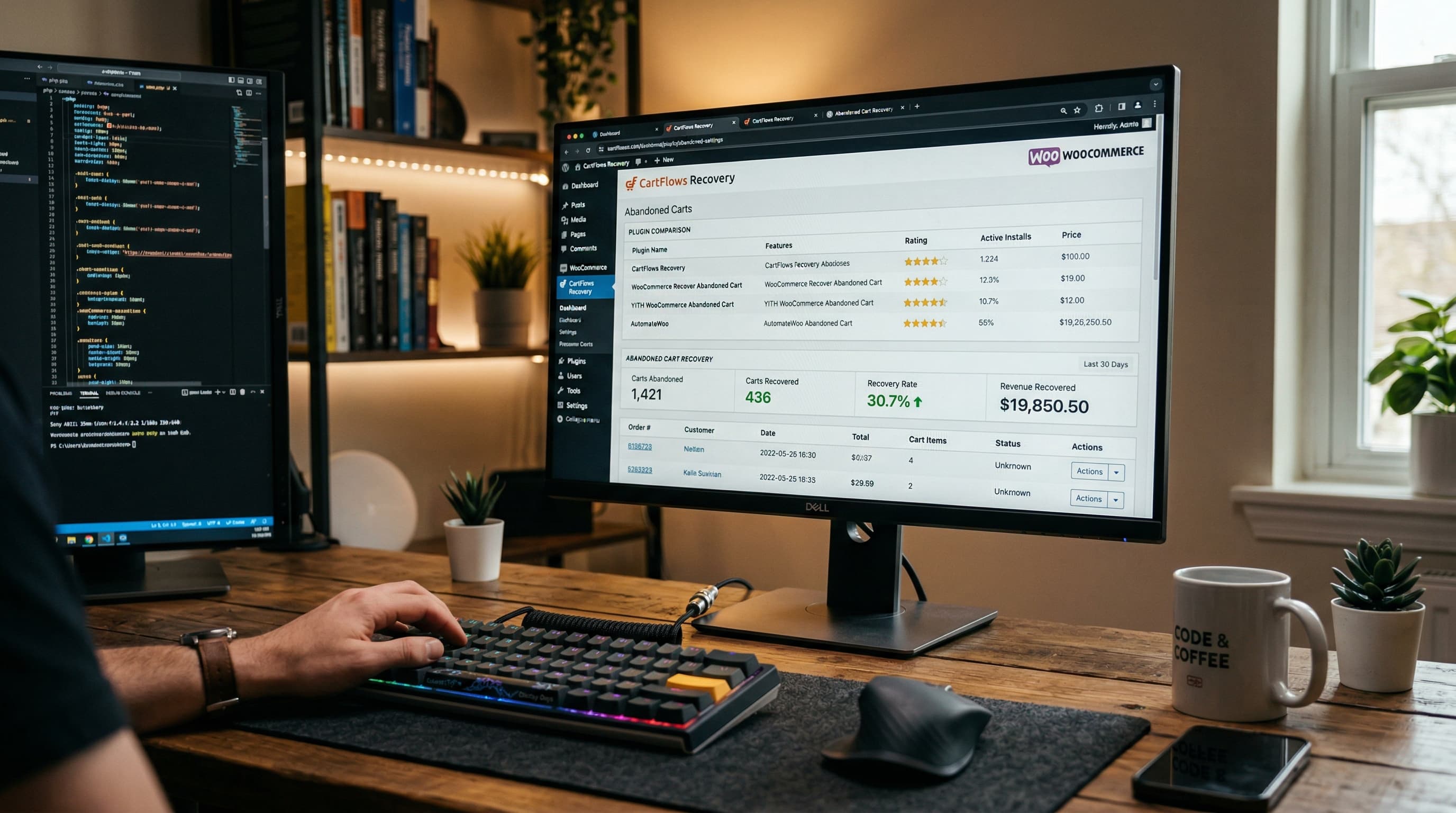
WooCommerce Abandoned Cart Email: Complete Setup and Plugin Guide for 2026
WooCommerce has no built-in cart recovery and most advice assumes Shopify. The free Cart Abandonment Recovery plugin gets a three-email flow running in 5 minutes. AutomateWoo ($119/yr) adds Klaviyo-level logic inside WordPress. Or skip plugins and connect your ESP. The catch: caching plugins silently break cart tracking, and guest checkout goes untracked by default — 70-80% of shoppers invisible. Full setup for both paths plus the WooCommerce-specific fixes nobody warns you about.

Browse Abandonment vs. Cart Abandonment vs. Checkout Abandonment: The Complete Email Recovery Playbook
Most stores run one abandonment flow and miss two-thirds of the funnel. Browse abandonment catches window shoppers who never carted (1-3% conversion, massive volume). Checkout abandonment catches people who entered payment info and bailed (10-15%). Stack all three with suppression and a store doing $15K/month in cart recovery jumps to $33K. The trick is frequency capping so nobody gets 8 emails about the same product. Full playbook for running all three flows without over-emailing.
Email Marketing
View all Email Marketing articlesEmail marketing benchmarks by industry: open rates, click-through rates, deliverability, attribution and revenue per recipient, with the 2026 data behind each.
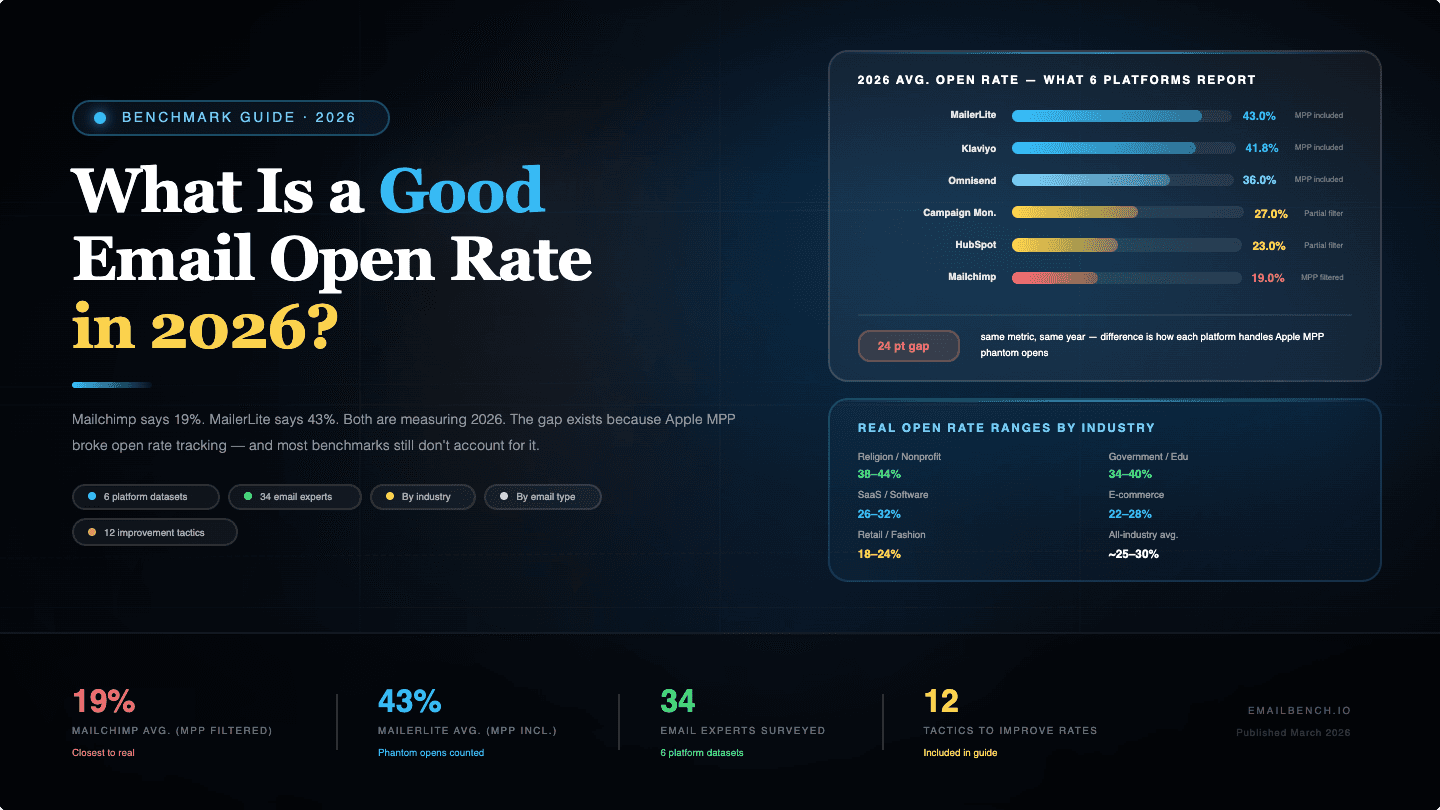
What is a good email open rate in 2026?
Mailchimp says the average open rate is 19%. MailerLite says 43%. Both are measuring 2026. The gap exists because Apple Mail Privacy Protection broke open rate tracking in 2021, and most benchmarks still don't account for it. This guide pulls data from 6 major platforms and 34 email experts to give you real benchmarks by industry, email type, and list size, plus 12 tactics to improve your numbers.
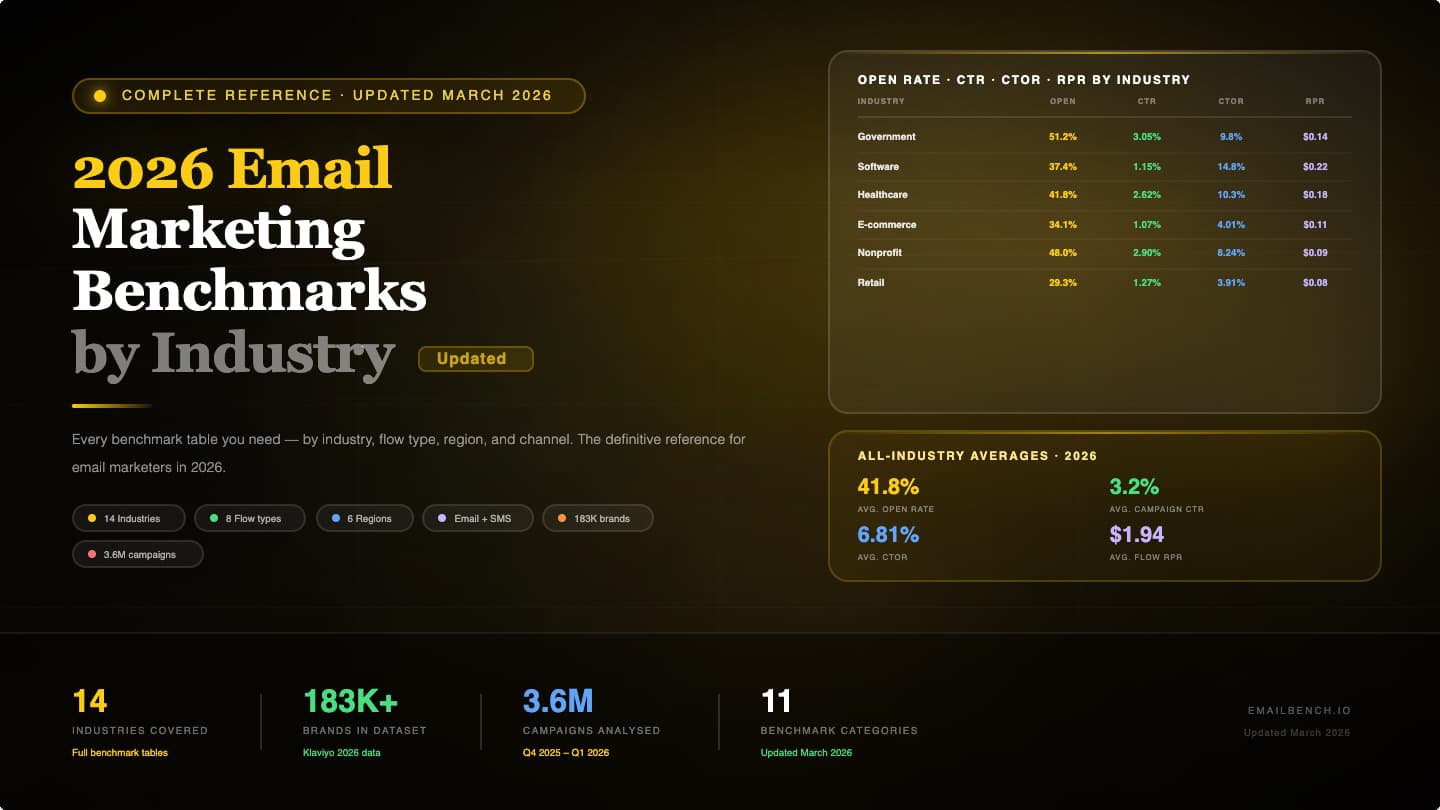
2026 Email Marketing Benchmarks by Industry: The Complete Reference [Updated October 2026]
Think your 31% open rate is bad? It depends on your industry — Religion hits 55.71%, Travel sits at 30.10%, and all of those numbers are inflated by 15-20 points anyway. This is the complete 2026 benchmark reference: 10 tables covering open rates, CTR, RPR, deliverability, regional data, SMS vs. email, AI impact, and send times — sourced from 183K+ brands and 3.6M campaigns. Bookmark it and stop Googling "average email open rate" every quarter.
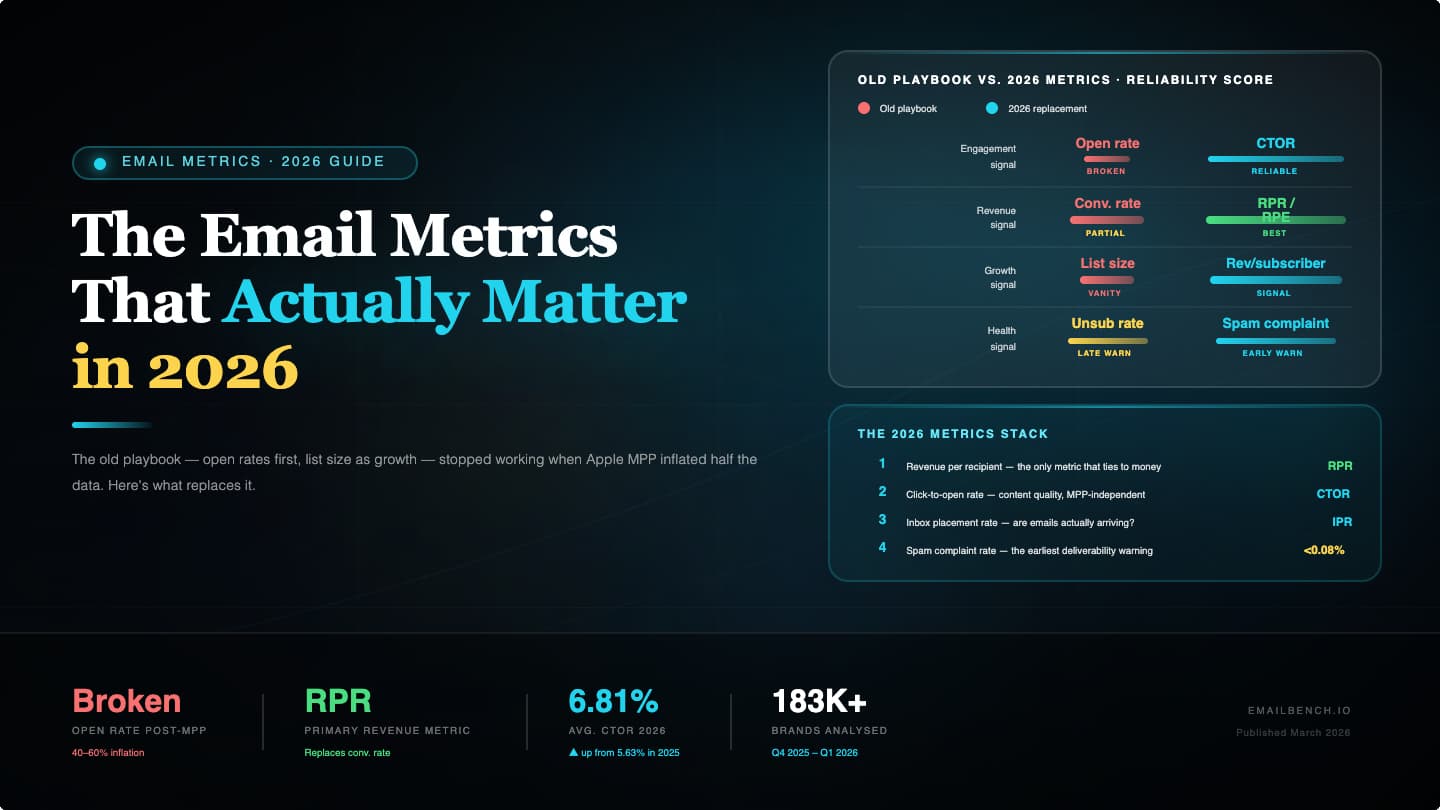
The email metrics that actually matter in 2026
Still reporting open rates first? That hierarchy stopped making sense when Apple MPP inflated half the data. This post lays out a four-tier metrics framework — Revenue, Engagement, Health, and Strategic — built from 183K+ brands and 25 industry experts. It replaces the old open-rate-first playbook with a system that starts where it should: at the money.
Browse all articles
Is an IP Address PII? What US Privacy Law Means for Identifying Website Visitors
California's privacy statute lists an Internet Protocol address by name and treats it as personal information whenever it can reasonably be linked to a consumer or household. This guide walks what an IP address becomes at each step of website visitor identification, when the opt-out signal in the browser has to be honoured, what the California pen-register cases and the Washington wiretap case actually held, and what five identification vendors say they do about all of it.
Lead Routing for Identified Website Visitors: From Identified to Pipeline
Identifying a website visitor produces a name, a work email and a page path. What the CRM does with that record in the next sixty seconds decides whether anyone ever acts on it. This guide sets out the five routing decisions in the order they have to run: confidence, buyer-versus-candidate, match before create, owner assignment, and create with the owner already set, with the HubSpot, Salesforce and Bullhorn mechanics for each.
What Website Visitor Identification Costs in 2026
Website visitor identification is sold from $0 a month to $96,000 a year, and the published figure tells you very little on its own. Vendors charge in at least seven different units, so two plans at the same price can buy volumes that differ tenfold. This guide lists every published price as of September 2026, normalises them to cost per identified person, and gives you four questions that make the comparison fair.
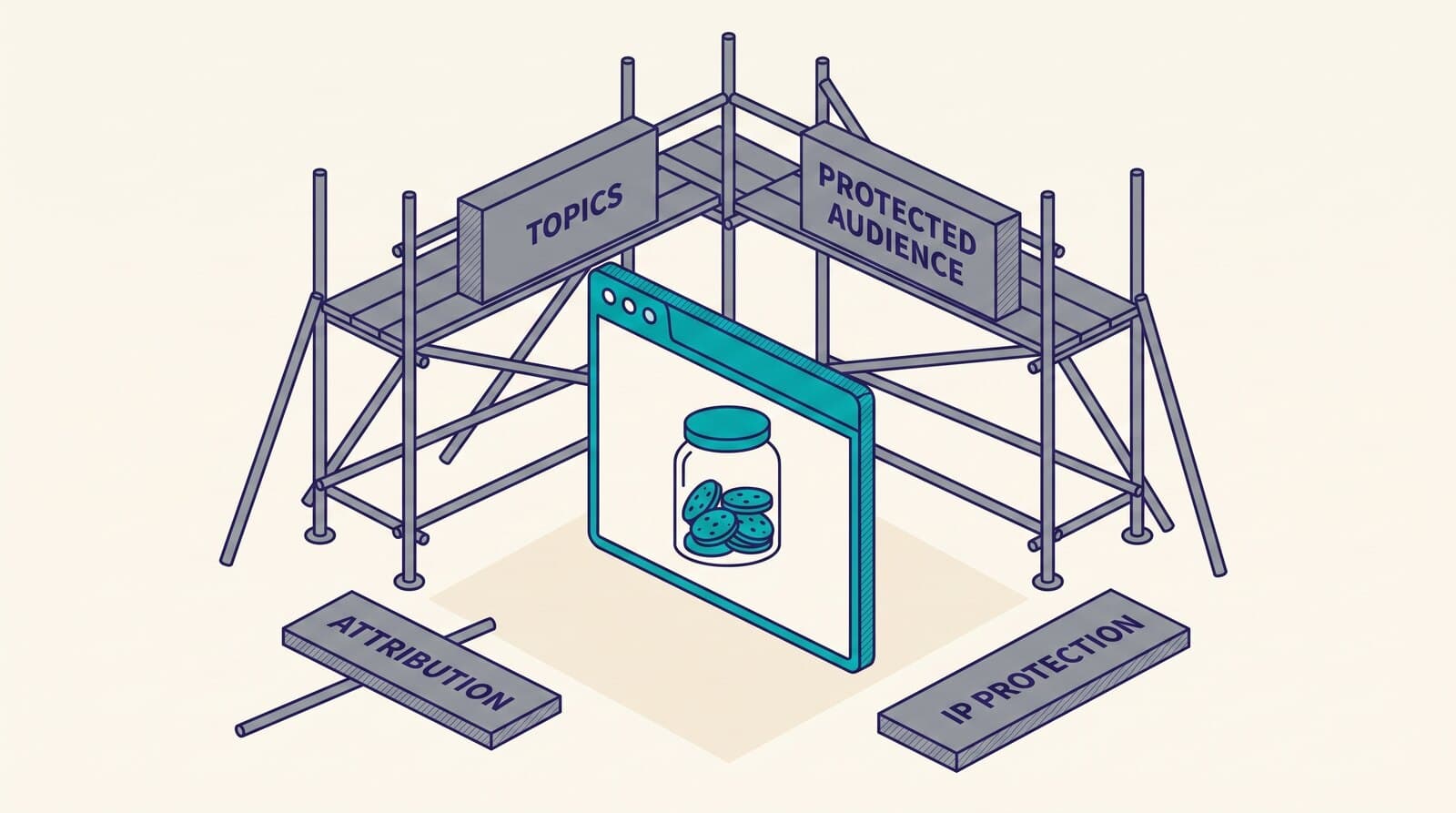
Third-Party Cookies Didn't Die. The Deprecation Did.
Google decided in April 2025 to keep third-party cookies in Chrome, then retired most of Privacy Sandbox that October. The cookieless migration much of the industry planned for is not happening in the form it was sold. This guide covers what was actually announced, why B2B visitor identification never depended on third-party cookies, what server-side collection does and does not fix, and how long each kind of signal really lasts.
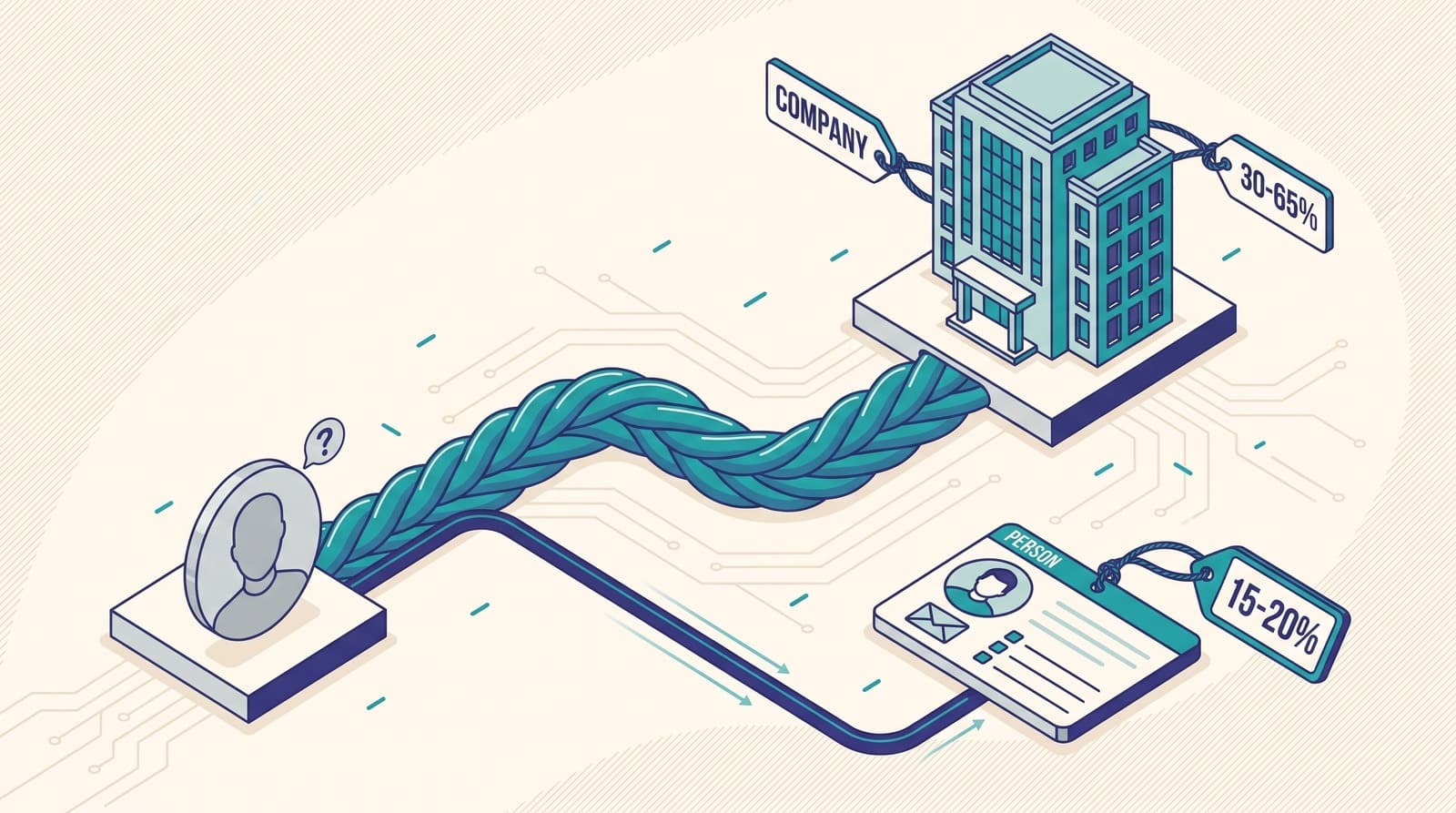
Person-Level vs Company-Level Identification: What You Can Actually Know About a B2B Visitor
B2B website visitor identification resolves anonymous traffic at one of two levels, and the gap between them decides what you can do with the result. Company-level returns an organization from an IP address. Person-level returns a named individual with a work email. This guide covers what each one delivers, what the published match rates actually mean, why one vendor can publish four different numbers for the same product, and the compliance difference that changed on January 1, 2023.
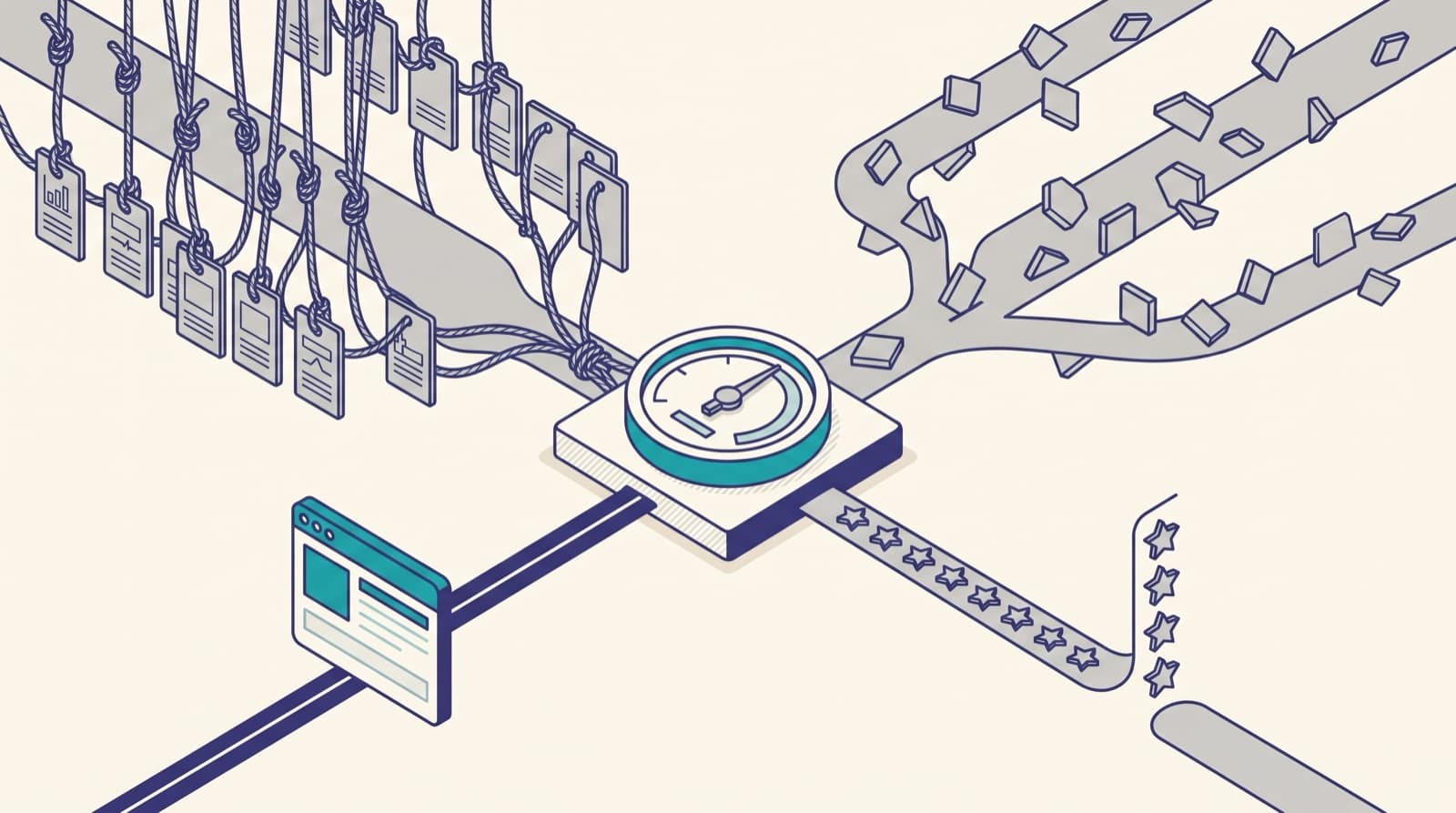
B2B Intent Data Explained — and Where It Breaks
B2B intent data promises to tell you which accounts are researching your category before they ever visit your site. Some of it does. This guide covers the four places intent signals actually come from, what the vendors disclose about their methods, what two European court rulings did to the ad-auction supply, and how to test a provider before you sign.
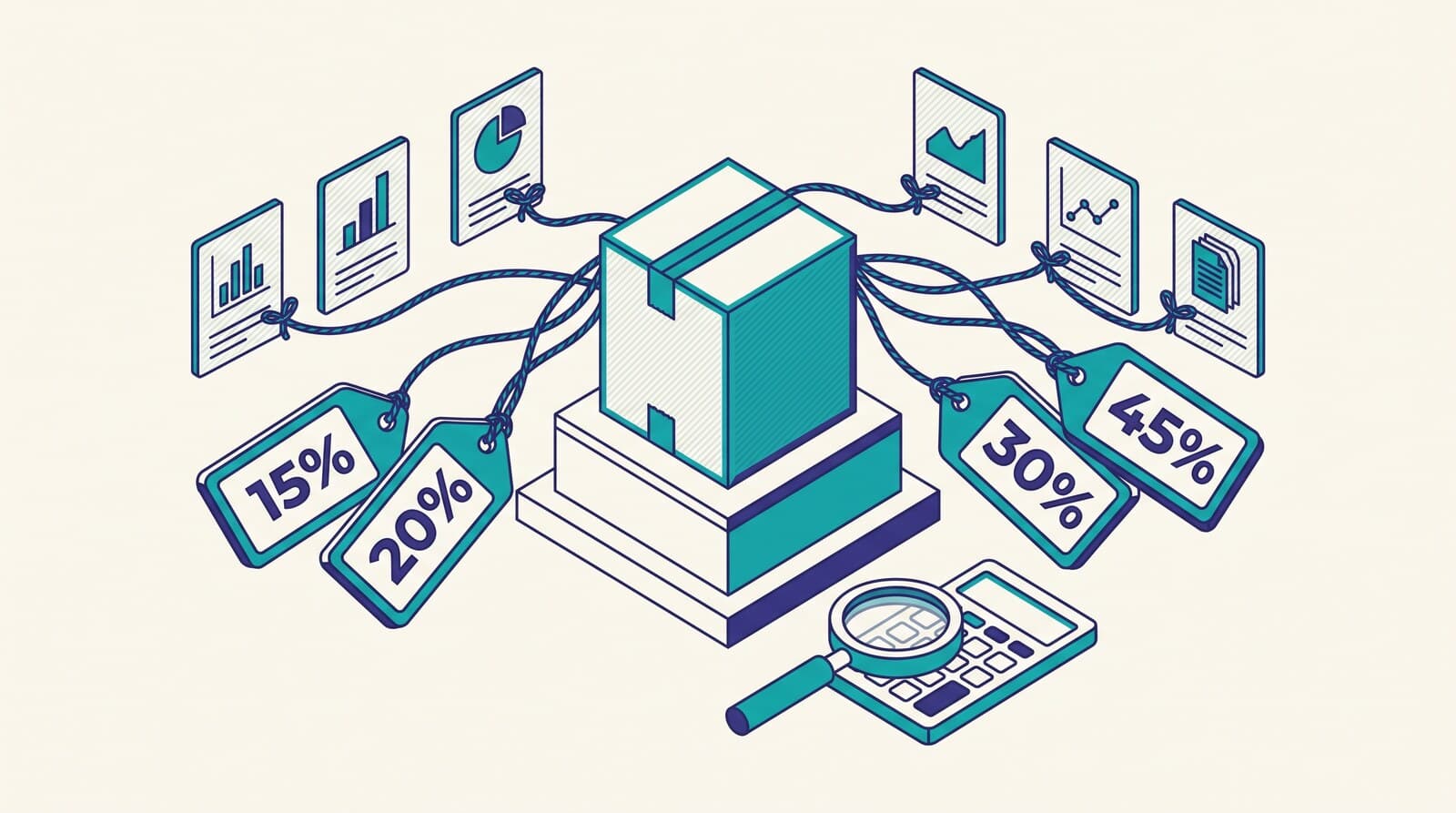
Website Visitor ID Match Rates Decoded: Why 40%+ Person-Level Claims Are Usually Fiction
Every visitor identification vendor publishes a match rate, and almost none of them mean the same thing by it. This guide compares the published claims of 15 B2B vendors side by side, shows how the number is actually calculated, explains why one product is currently advertised at four different rates at once, and gives you a self-audit you can run on your own traffic in an afternoon.

What Is an Identity Graph? How Anonymous Visitors Get Matched to Real People
An identity graph is the database that turns scattered signals like cookies, emails, device IDs and IP addresses into one real person or company. This guide breaks it down node by node: how a graph matches an anonymous visitor to a name, the difference between deterministic and probabilistic matching, why every graph decays over time, and why a B2B graph is a fundamentally harder problem than the consumer graphs that hit 99% match rates.
How to Identify Anonymous Website Visitors: 5 Methods and What Each Actually Delivers
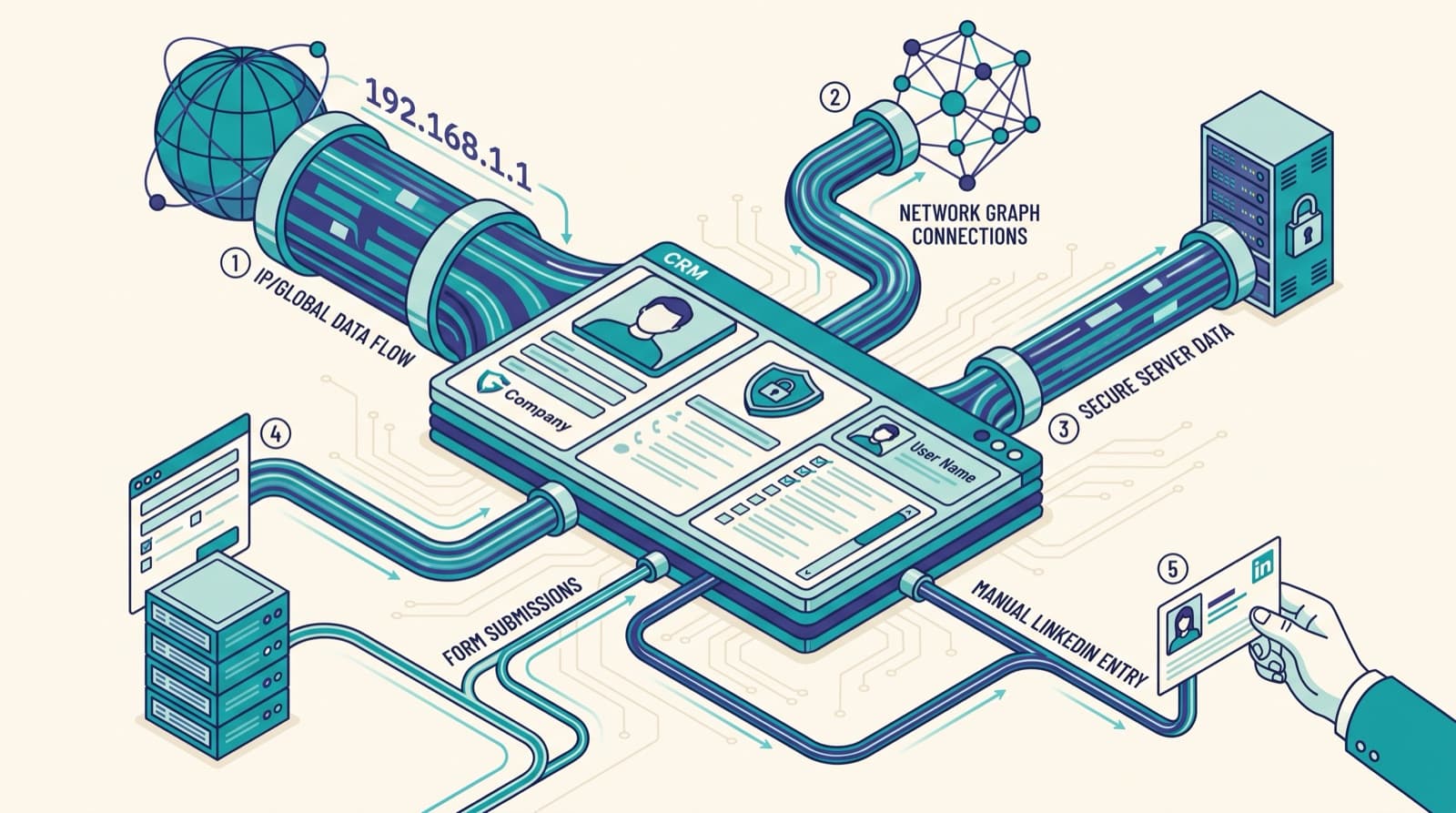
There are five real ways to identify anonymous website visitors, and they deliver wildly different things. This guide walks through each method — reverse-IP company lookup, third-party identity graphs, first-party server-side resolution, form fills with enrichment, and manual LinkedIn matching — with the realistic match rate, cost, and limits of each, so you can pick the one that fits your traffic instead of the one with the loudest pitch.
Anonymous Website Visitor Identification for B2B: The Complete 2026 Guide
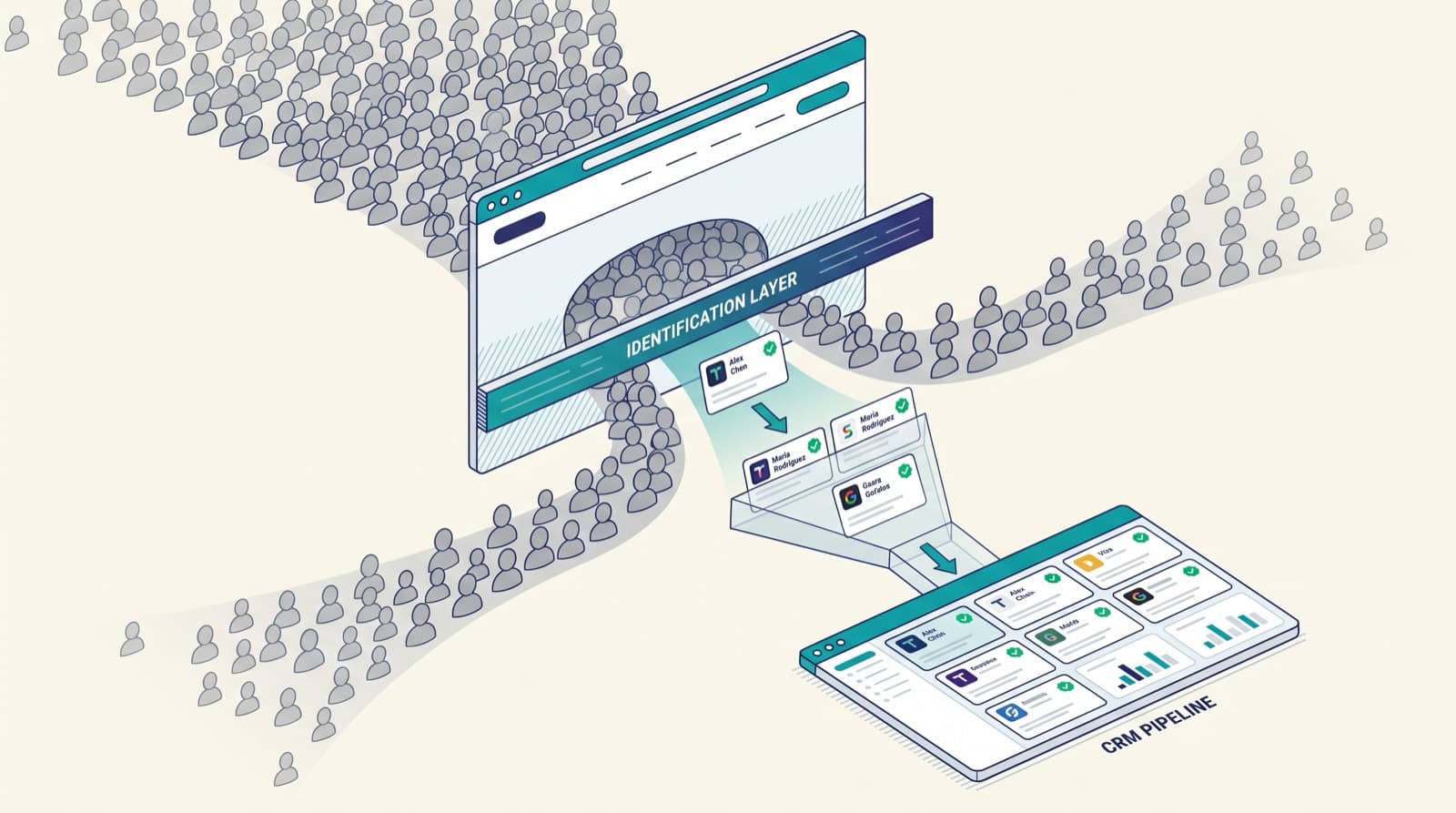
Anonymous website visitor identification turns a fraction of your invisible B2B traffic into named buyers. This complete 2026 guide covers how it works, person-level vs company-level, the match rates few vendors let you verify, how to route identified buyers into your CRM, and when it's legal to email them.

Browse Abandonment Email Examples: 10 Real Emails, Pulled Apart
Ten real browse abandonment emails from Cole Haan, Timex, Nomad, Charlotte Stone, Adidas and five other brands, each pulled apart to show the one job it does and the point where it stops working. Includes the subject line five of these brands are running almost word for word, the 2026 open and conversion rates behind the format, and the arithmetic that decides how many of your browse sessions the flow can reach at all.
What Is an Email Automation Layer? (And Why Ecommerce Brands Are Adding One)
Search "automation layer" and you get generic email-automation definitions, because nobody has defined the category. An email automation layer is a behavior-and-identity layer that sits on top of the ESP or CRM you already use, resolves the anonymous traffic those tools never see into contacts, and runs the behavioral flows across whatever you send with. This is what it is, how it differs from an ESP, a CRM, and a CDP, and why ecommerce brands are adding one.