The Lift
Strategies worth betting your budget on.
Latest articles
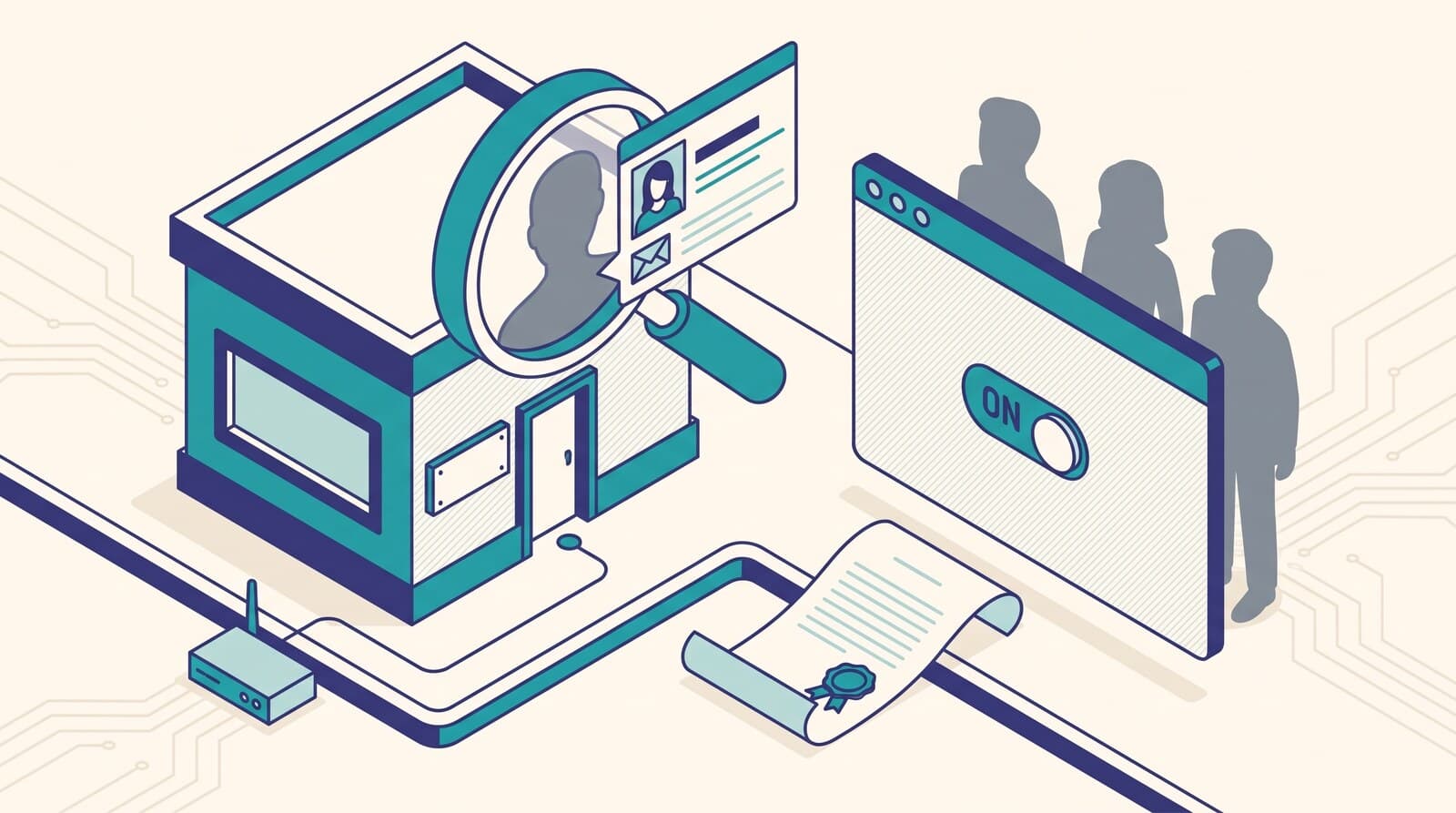
Is an IP Address PII? What US Privacy Law Means for Identifying Website Visitors
California's privacy statute lists an Internet Protocol address by name and treats it as personal information whenever it can reasonably be linked to a consumer or household. This guide walks what an IP address becomes at each step of website visitor identification, when the opt-out signal in the browser has to be honoured, what the California pen-register cases and the Washington wiretap case actually held, and what five identification vendors say they do about all of it.
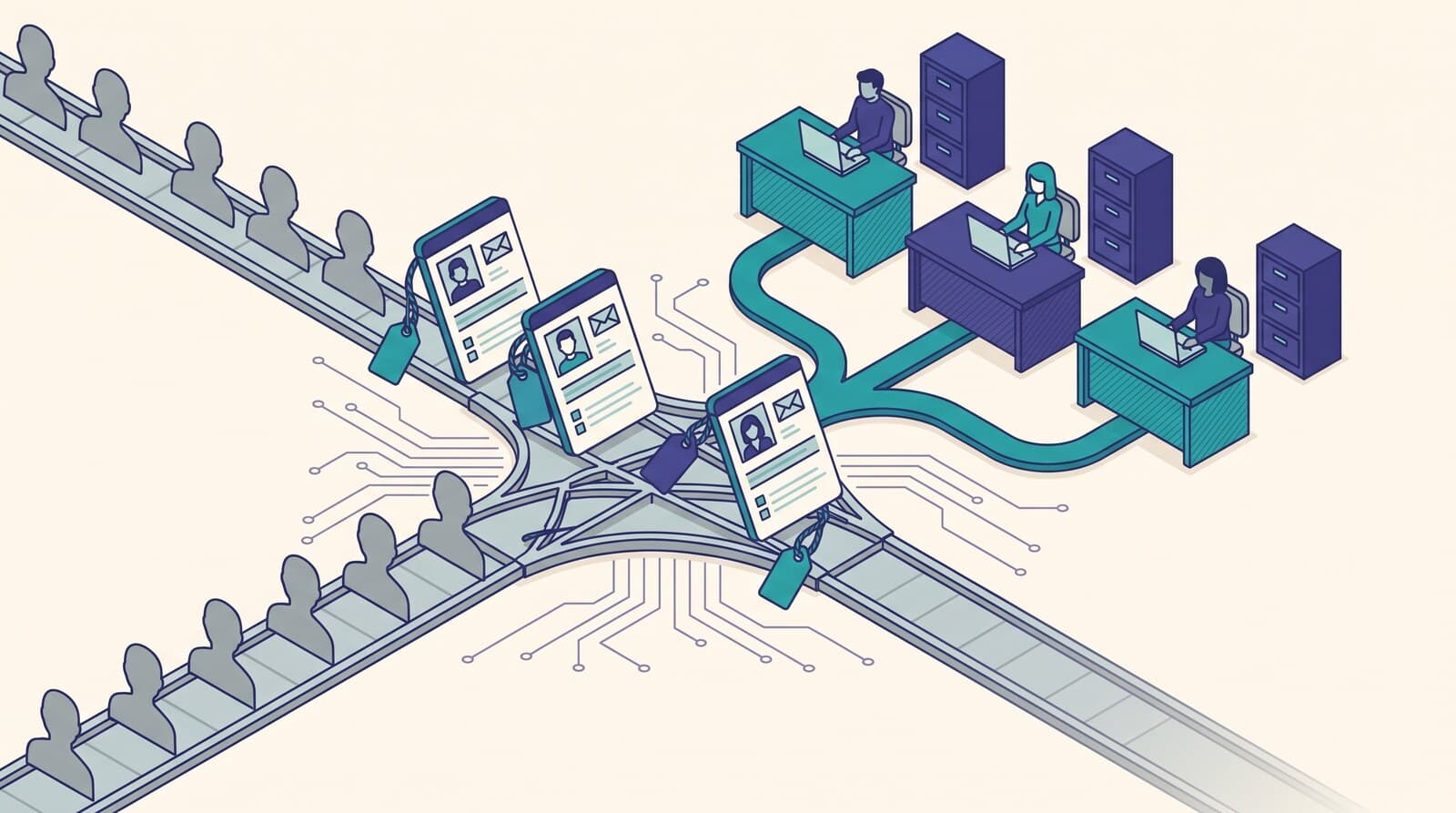
Lead Routing for Identified Website Visitors: From Identified to Pipeline
Identifying a website visitor produces a name, a work email and a page path. What the CRM does with that record in the next sixty seconds decides whether anyone ever acts on it. This guide sets out the five routing decisions in the order they have to run: confidence, buyer-versus-candidate, match before create, owner assignment, and create with the owner already set, with the HubSpot, Salesforce and Bullhorn mechanics for each.
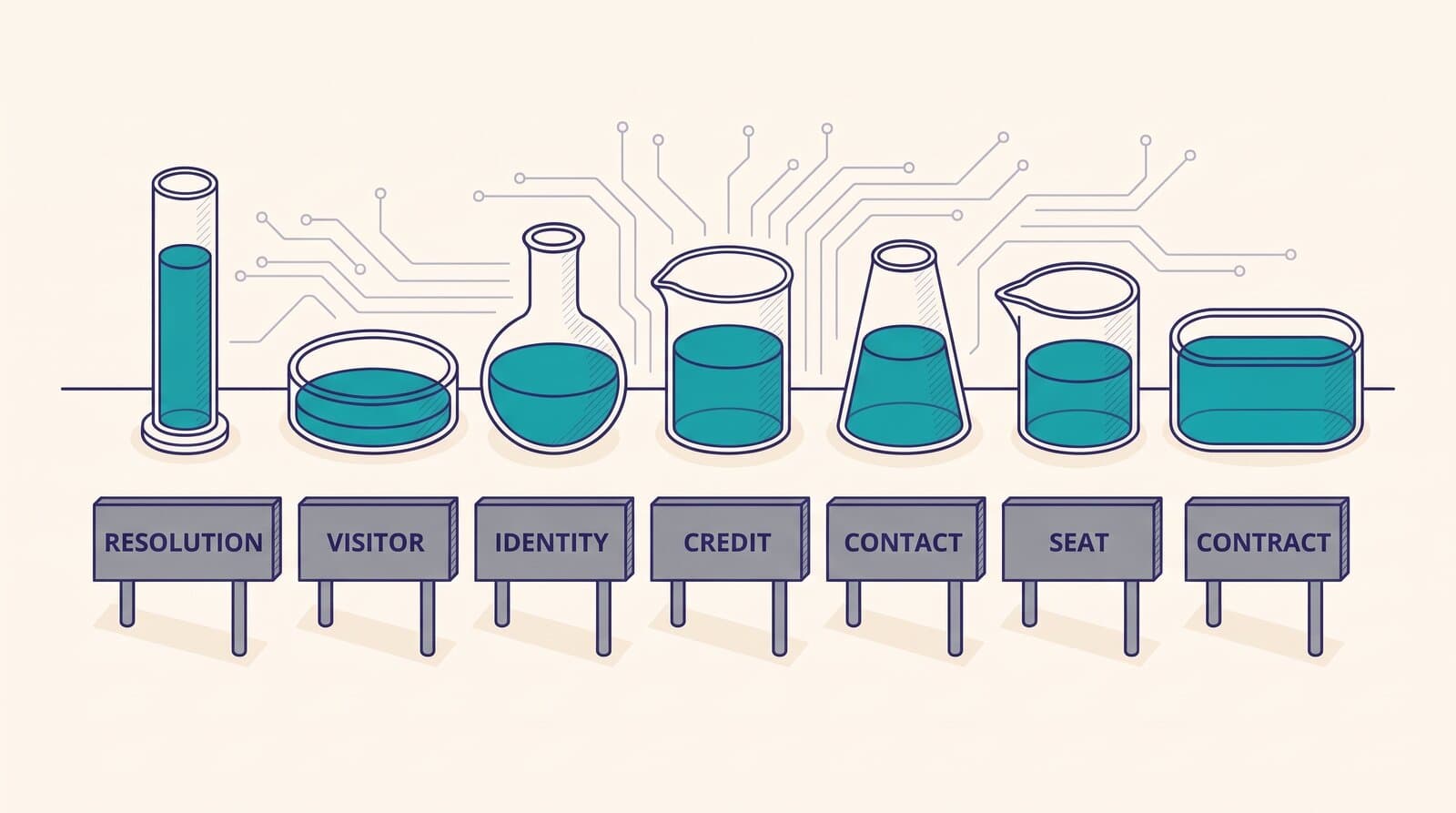
What Website Visitor Identification Costs in 2026
Website visitor identification is sold from $0 a month to $96,000 a year, and the published figure tells you very little on its own. Vendors charge in at least seven different units, so two plans at the same price can buy volumes that differ tenfold. This guide lists every published price as of September 2026, normalises them to cost per identified person, and gives you four questions that make the comparison fair.
Browse all articles
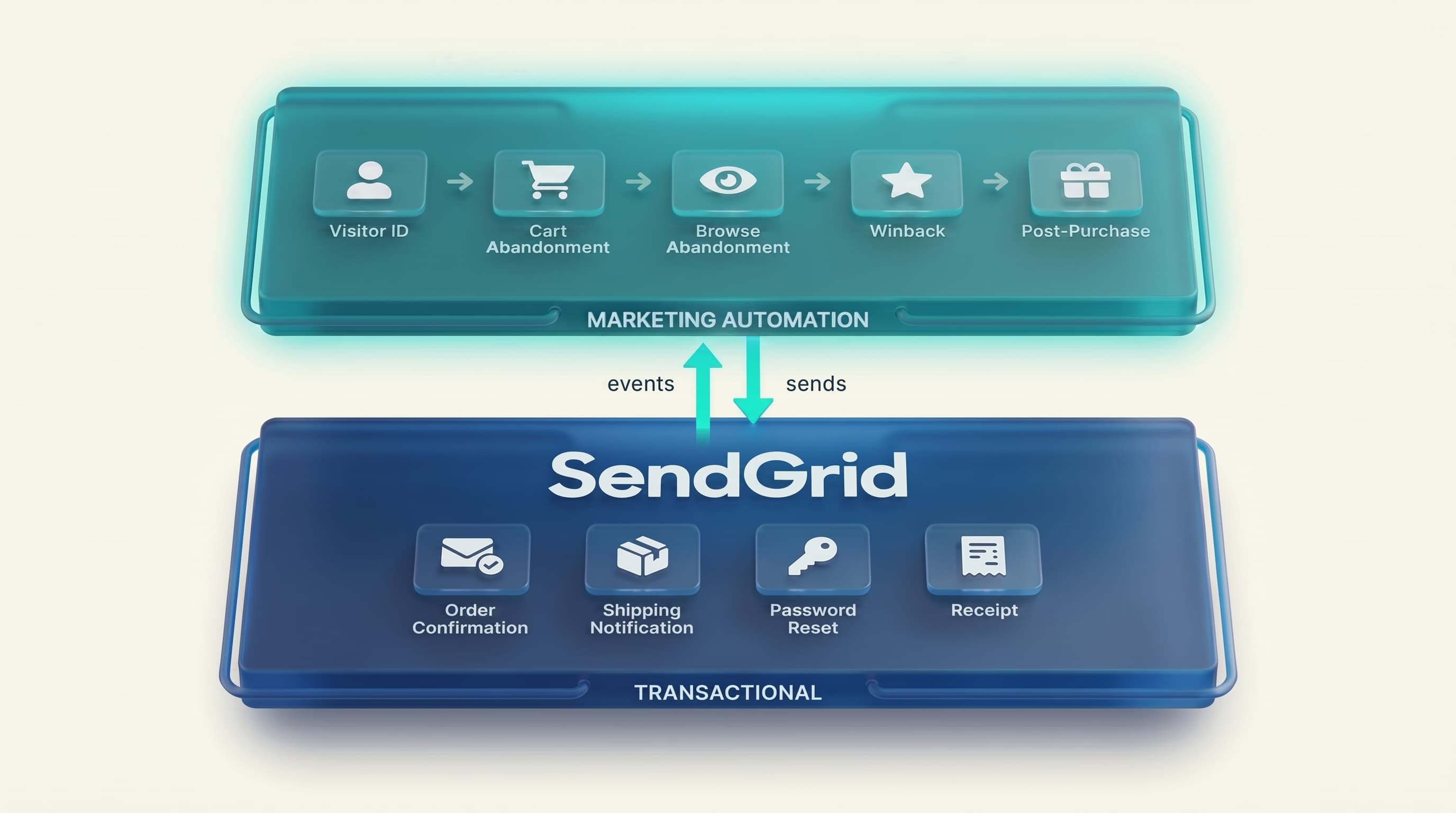
WooCommerce + SendGrid in 2026: From Transactional-Only to Full-Funnel Without Migration
SendGrid retired its free plan in July 2025, and the 8-year-old top Google result for "woocommerce sendgrid" still mentions 12,000 free emails per month. For WooCommerce stores running SendGrid in 2026, here is what changed, why SendGrid is still excellent transactional infrastructure, and how to add a marketing automation layer on top without migrating ESPs.
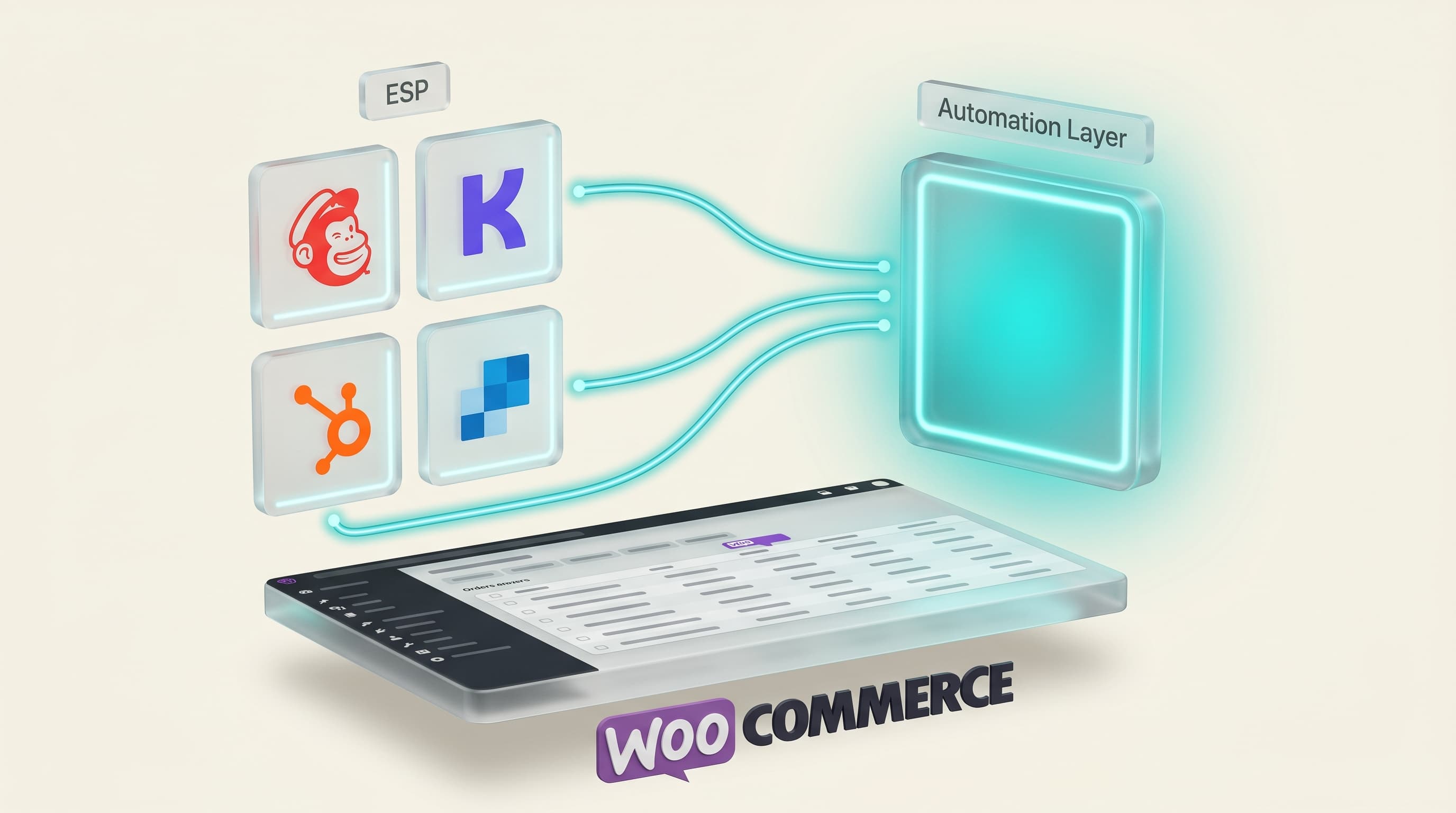
The Modern Ecommerce Email Stack: Why Two Tools Beat One in 2026
The 2026 ecommerce email stack is two tools, not one. An ESP for sends and deliverability, plus an automation layer for identity, cross-channel orchestration, and the cart, browse, and post-purchase flows the ESP cannot see. This guide explains why the all-in-one model is breaking, what each layer does, and how the split-stack architecture maps to WooCommerce specifically.
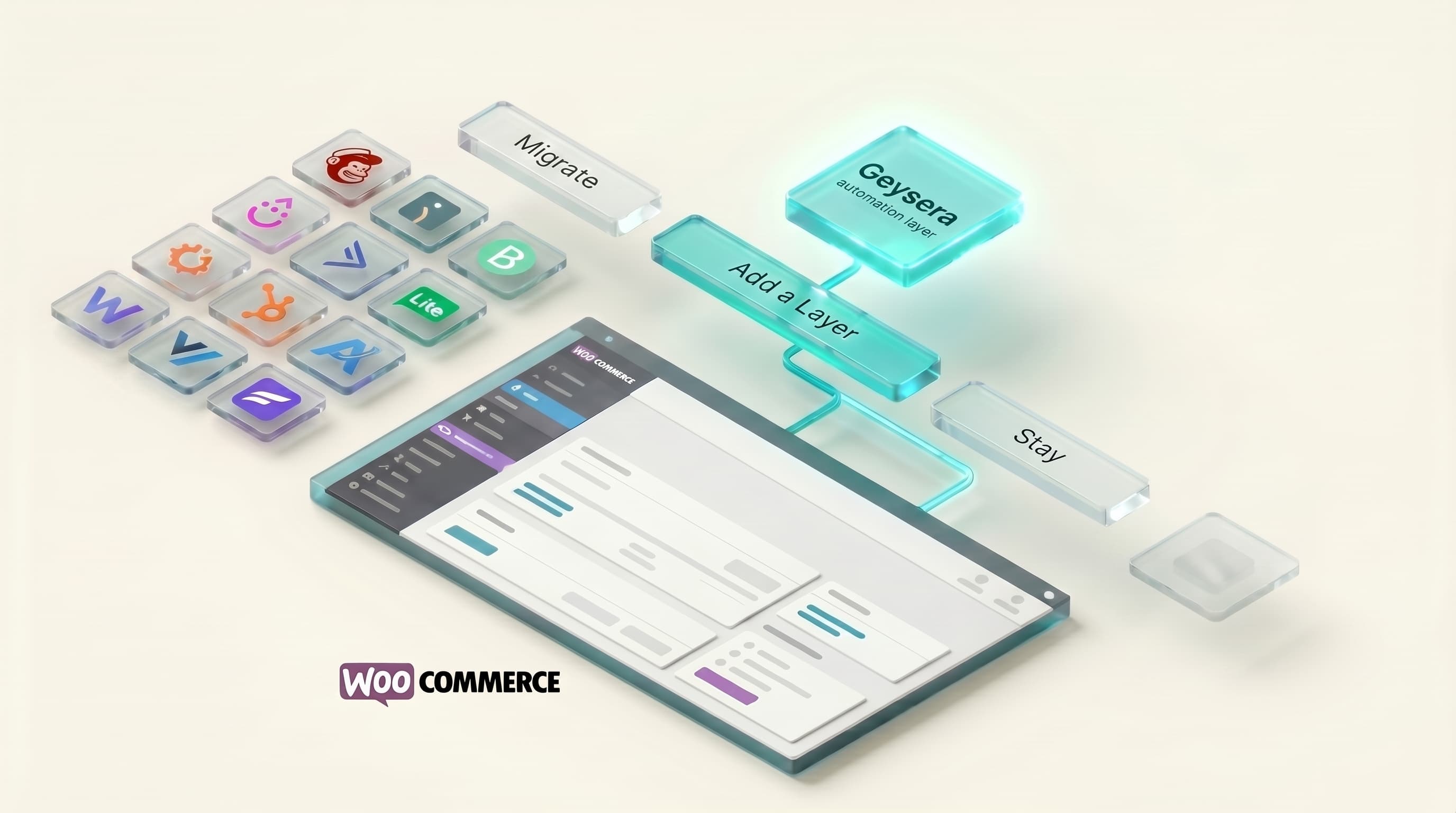
Klaviyo Alternatives in 2026: 10 Options Compared (Plus the Layer-on-Top Option)
The 2026 shortlist of Klaviyo alternatives — Omnisend, Brevo, Drip, ActiveCampaign, Mailchimp, MailerLite, HubSpot, AutomateWoo, FunnelKit, FluentCRM — compared on 2026 pricing, ecommerce integration depth, and migration risk. Plus a third option: keep your existing ESP and add an automation layer on top, with no migration.
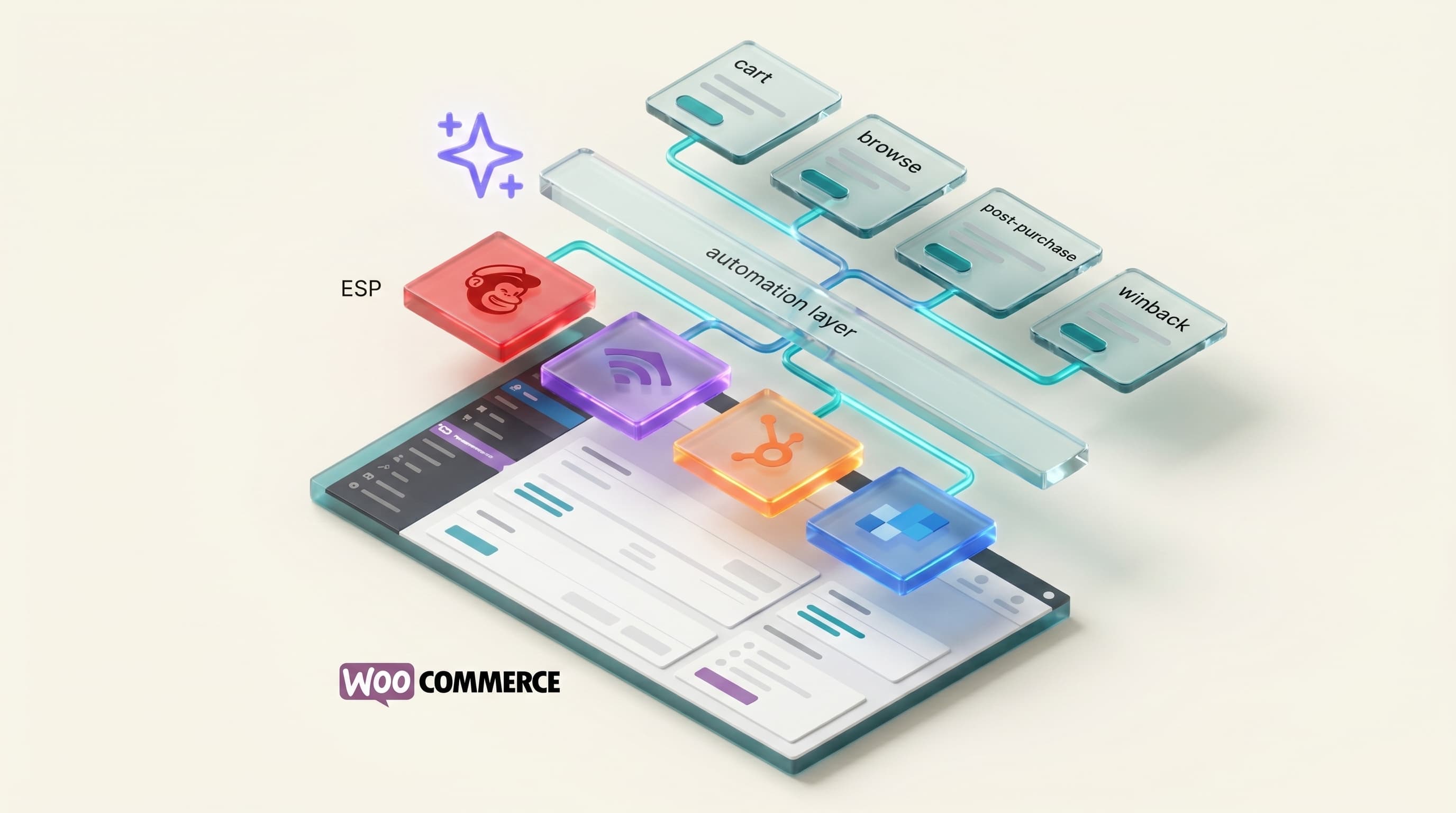
WooCommerce Email Marketing 2026: The Complete Stack
The 2026 WooCommerce email marketing playbook for stores on Mailchimp, Klaviyo, HubSpot, or SendGrid. Real benchmarks, real flows, and the automation-layer model that adds Klaviyo-class cart, browse, and winback automation without switching ESPs. 4.17 million WC stores leak 60-80% of recoverable email revenue because their ESP fires the wrong email at the wrong moment.
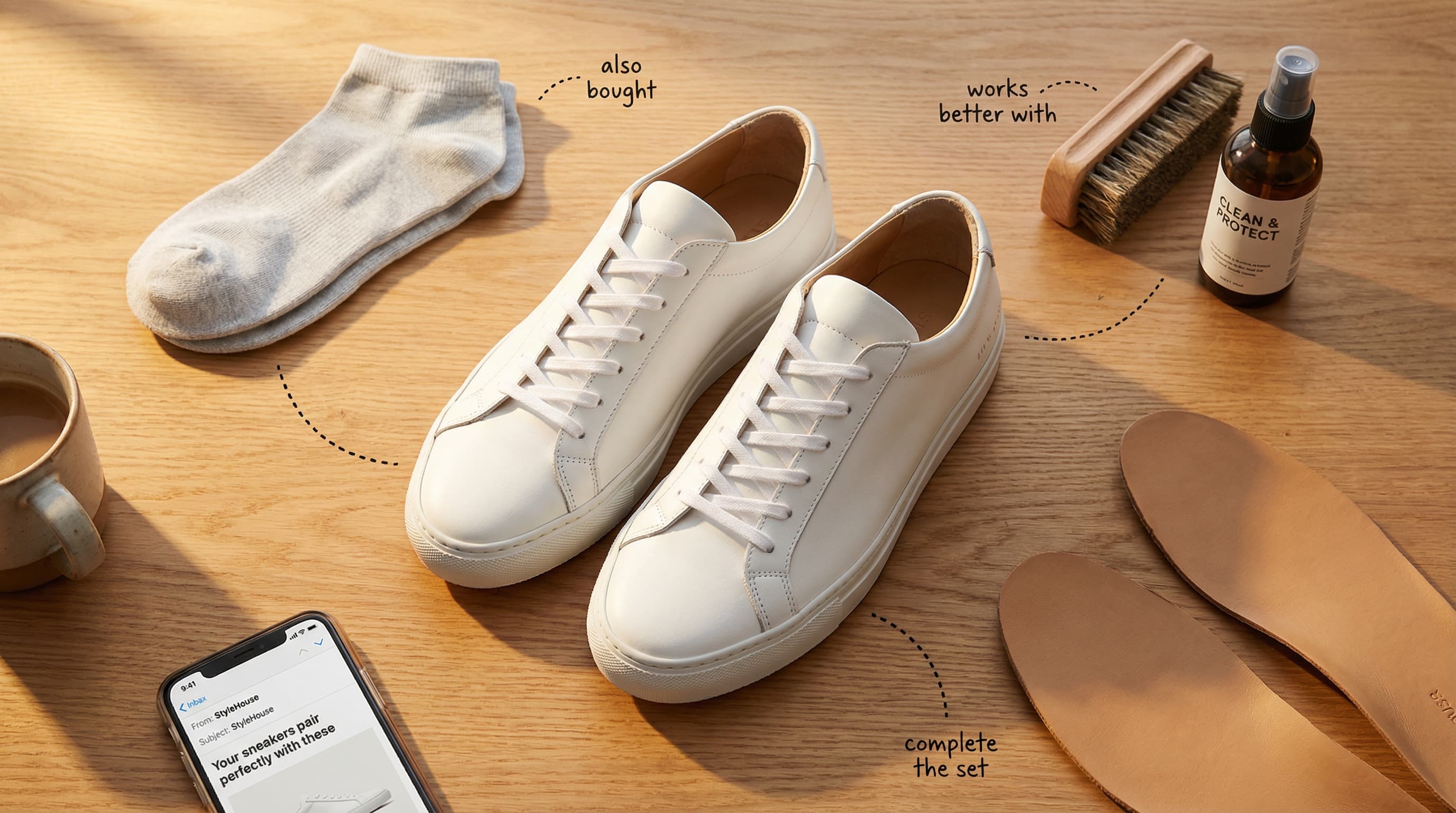
Cross-Sell & Upsell Emails: How to Increase AOV After the First Purchase
Cross-sell and upsell emails are the most direct way to increase AOV after a first purchase.
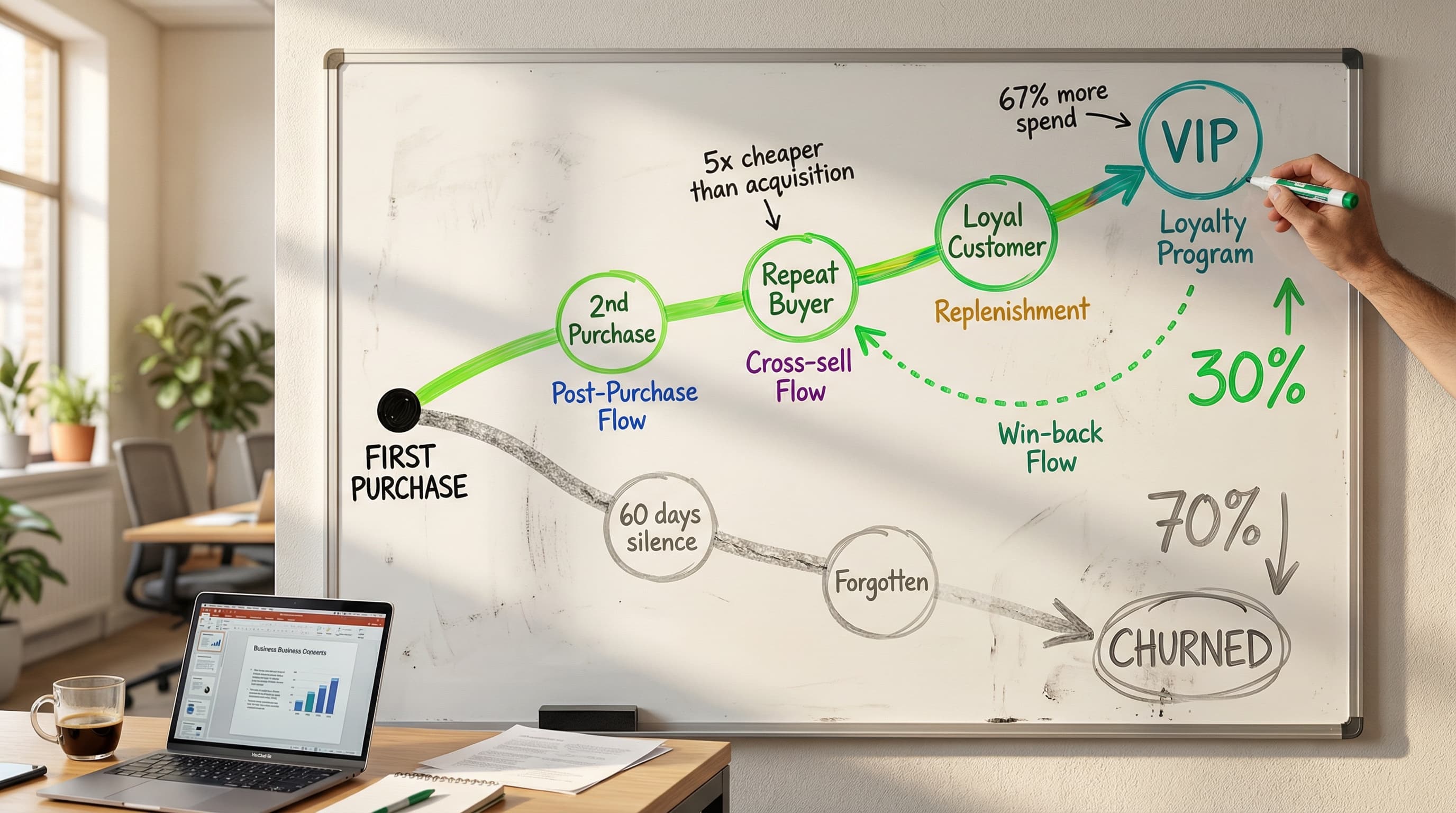
Ecommerce Customer Retention: How Email Drives Repeat Revenue
The average ecommerce store loses 70% of customers after their first purchase. Email is the most effective retention channel.
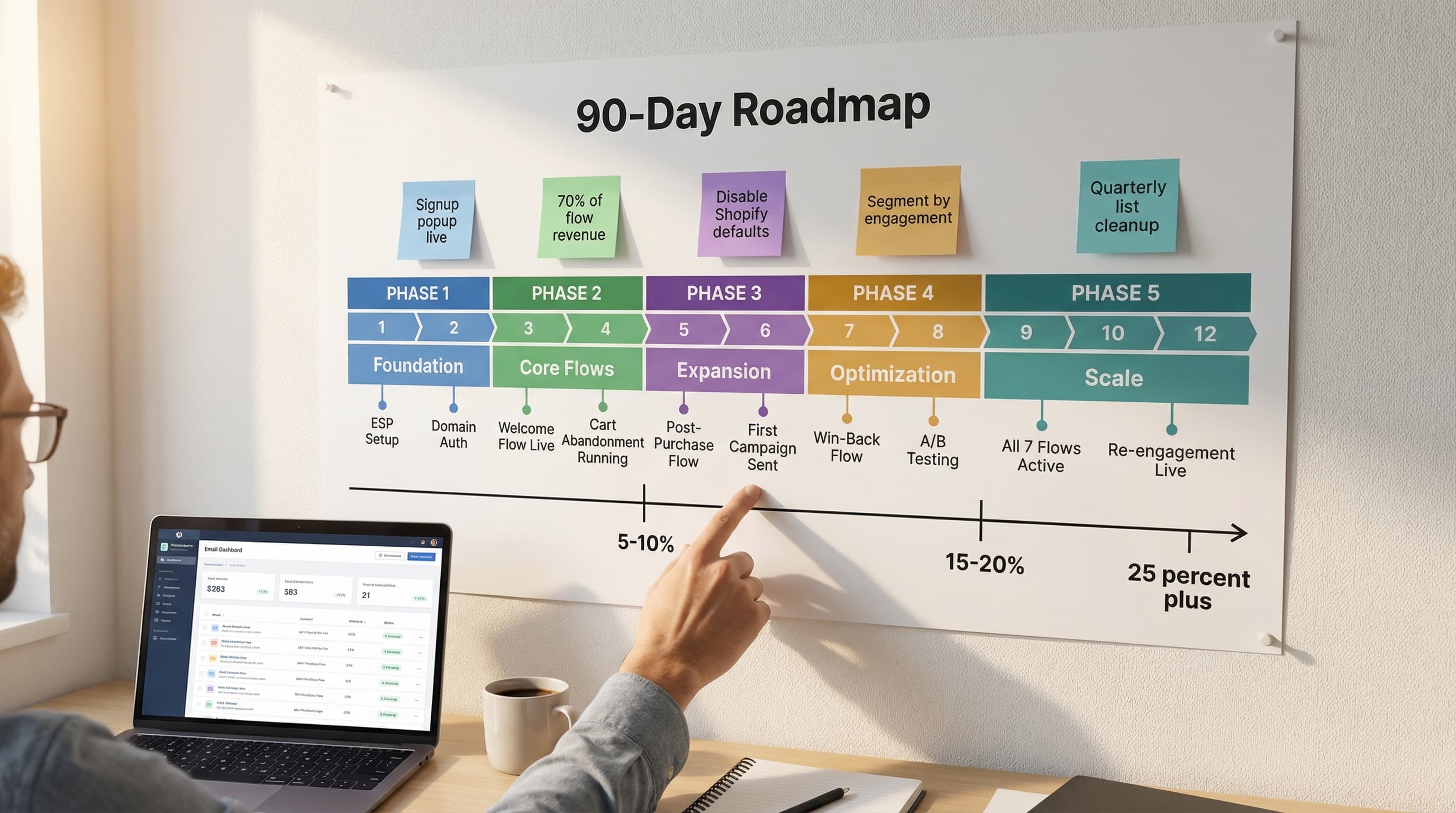
Ecommerce Email Marketing Strategy: From Zero to Revenue in 90 Days
Most ecommerce email strategies fail because they start with campaigns instead of flows.
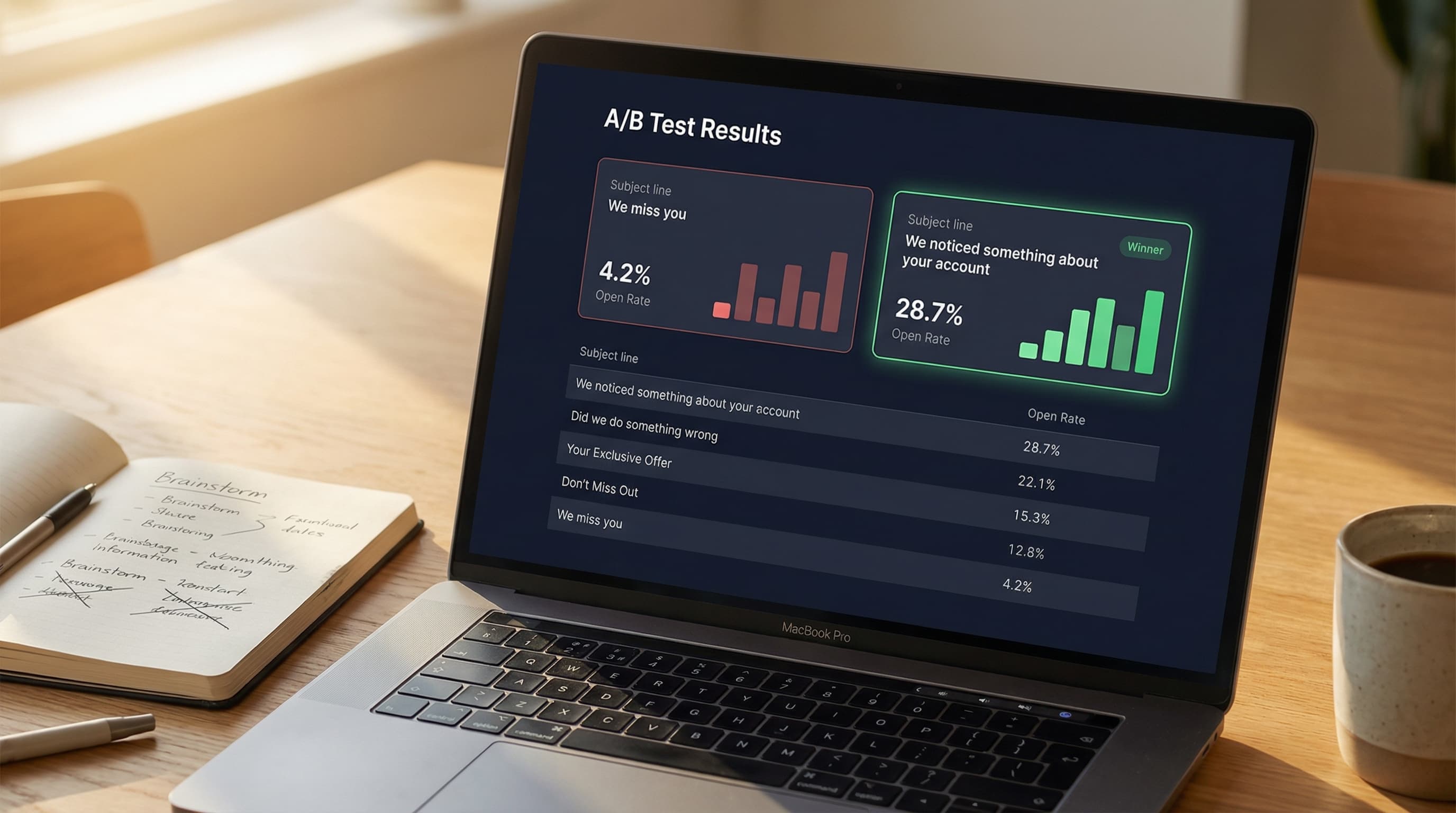
Re-Engagement Email Subject Lines & Examples That Win Opens (2026)
50+ re-engagement subject lines sorted by strategy, 8 real-world email examples with teardowns.

Re-Engagement Email: The Complete Guide to Saving Your Dead Subscribers
A 100K list with 20% dead weight performs worse than an 80K engaged list.

Website Visitor Identification for Ecommerce: How Identity Graphs and Server-Side Tracking Actually Work (2026)
97% of your visitors leave without buying — and the industry built to identify them is split into two camps. One buys email addresses from third-party data brokers with spam rates 50–125x the ecommerce average. The other recognizes your own customers when they return, using server-side tracking your ESP can't do alone. This guide breaks down identity graphs, confidence scoring, data decay, and the match-rate math most vendors hope you never run.
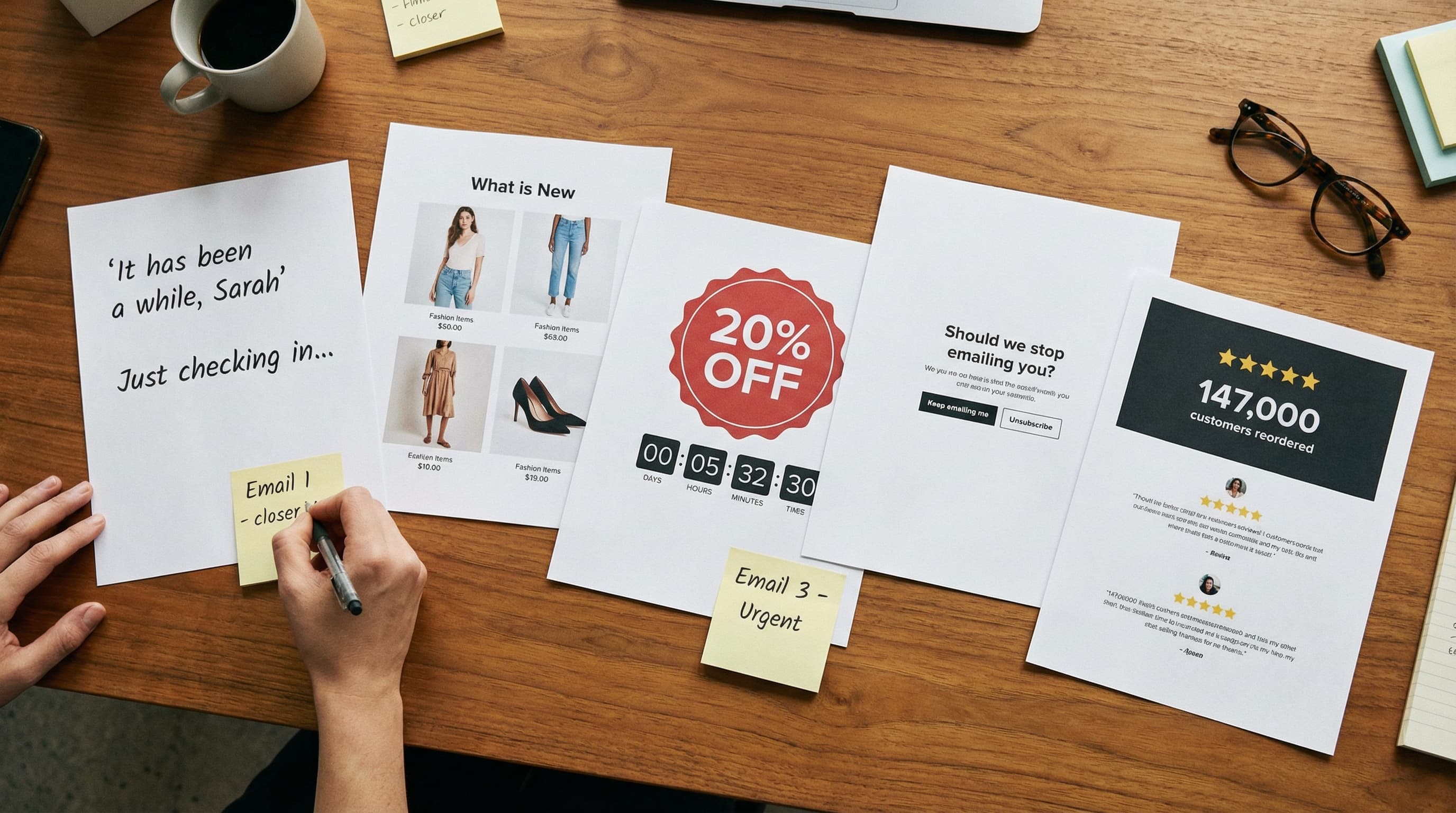
Win-Back Email Examples & Templates That Actually Work (2026)
10 real win-back email breakdowns from DTC brands, a 4-email template sequence, 30+ subject lines, and design tips.
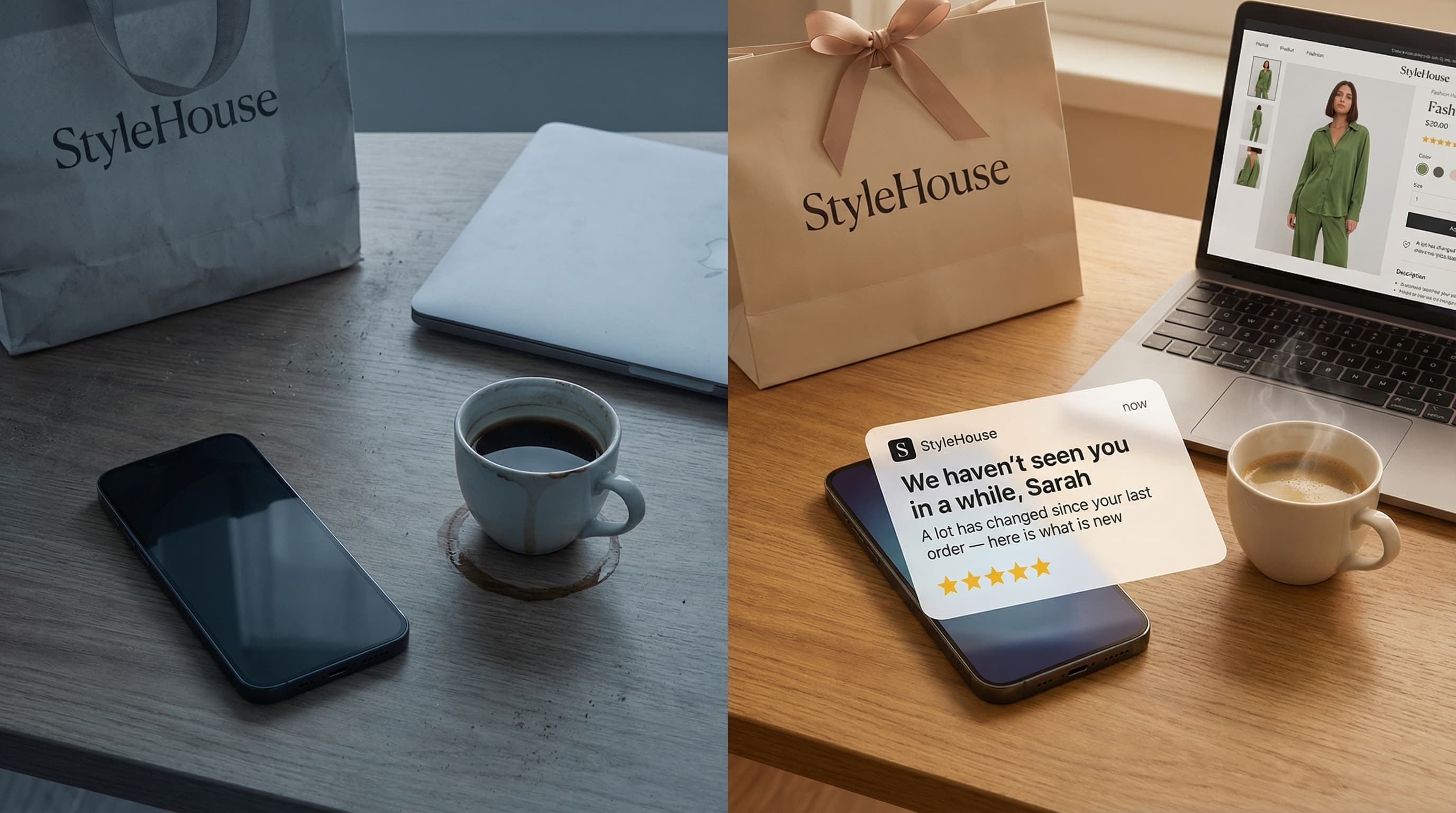
Win-Back Email: How to Re-Activate Lapsed Ecommerce Customers
70-80% of first-time buyers disappear after one purchase. A win-back flow catches them before they are gone.