
Bob Thordarson
Co-Founder and CEO
Bob Thordarson is CEO and Co-Founder of Geysera, a serial entrepreneur with 25+ years and five co-founded ventures, including Cequint (acquired by TNS in 2010 for $112.5M) and Consumerware (acquired by ParkerVision). A graduate of the University of Washington and MIT Entrepreneurial Masters Program, based in Seattle, he serves on the boards of DRY Soda Co. and the Entrepreneurs' Organization Seattle chapter. He is an expert in retention marketing email systems and methodology for ecommerce and B2B brands — measured by incremental revenue, not vanity metrics.
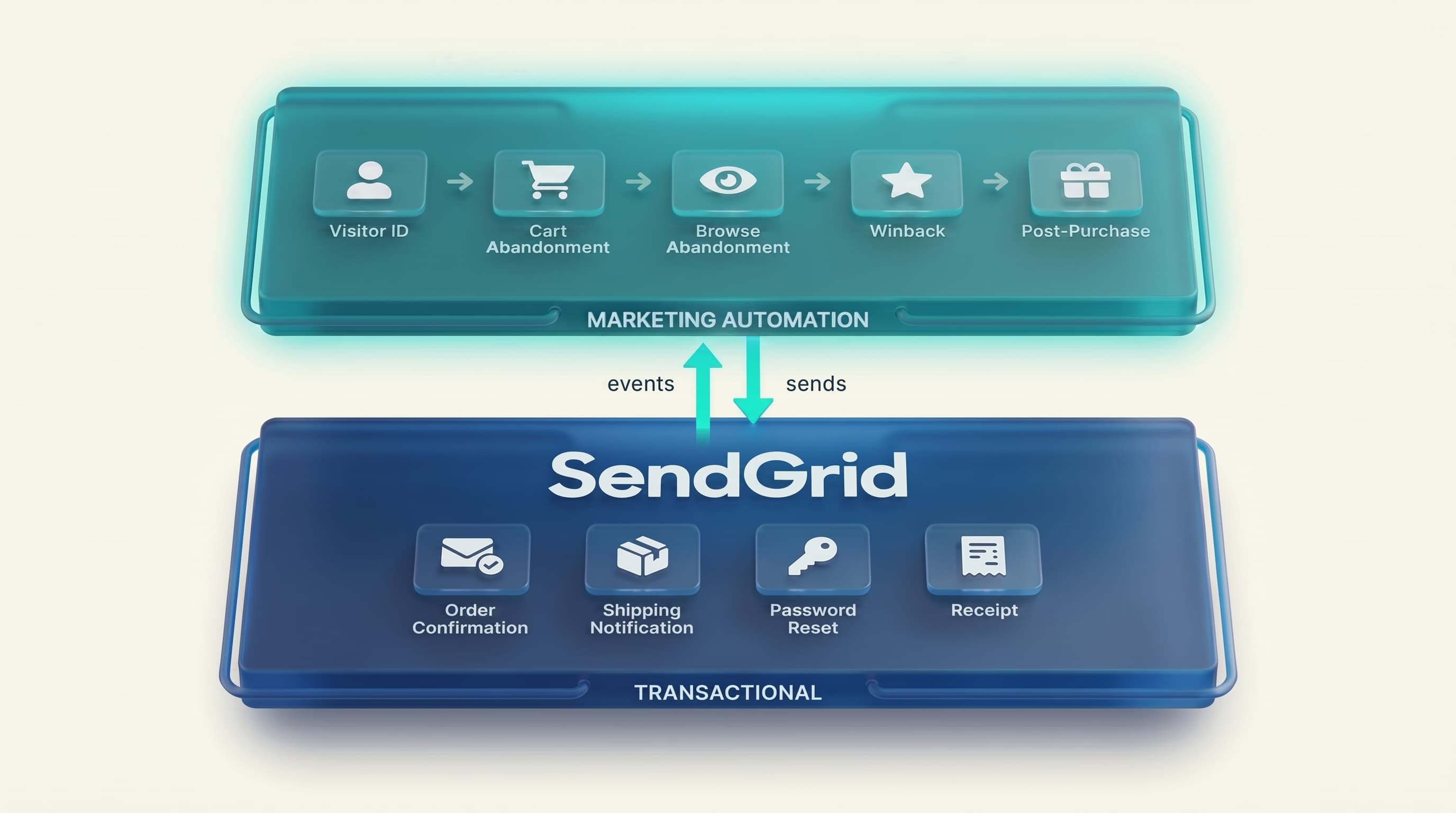
WooCommerce + SendGrid in 2026: From Transactional-Only to Full-Funnel Without Migration
SendGrid retired its free plan in July 2025, and the 8-year-old top Google result for "woocommerce sendgrid" still mentions 12,000 free emails per month. For WooCommerce stores running SendGrid in 2026, here is what changed, why SendGrid is still excellent transactional infrastructure, and how to add a marketing automation layer on top without migrating ESPs.
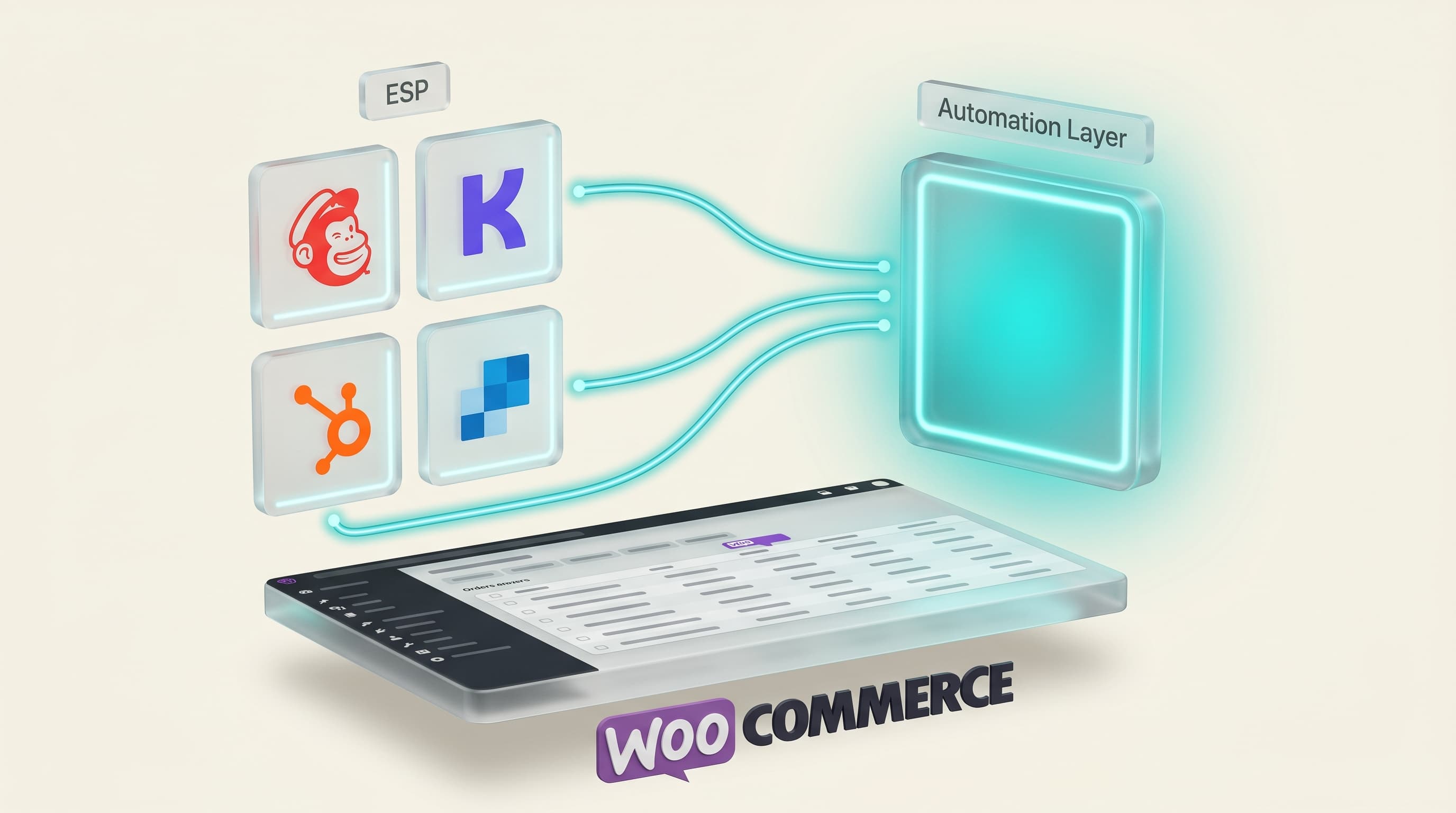
The Modern Ecommerce Email Stack: Why Two Tools Beat One in 2026
The 2026 ecommerce email stack is two tools, not one. An ESP for sends and deliverability, plus an automation layer for identity, cross-channel orchestration, and the cart, browse, and post-purchase flows the ESP cannot see. This guide explains why the all-in-one model is breaking, what each layer does, and how the split-stack architecture maps to WooCommerce specifically.
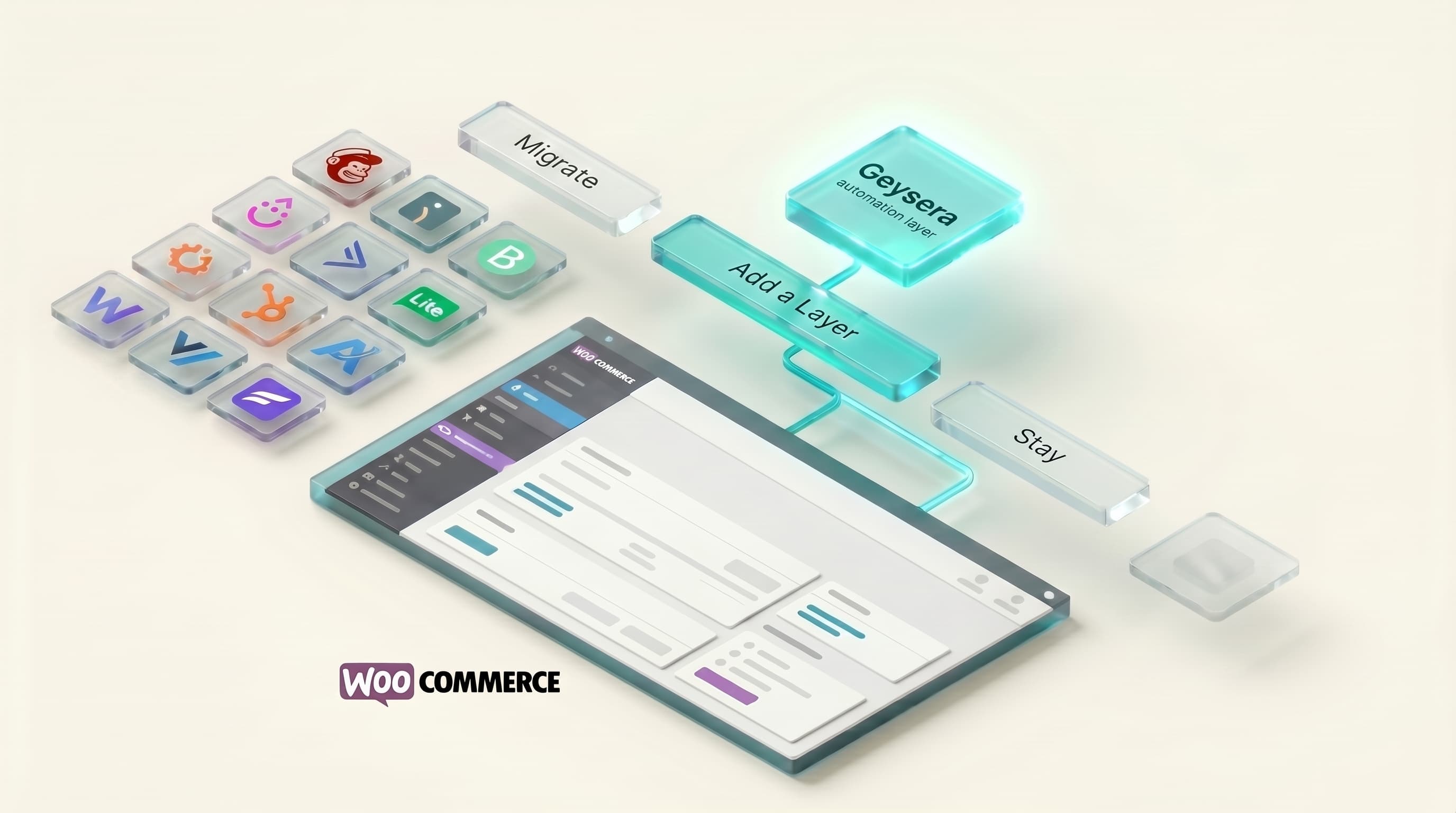
Klaviyo Alternatives in 2026: 10 Options Compared (Plus the Layer-on-Top Option)
The 2026 shortlist of Klaviyo alternatives — Omnisend, Brevo, Drip, ActiveCampaign, Mailchimp, MailerLite, HubSpot, AutomateWoo, FunnelKit, FluentCRM — compared on 2026 pricing, ecommerce integration depth, and migration risk. Plus a third option: keep your existing ESP and add an automation layer on top, with no migration.
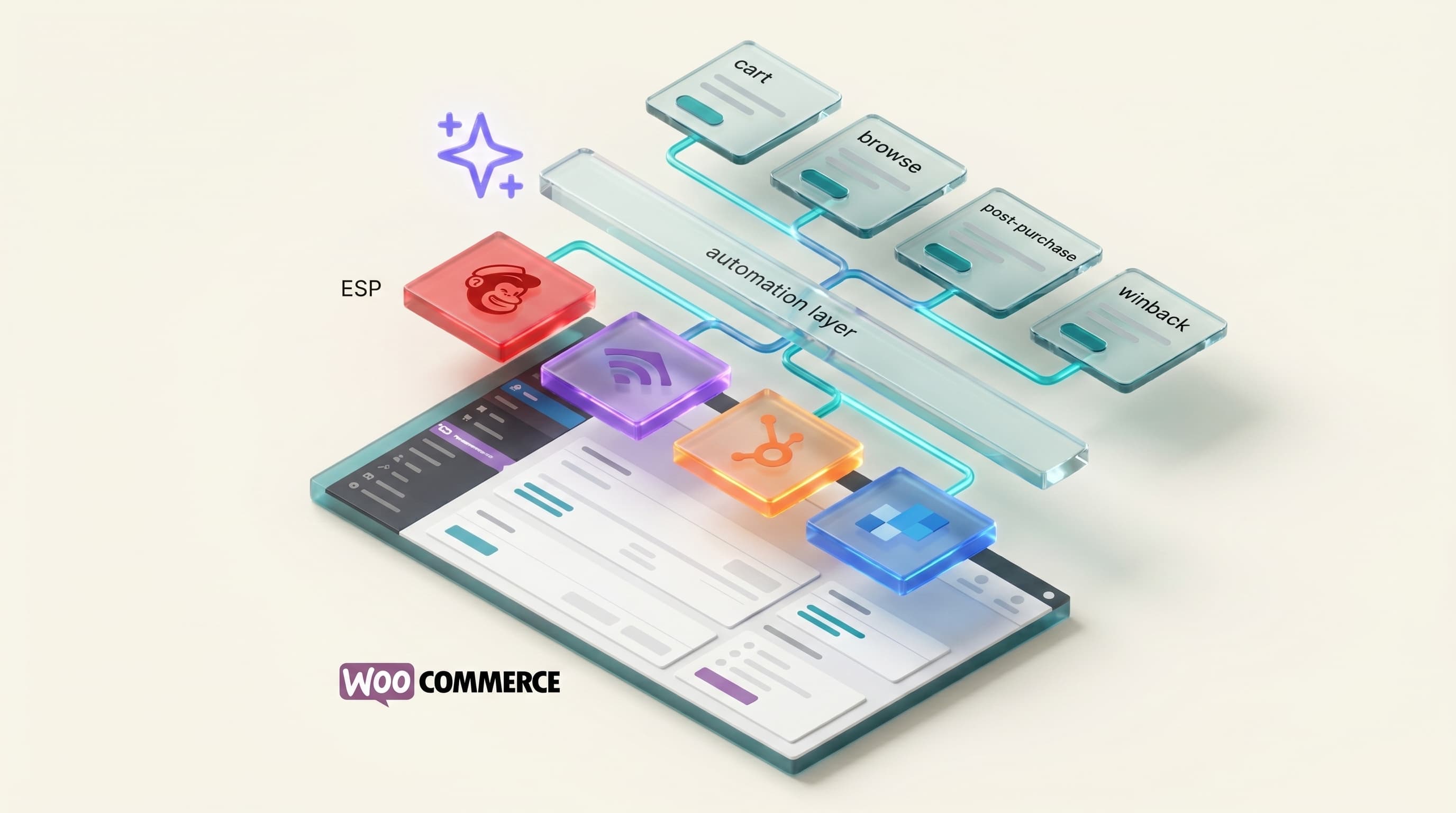
WooCommerce Email Marketing 2026: The Complete Stack
The 2026 WooCommerce email marketing playbook for stores on Mailchimp, Klaviyo, HubSpot, or SendGrid. Real benchmarks, real flows, and the automation-layer model that adds Klaviyo-class cart, browse, and winback automation without switching ESPs. 4.17 million WC stores leak 60-80% of recoverable email revenue because their ESP fires the wrong email at the wrong moment.
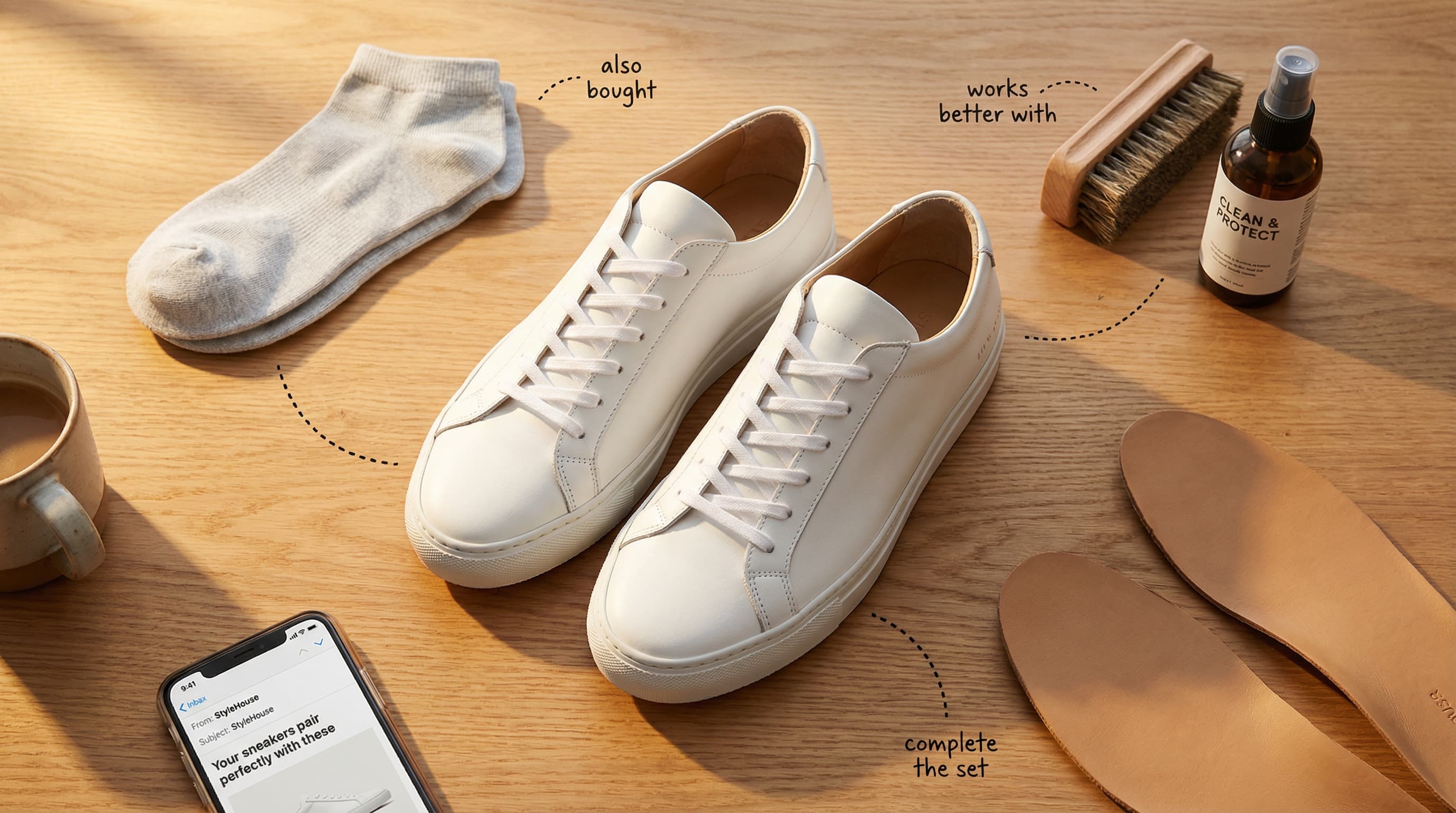
Cross-Sell & Upsell Emails: How to Increase AOV After the First Purchase
Cross-sell and upsell emails are the most direct way to increase AOV after a first purchase.
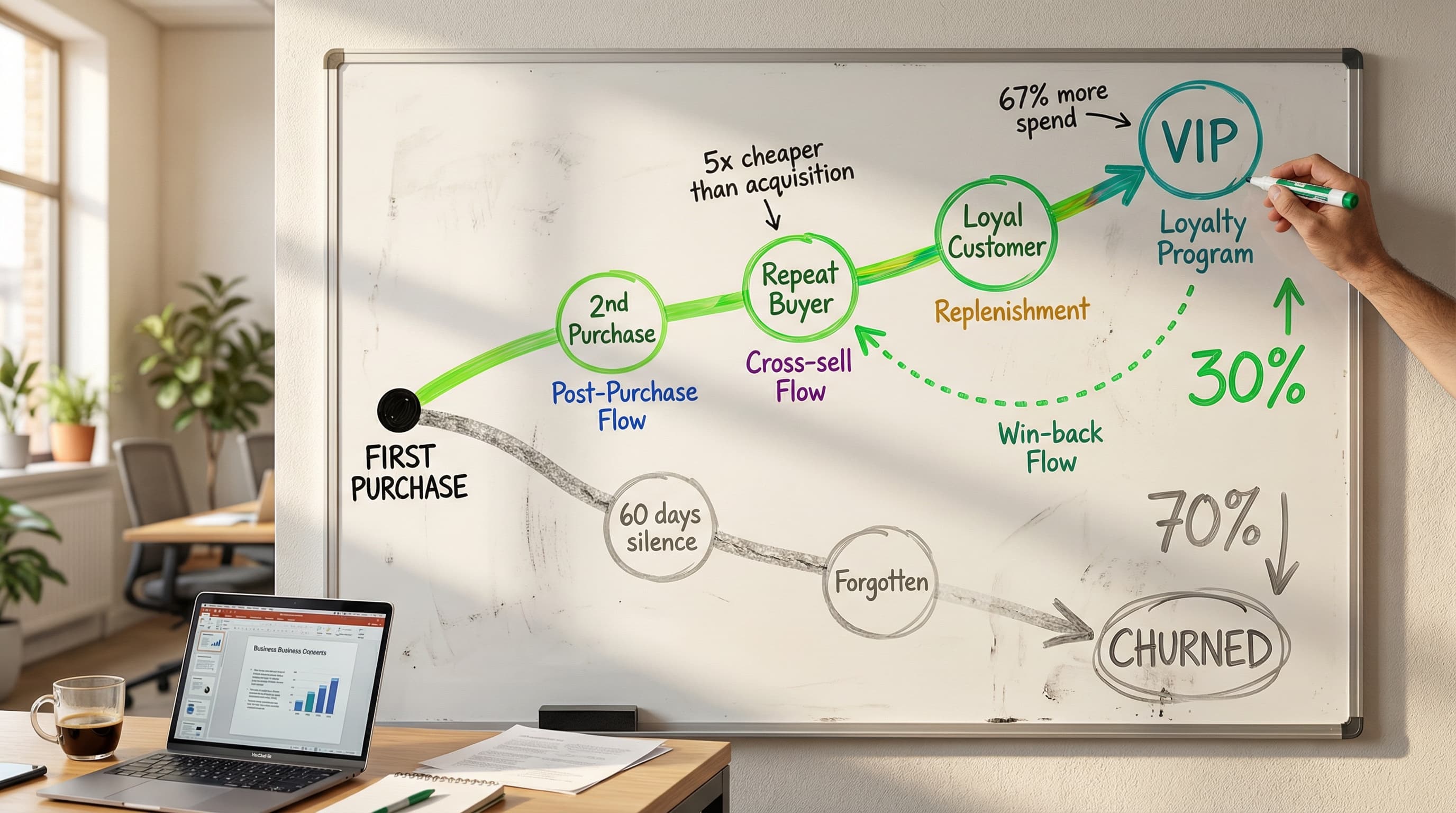
Ecommerce Customer Retention: How Email Drives Repeat Revenue
The average ecommerce store loses 70% of customers after their first purchase. Email is the most effective retention channel.
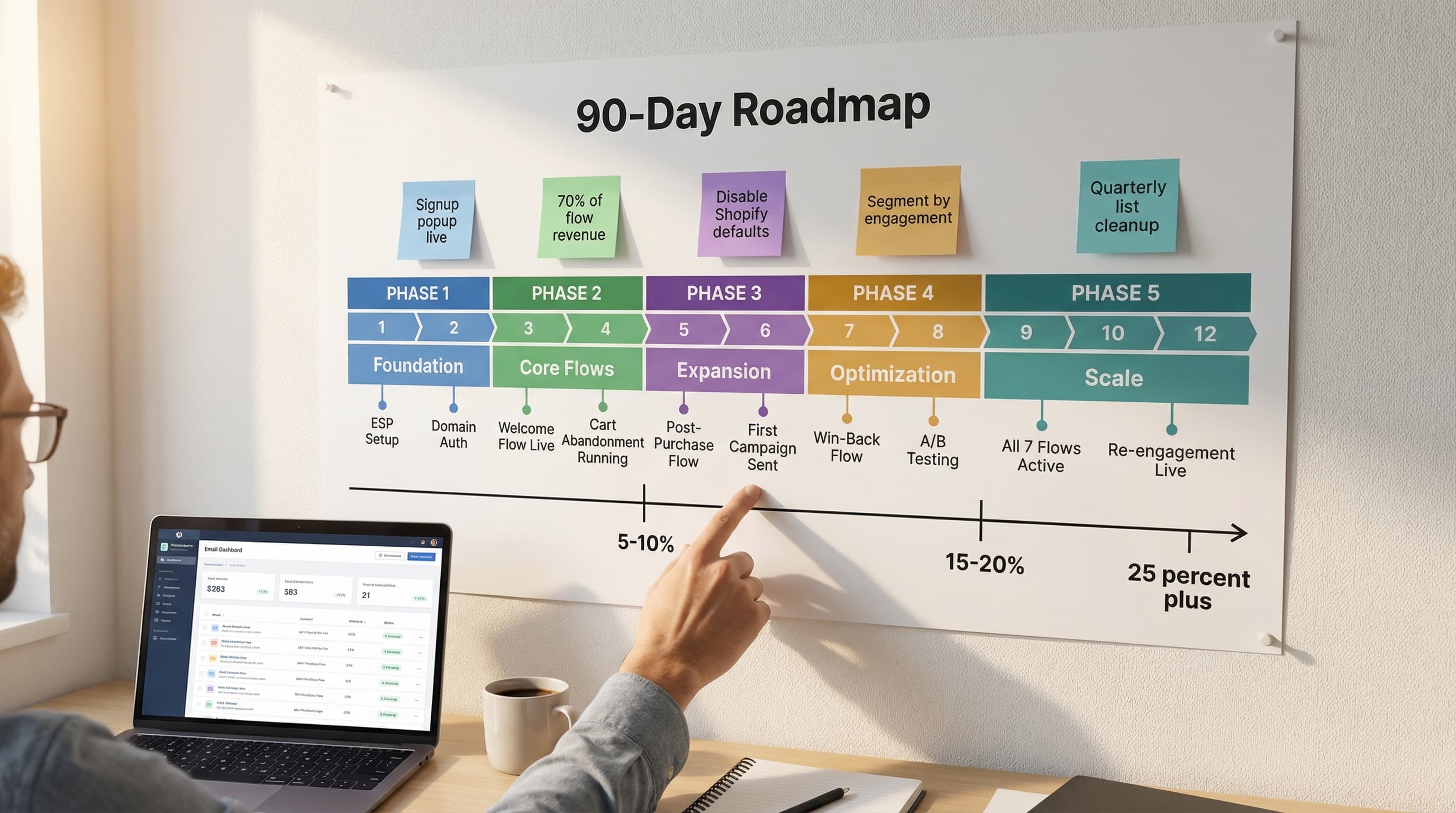
Ecommerce Email Marketing Strategy: From Zero to Revenue in 90 Days
Most ecommerce email strategies fail because they start with campaigns instead of flows.
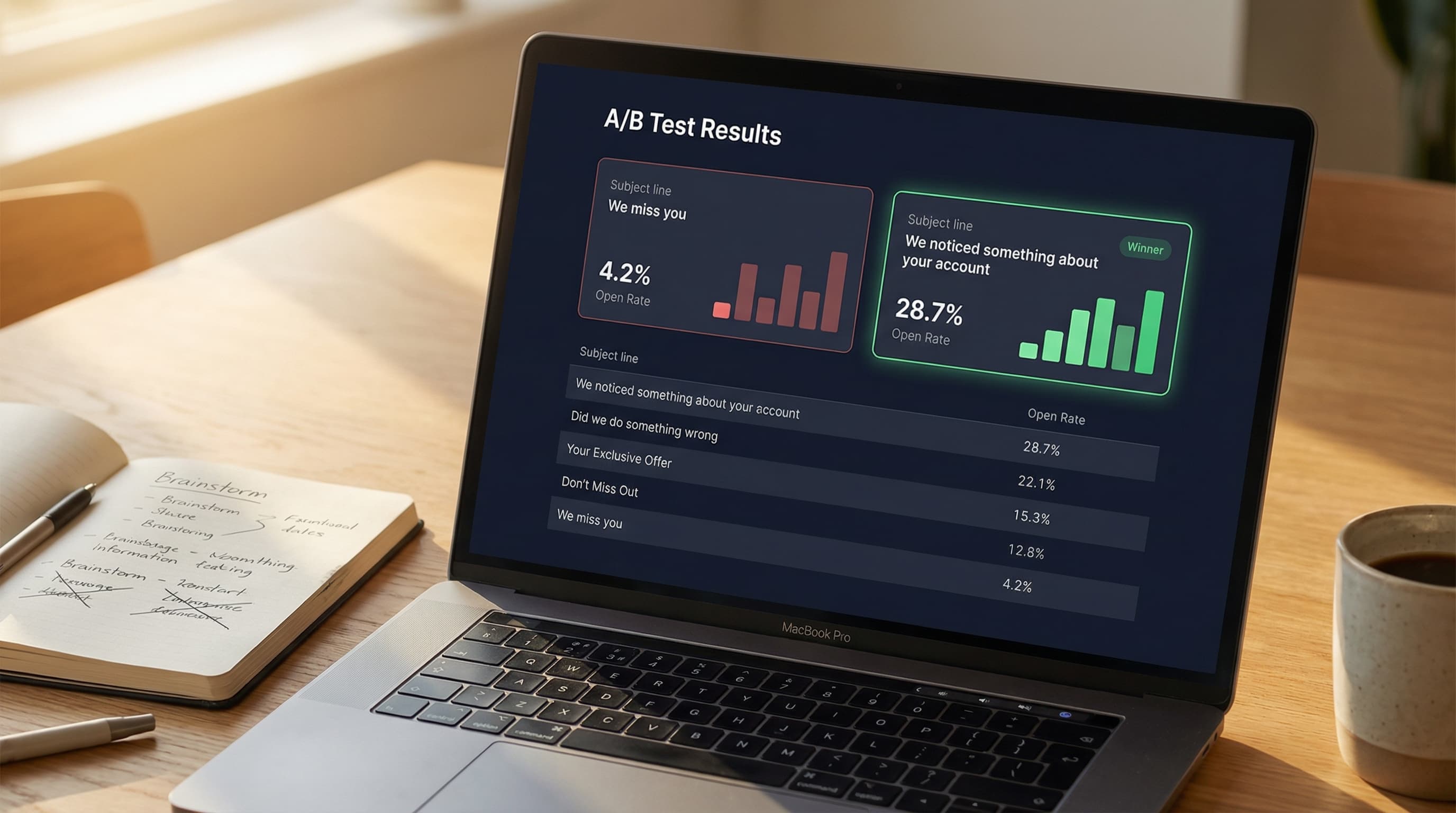
Re-Engagement Email Subject Lines & Examples That Win Opens (2026)
50+ re-engagement subject lines sorted by strategy, 8 real-world email examples with teardowns.
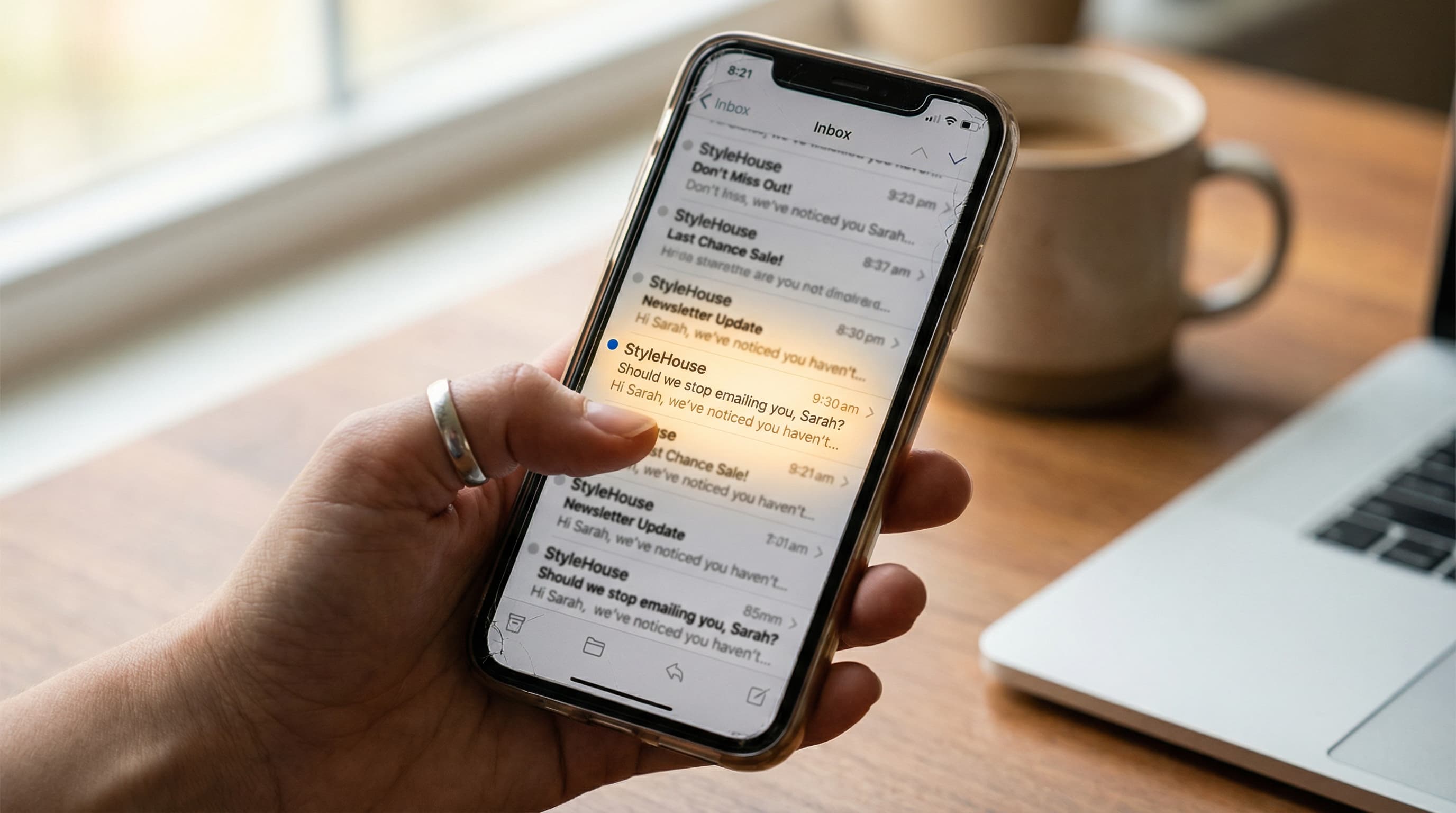
Re-Engagement Email: The Complete Guide to Saving Your Dead Subscribers
A 100K list with 20% dead weight performs worse than an 80K engaged list.

Website Visitor Identification for Ecommerce: How Identity Graphs and Server-Side Tracking Actually Work (2026)
97% of your visitors leave without buying — and the industry built to identify them is split into two camps. One buys email addresses from third-party data brokers with spam rates 50–125x the ecommerce average. The other recognizes your own customers when they return, using server-side tracking your ESP can't do alone. This guide breaks down identity graphs, confidence scoring, data decay, and the match-rate math most vendors hope you never run.
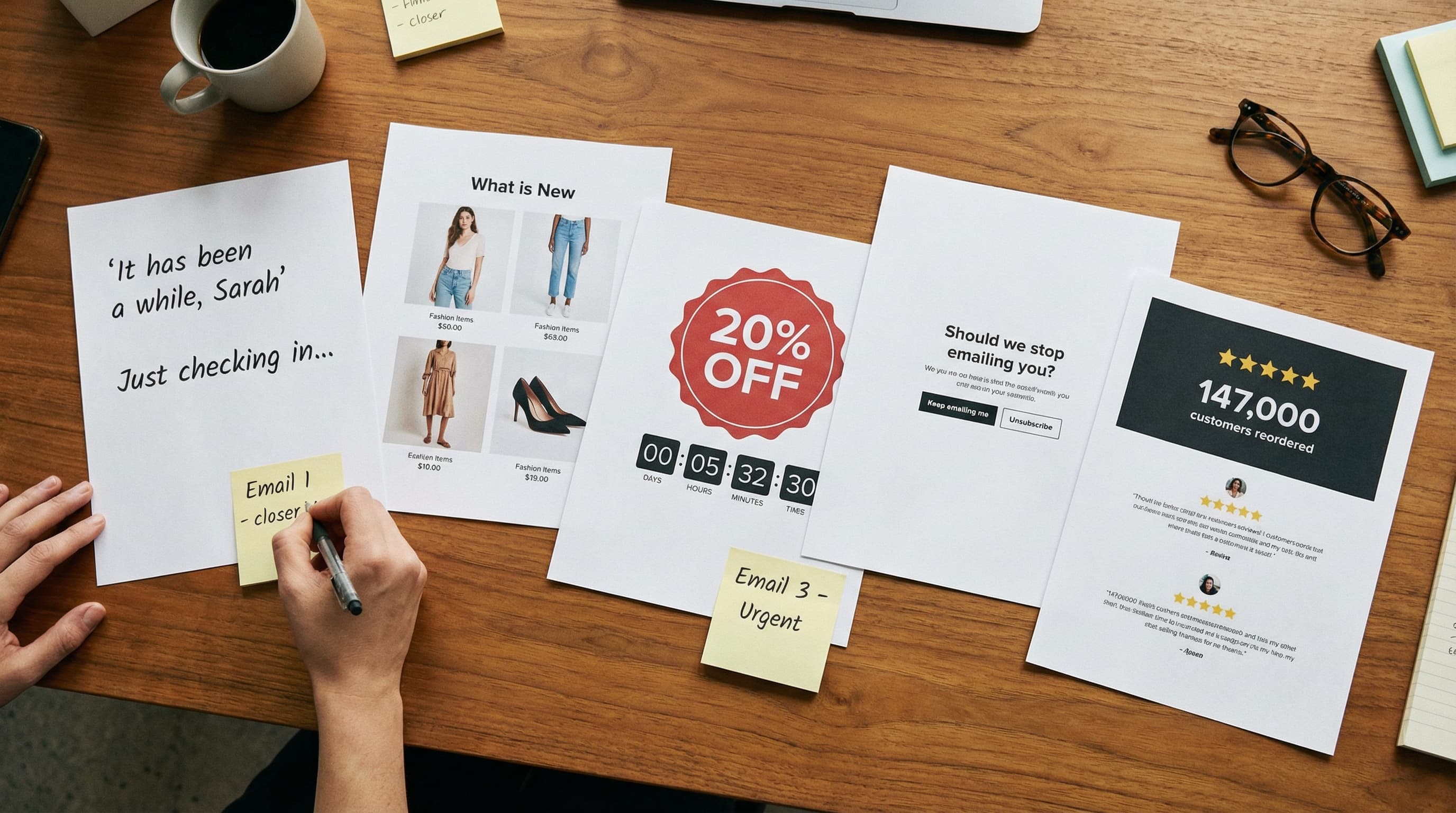
Win-Back Email Examples & Templates That Actually Work (2026)
10 real win-back email breakdowns from DTC brands, a 4-email template sequence, 30+ subject lines, and design tips.
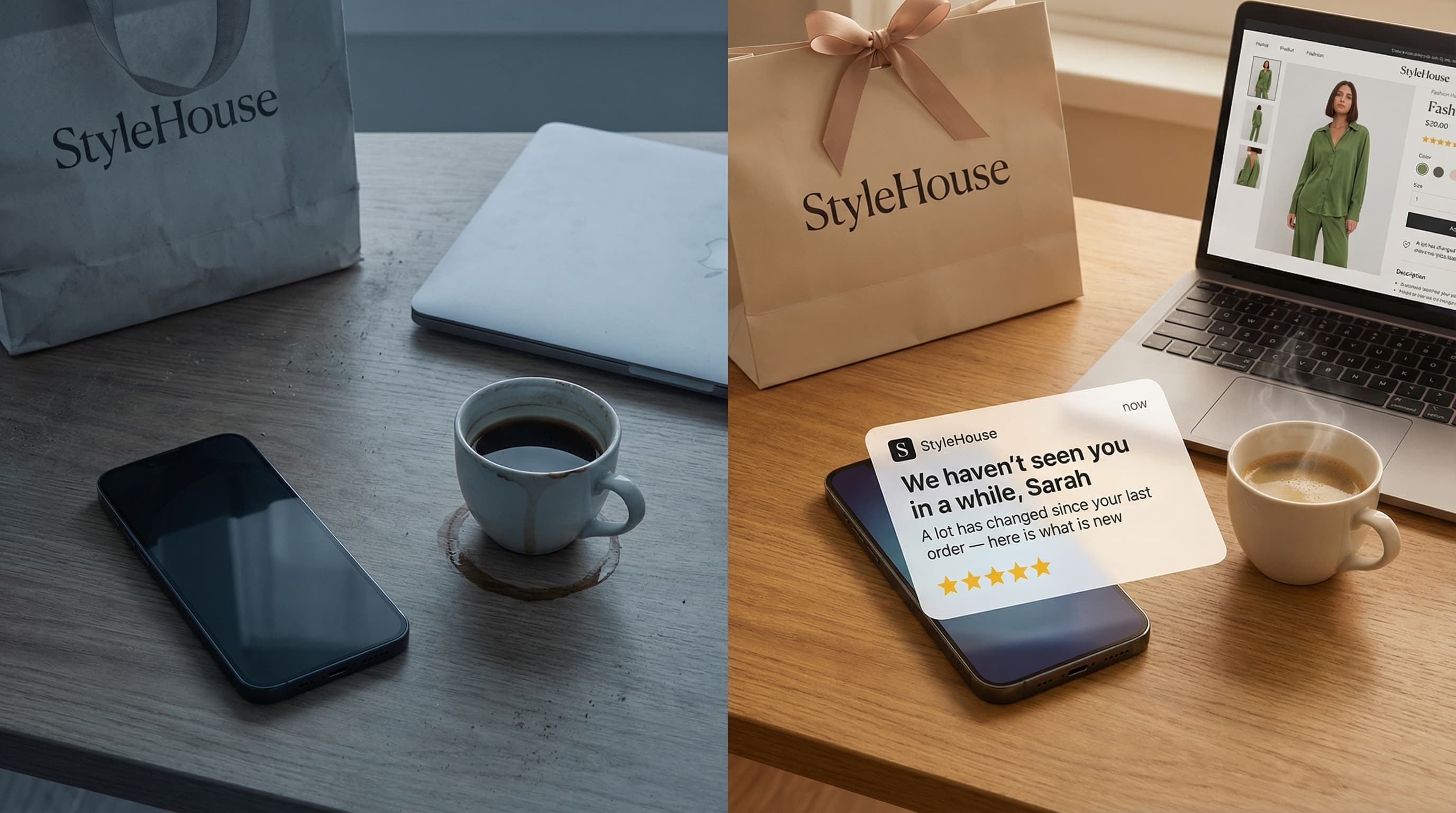
Win-Back Email: How to Re-Activate Lapsed Ecommerce Customers
70-80% of first-time buyers disappear after one purchase. A win-back flow catches them before they are gone.