
Bob Thordarson
Co-Founder and CEO
Bob Thordarson is CEO and Co-Founder of Geysera, a serial entrepreneur with 25+ years and five co-founded ventures, including Cequint (acquired by TNS in 2010 for $112.5M) and Consumerware (acquired by ParkerVision). A graduate of the University of Washington and MIT Entrepreneurial Masters Program, based in Seattle, he serves on the boards of DRY Soda Co. and the Entrepreneurs' Organization Seattle chapter. He is an expert in retention marketing email systems and methodology for ecommerce and B2B brands — measured by incremental revenue, not vanity metrics.

Is an IP Address PII? What US Privacy Law Means for Identifying Website Visitors
California's privacy statute lists an Internet Protocol address by name and treats it as personal information whenever it can reasonably be linked to a consumer or household. This guide walks what an IP address becomes at each step of website visitor identification, when the opt-out signal in the browser has to be honoured, what the California pen-register cases and the Washington wiretap case actually held, and what five identification vendors say they do about all of it.

Lead Routing for Identified Website Visitors: From Identified to Pipeline
Identifying a website visitor produces a name, a work email and a page path. What the CRM does with that record in the next sixty seconds decides whether anyone ever acts on it. This guide sets out the five routing decisions in the order they have to run: confidence, buyer-versus-candidate, match before create, owner assignment, and create with the owner already set, with the HubSpot, Salesforce and Bullhorn mechanics for each.

What Website Visitor Identification Costs in 2026
Website visitor identification is sold from $0 a month to $30,000 a year, and the published figure tells you very little on its own. Vendors charge in at least six different units, so two plans at the same price can buy volumes that differ tenfold. This guide lists every published price as of September 2026, normalises them to cost per identified person, and gives you four questions that make the comparison fair.
Third-Party Cookies Didn't Die. The Deprecation Did.
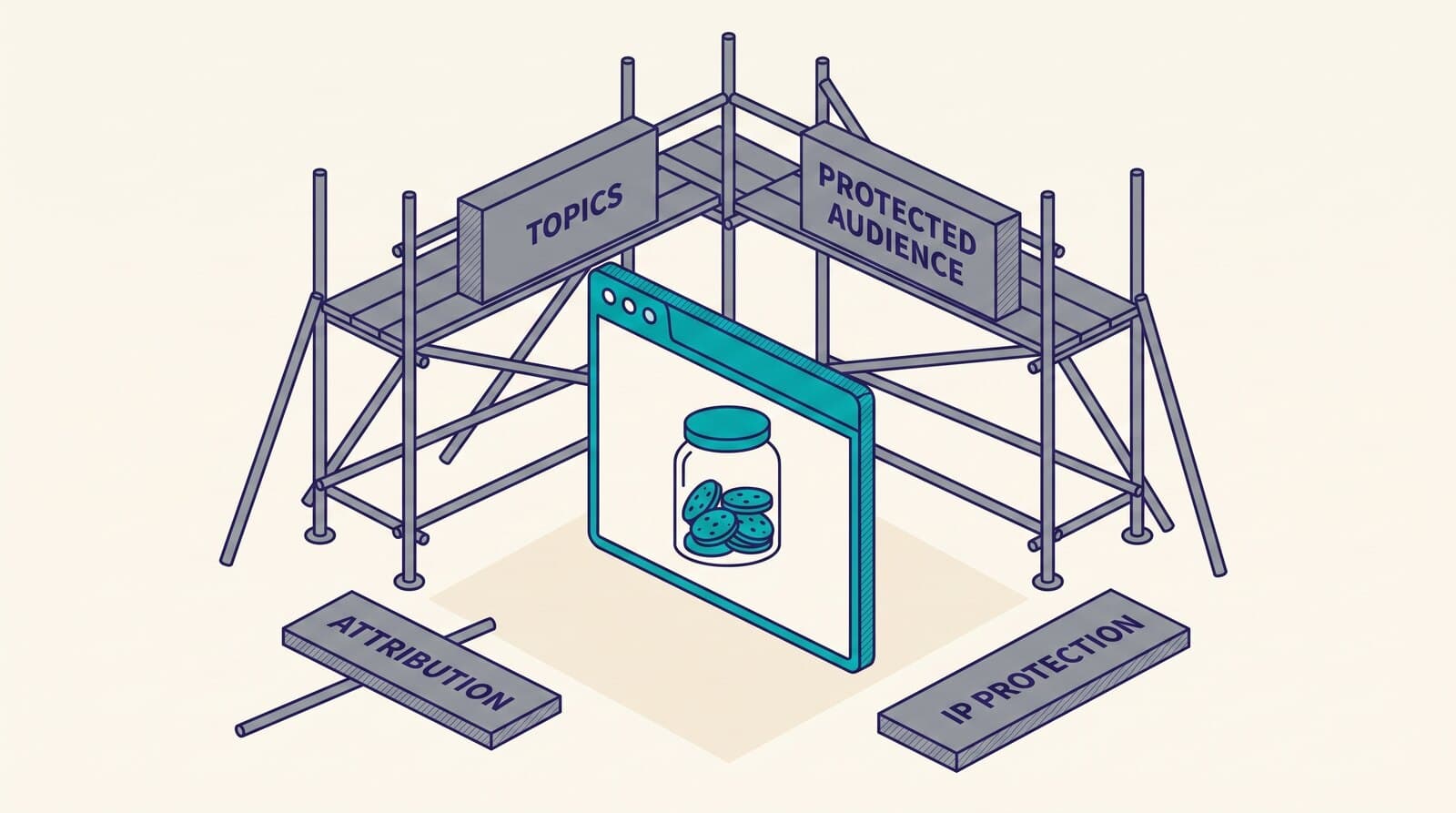
Google decided in April 2025 to keep third-party cookies in Chrome, then retired most of Privacy Sandbox that October. The cookieless migration much of the industry planned for is not happening in the form it was sold. This guide covers what was actually announced, why B2B visitor identification never depended on third-party cookies, what server-side collection does and does not fix, and how long each kind of signal really lasts.

Person-Level vs Company-Level Identification: What You Can Actually Know About a B2B Visitor
B2B website visitor identification resolves anonymous traffic at one of two levels, and the gap between them decides what you can do with the result. Company-level returns an organization from an IP address. Person-level returns a named individual with a work email. This guide covers what each one delivers, what the published match rates actually mean, why one vendor can publish four different numbers for the same product, and the compliance difference that changed on January 1, 2023.
B2B Intent Data Explained — and Where It Breaks
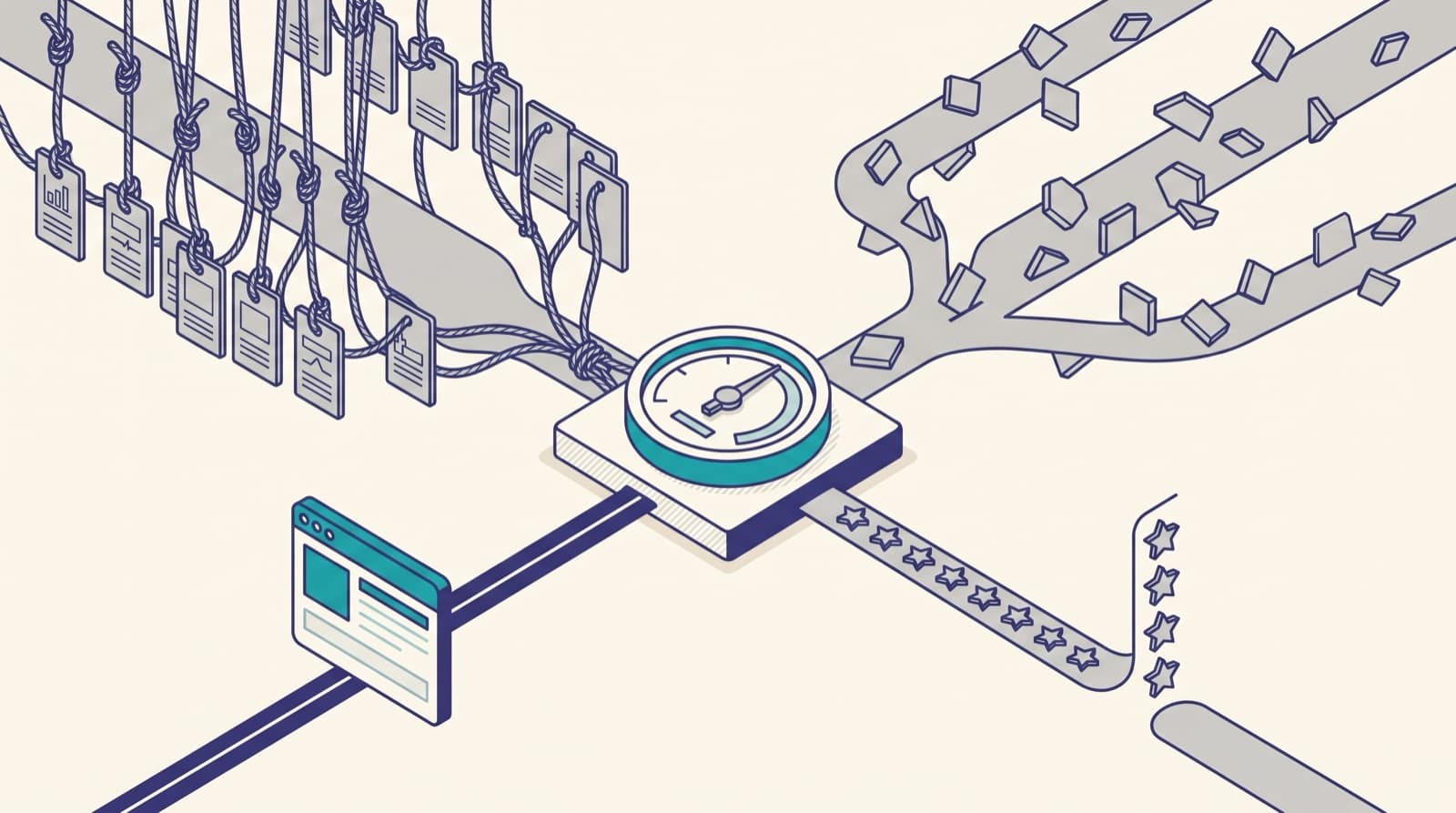
B2B intent data promises to tell you which accounts are researching your category before they ever visit your site. Some of it does. This guide covers the four places intent signals actually come from, what the vendors disclose about their methods, what two European court rulings did to the ad-auction supply, and how to test a provider before you sign.
Website Visitor ID Match Rates Decoded: Why 40%+ Person-Level Claims Are Usually Fiction
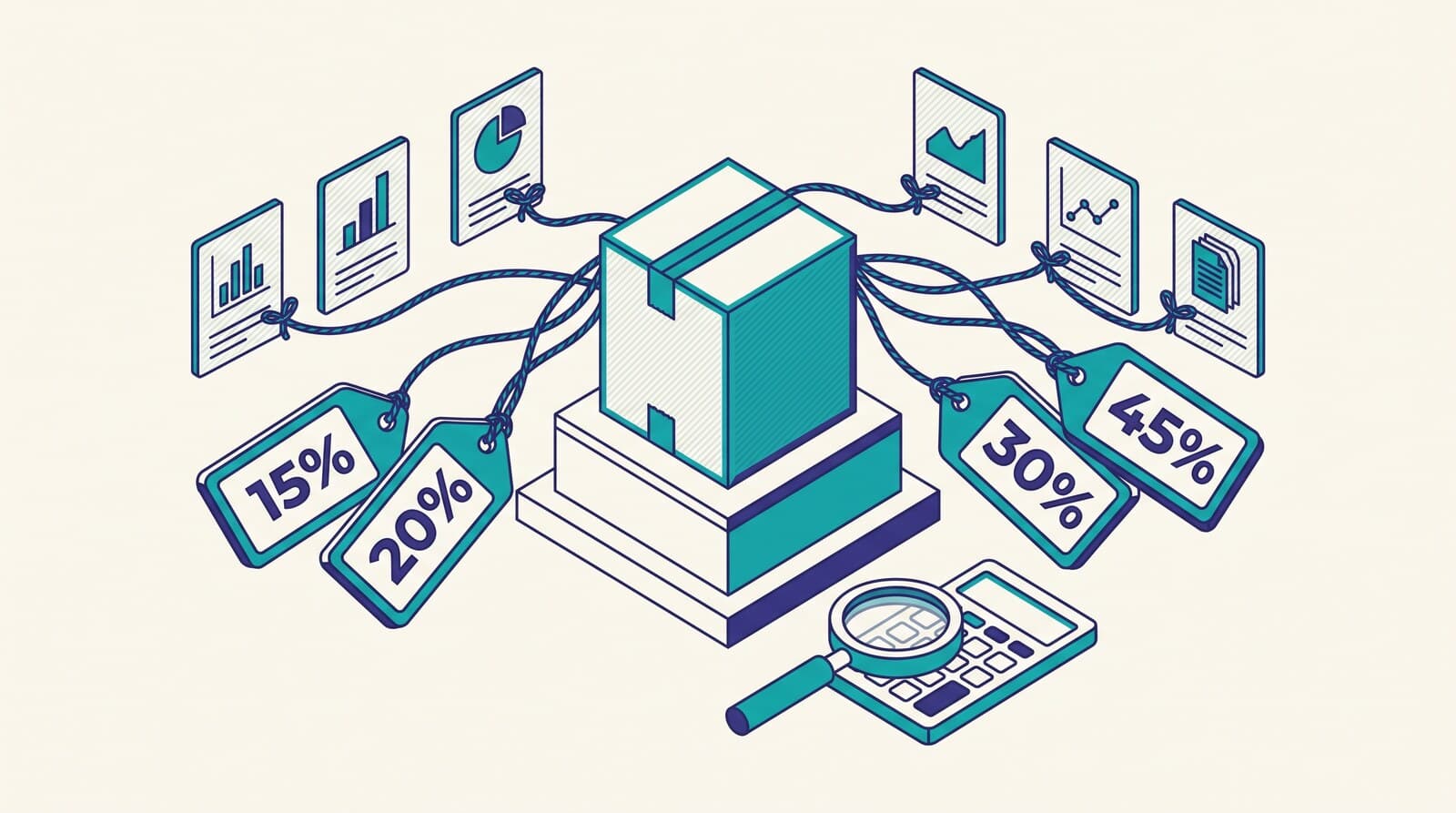
Every visitor identification vendor publishes a match rate, and almost none of them mean the same thing by it. This guide compares the published claims of 15 B2B vendors side by side, shows how the number is actually calculated, explains why one product is currently advertised at four different rates at once, and gives you a self-audit you can run on your own traffic in an afternoon.

What Is an Identity Graph? How Anonymous Visitors Get Matched to Real People
An identity graph is the database that turns scattered signals like cookies, emails, device IDs and IP addresses into one real person or company. This guide breaks it down node by node: how a graph matches an anonymous visitor to a name, the difference between deterministic and probabilistic matching, why every graph decays over time, and why a B2B graph is a fundamentally harder problem than the consumer graphs that hit 99% match rates.
How to Identify Anonymous Website Visitors: 5 Methods and What Each Actually Delivers
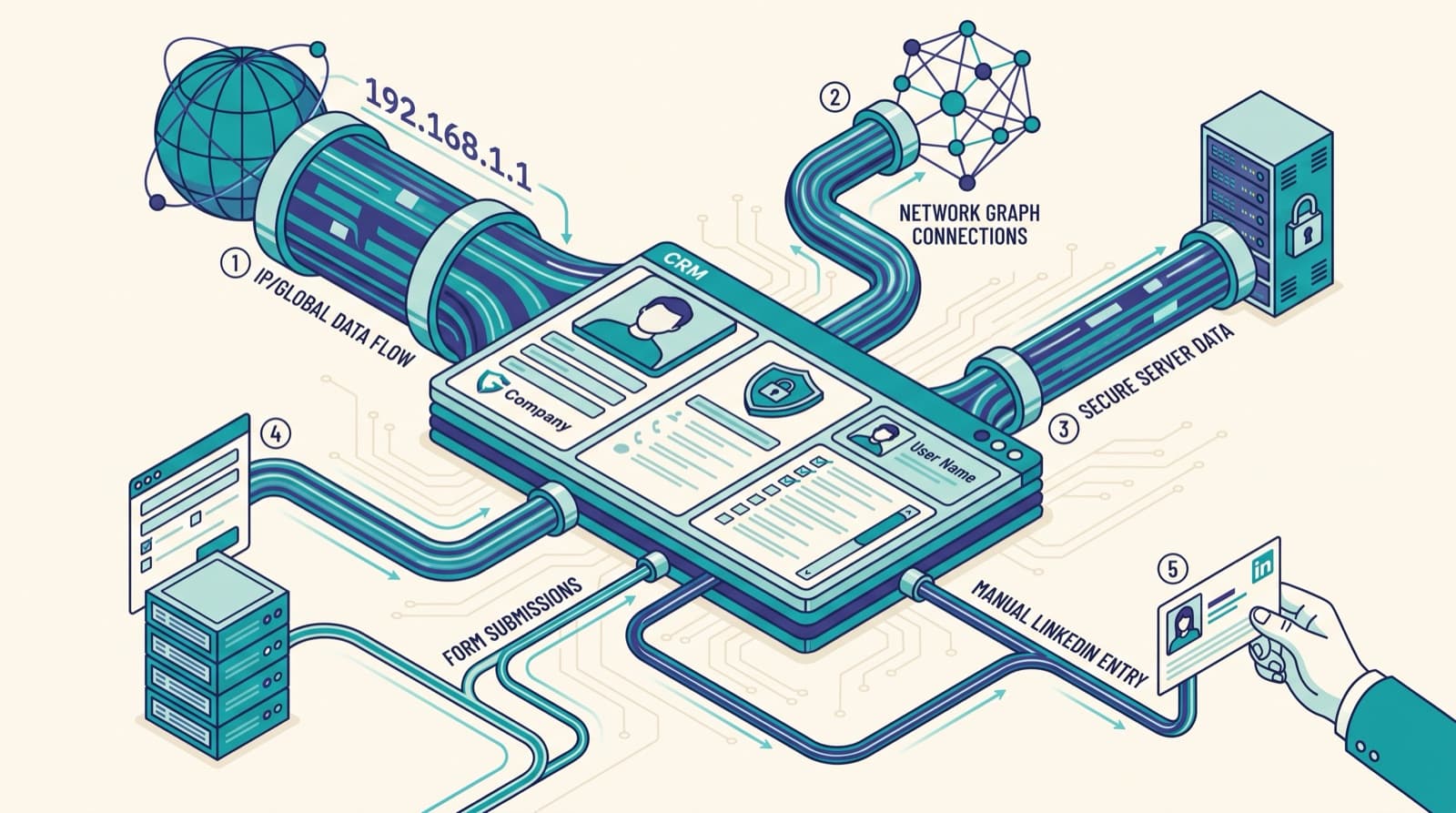
There are five real ways to identify anonymous website visitors, and they deliver wildly different things. This guide walks through each method — reverse-IP company lookup, third-party identity graphs, first-party server-side resolution, form fills with enrichment, and manual LinkedIn matching — with the realistic match rate, cost, and limits of each, so you can pick the one that fits your traffic instead of the one with the loudest pitch.
Anonymous Website Visitor Identification for B2B: The Complete 2026 Guide
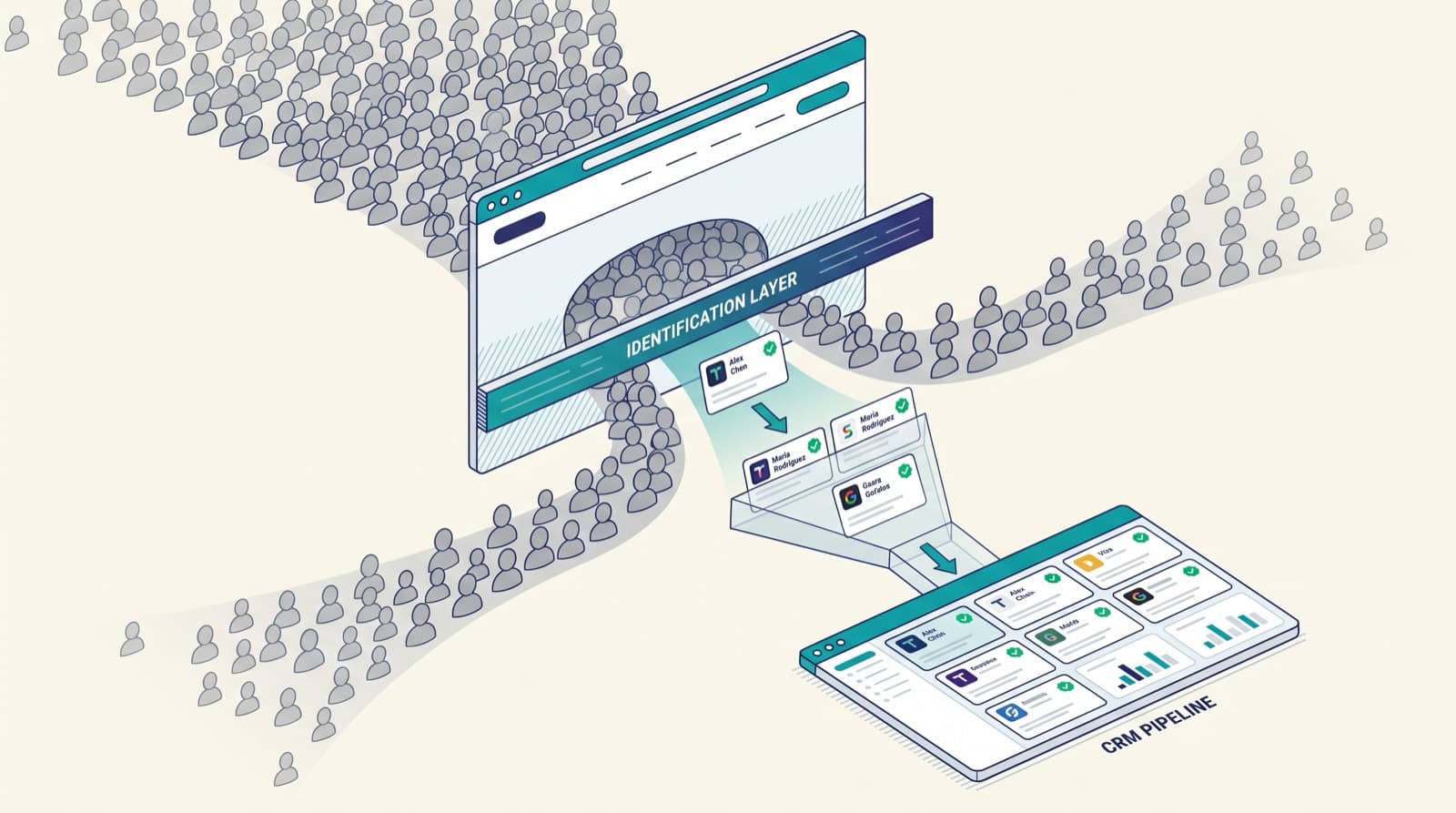
Anonymous website visitor identification turns a fraction of your invisible B2B traffic into named buyers. This complete 2026 guide covers how it works, person-level vs company-level, the match rates few vendors let you verify, how to route identified buyers into your CRM, and when it's legal to email them.

Browse Abandonment Email Examples: 10 Real Emails, Pulled Apart
Ten real browse abandonment emails from Cole Haan, Timex, Nomad, Charlotte Stone, Adidas and five other brands, each pulled apart to show the one job it does and the point where it stops working. Includes the subject line five of these brands are running almost word for word, the 2026 open and conversion rates behind the format, and the arithmetic that decides how many of your browse sessions the flow can reach at all.

What Is an Email Automation Layer? (And Why Ecommerce Brands Are Adding One)
Search "automation layer" and you get generic email-automation definitions, because nobody has defined the category. An email automation layer is a behavior-and-identity layer that sits on top of the ESP or CRM you already use, resolves the anonymous traffic those tools never see into contacts, and runs the behavioral flows across whatever you send with. This is what it is, how it differs from an ESP, a CRM, and a CDP, and why ecommerce brands are adding one.