Website Visitor Identification
How anonymous visitor identification works: the five methods, person-level vs company-level match rates, what it costs, and whether an IP address is PII.
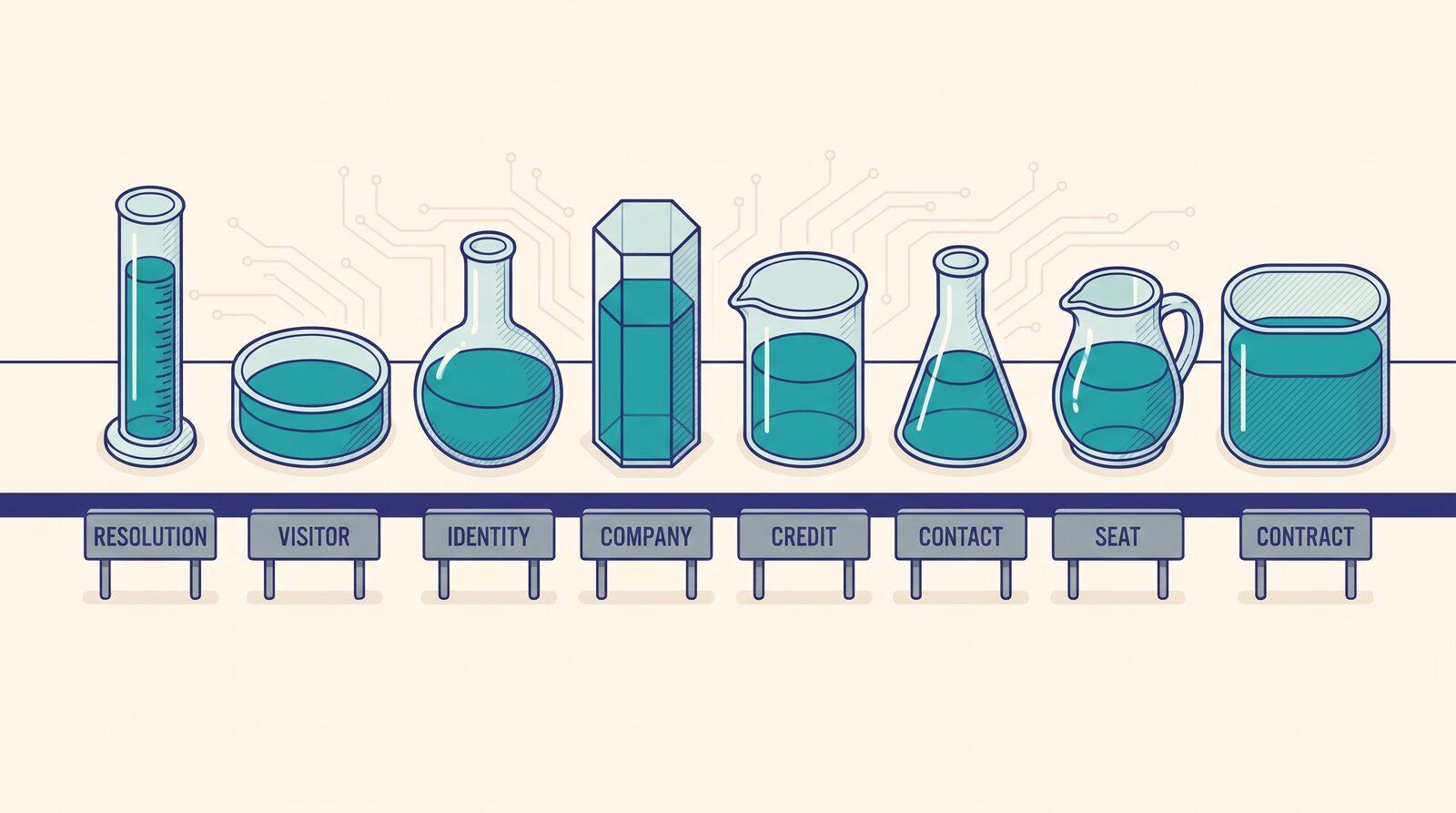
What Website Visitor Identification Costs in 2026
Website visitor identification is sold from $0 a month to $50,000 a month, and the published figure tells you very little on its own. Vendors charge in at least eight different units, so equally priced plans can buy very different volumes. This guide lists every published price as of November 2026, including RB2B and Leadfeeder rate cards, normalises person-level plans to cost per identified person, and gives you four questions that make the comparison fair.
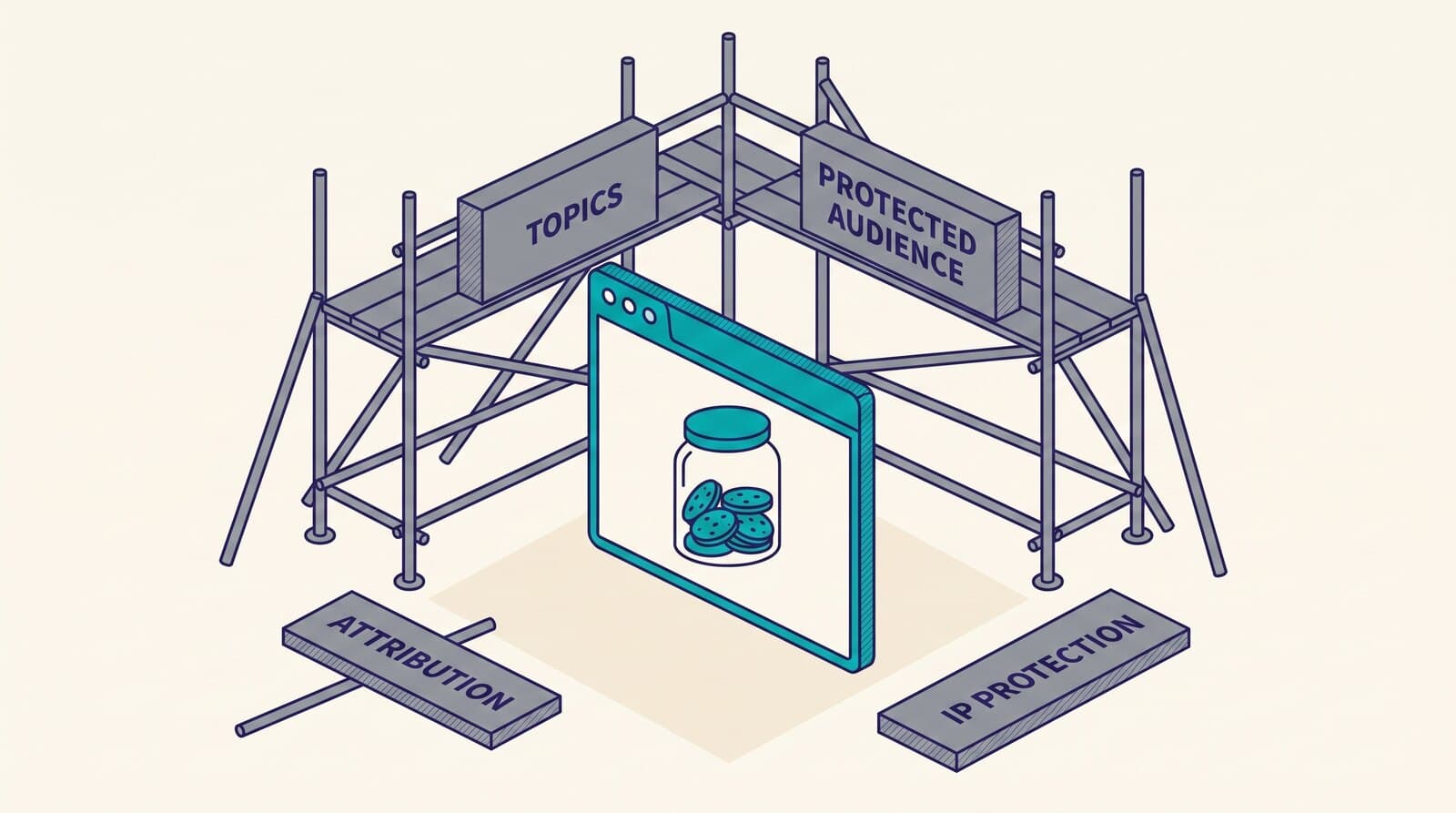
Third-Party Cookies Didn't Die. The Deprecation Did.
Google decided in April 2025 to keep third-party cookies in Chrome, then retired most of Privacy Sandbox that October. The cookieless migration much of the industry planned for is not happening in the form it was sold. This guide covers what was actually announced, why B2B visitor identification never depended on third-party cookies, what server-side collection does and does not fix, and how long each kind of signal really lasts.

Person-Level vs Company-Level Identification: What You Can Actually Know About a B2B Visitor
B2B website visitor identification resolves anonymous traffic at one of two levels, and the gap between them decides what you can do with the result. Company-level returns an organization from an IP address. Person-level returns a named individual with a work email. This guide covers what each one delivers, what the published match rates actually mean, why one vendor can publish four different numbers for the same product, and the compliance difference that changed on January 1, 2023.
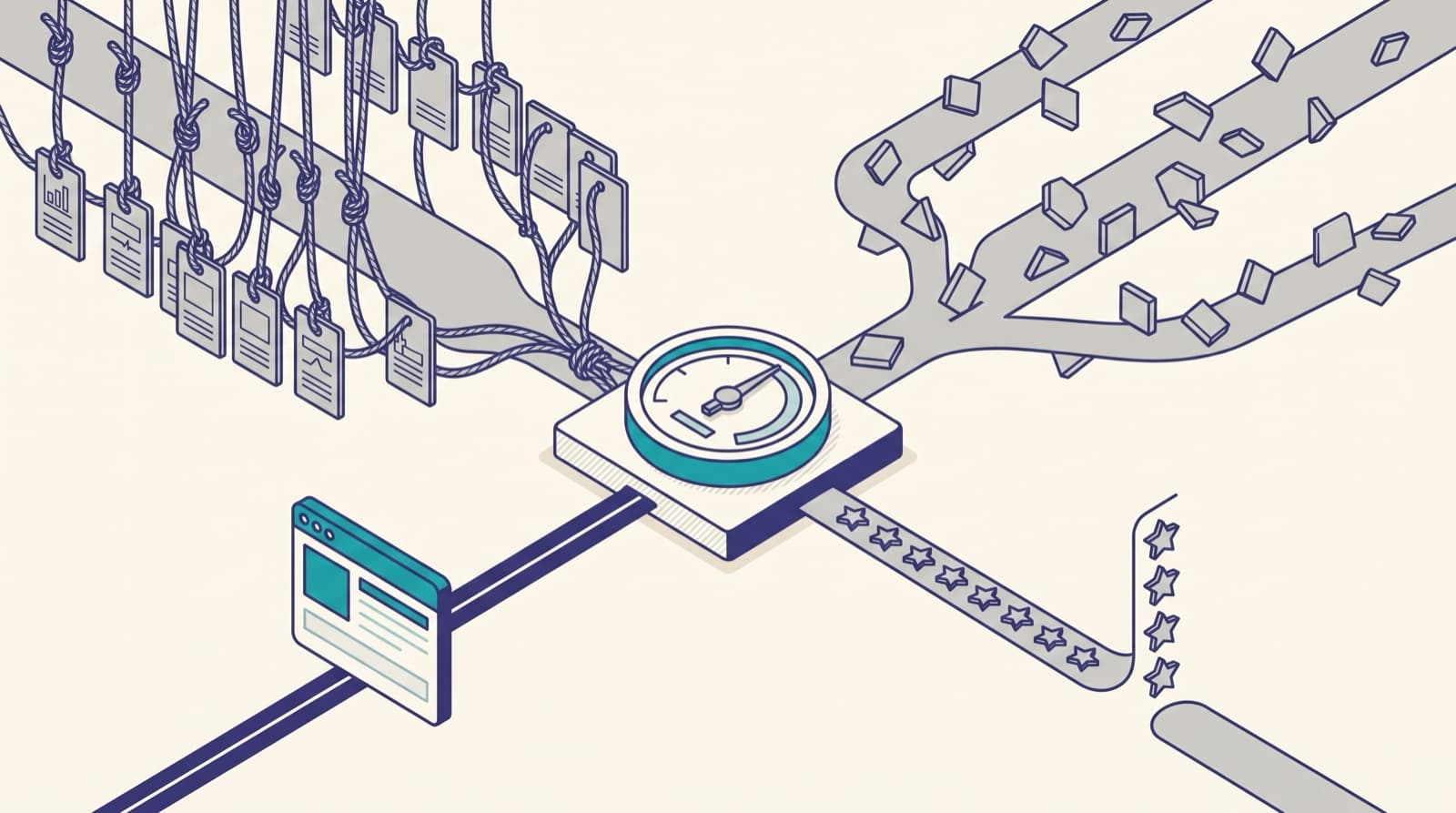
B2B Intent Data Explained — and Where It Breaks
B2B intent data promises to tell you which accounts are researching your category before they ever visit your site. Some of it does. This guide covers the four places intent signals actually come from, what the vendors disclose about their methods, what two European court rulings did to the ad-auction supply, and how to test a provider before you sign.
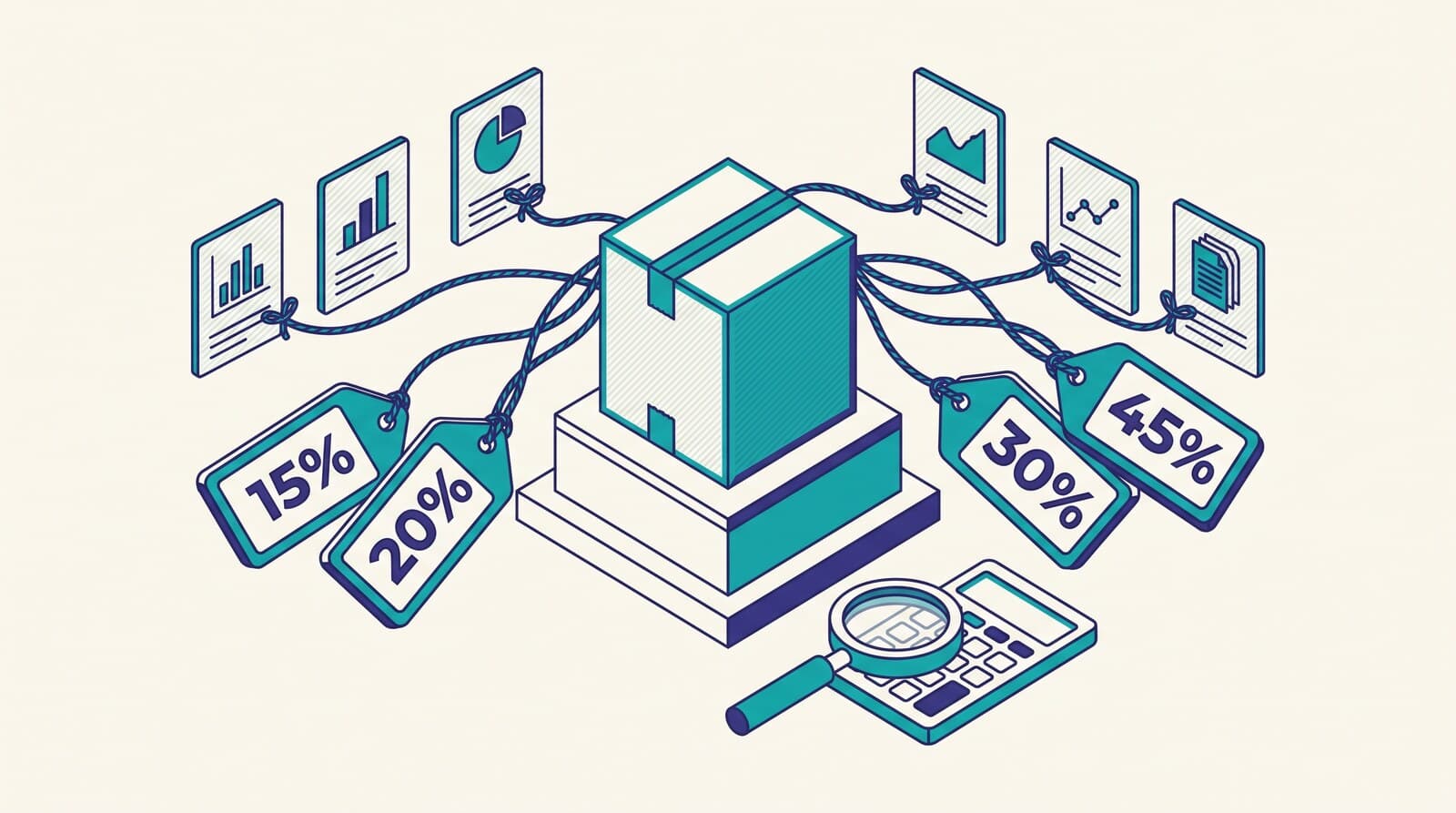
Website Visitor ID Match Rates Decoded: Why 40%+ Person-Level Claims Are Usually Fiction
Every visitor identification vendor publishes a match rate, and almost none of them mean the same thing by it. This guide compares the published claims of 15 B2B vendors side by side, shows how the number is actually calculated, explains why one product is currently advertised at four different rates at once, and gives you a self-audit you can run on your own traffic in an afternoon.

What Is an Identity Graph? How Anonymous Visitors Get Matched to Real People
An identity graph is the database that turns scattered signals like cookies, emails, device IDs and IP addresses into one real person or company. This guide breaks it down node by node: how a graph matches an anonymous visitor to a name, the difference between deterministic and probabilistic matching, why every graph decays over time, and why a B2B graph is a fundamentally harder problem than the consumer graphs that hit 99% match rates.
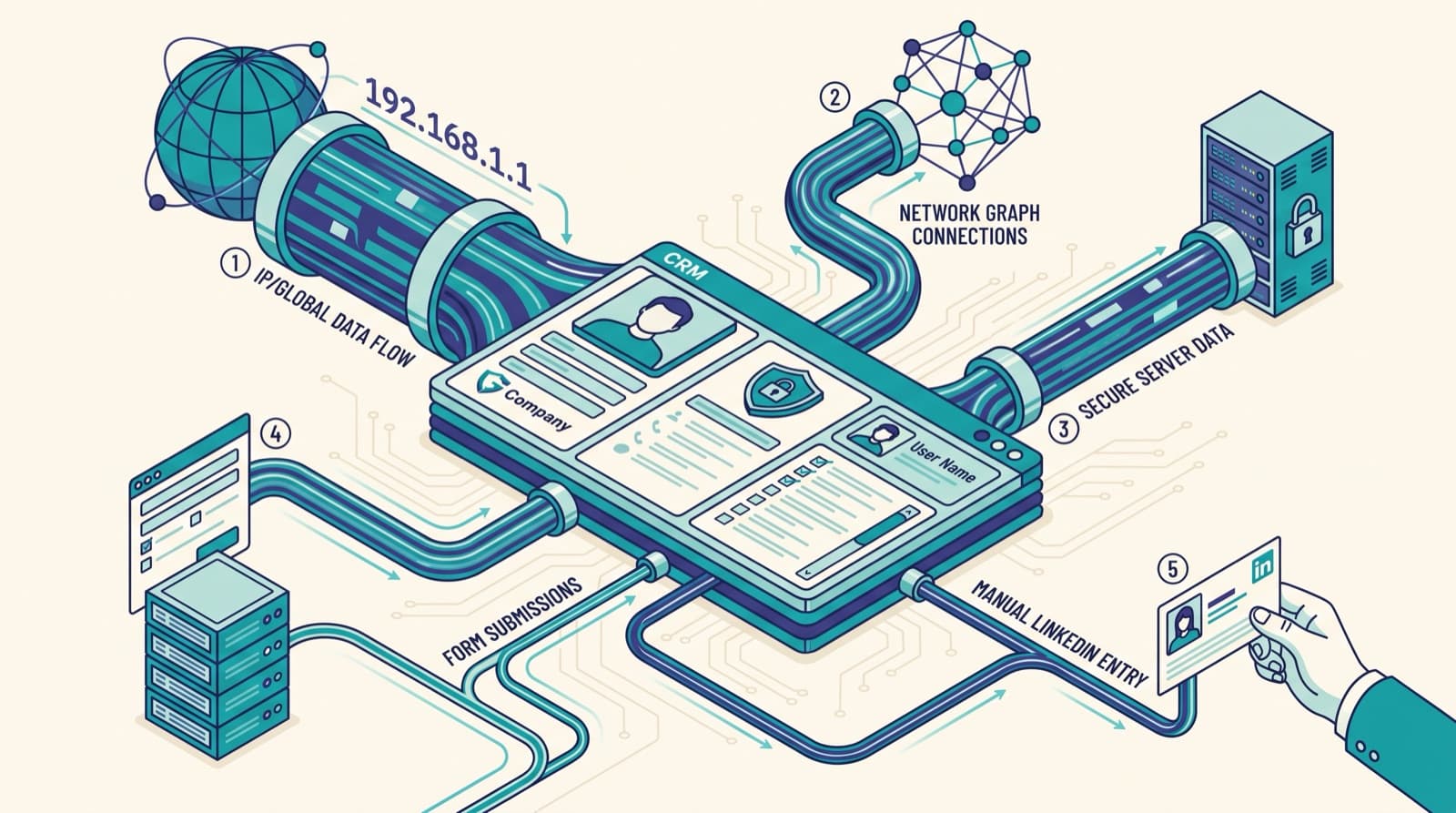
How to Identify Anonymous Website Visitors: 5 Methods and What Each Actually Delivers
There are five real ways to identify anonymous website visitors, and they deliver wildly different things. This guide walks through each method — reverse-IP company lookup, third-party identity graphs, first-party server-side resolution, form fills with enrichment, and manual LinkedIn matching — with the realistic match rate, cost, and limits of each, so you can pick the one that fits your traffic instead of the one with the loudest pitch.
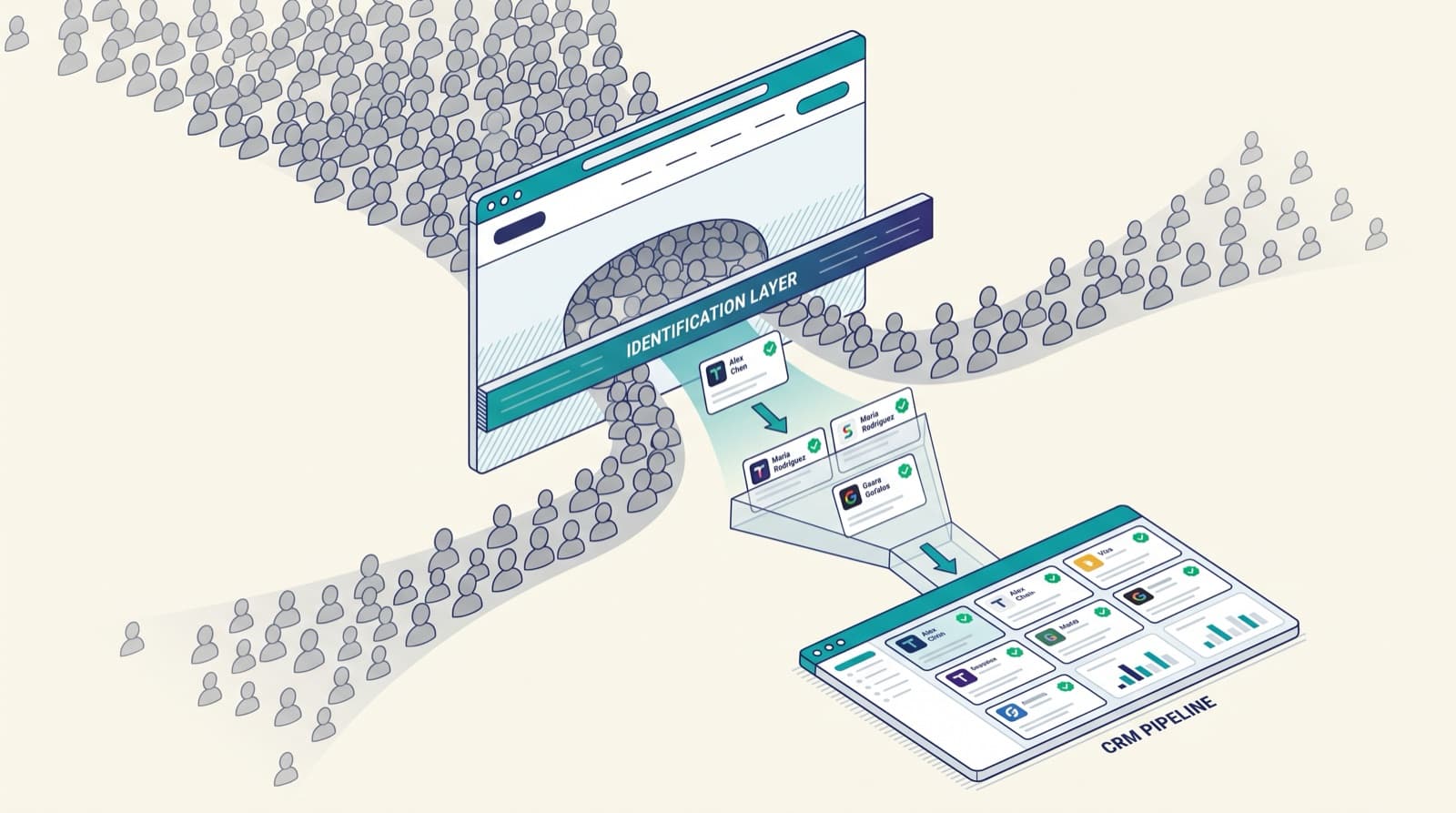
Anonymous Website Visitor Identification for B2B: The Complete 2026 Guide
Anonymous website visitor identification turns a fraction of your invisible B2B traffic into named buyers. This complete 2026 guide covers how it works, person-level vs company-level, the match rates few vendors let you verify, how to route identified buyers into your CRM, and when it's legal to email them.

Website Visitor Identification for Ecommerce: How Identity Graphs and Server-Side Tracking Actually Work (2026)
97% of your visitors leave without buying — and the industry built to identify them is split into two camps. One buys email addresses from third-party data brokers with spam complaint rates up to 125x the ecommerce average. The other recognizes your own customers when they return, using server-side tracking your ESP can't do alone. This guide breaks down identity graphs, confidence scoring, data decay, and the match-rate math most vendors hope you never run.