Tag
identity resolution
3 posts
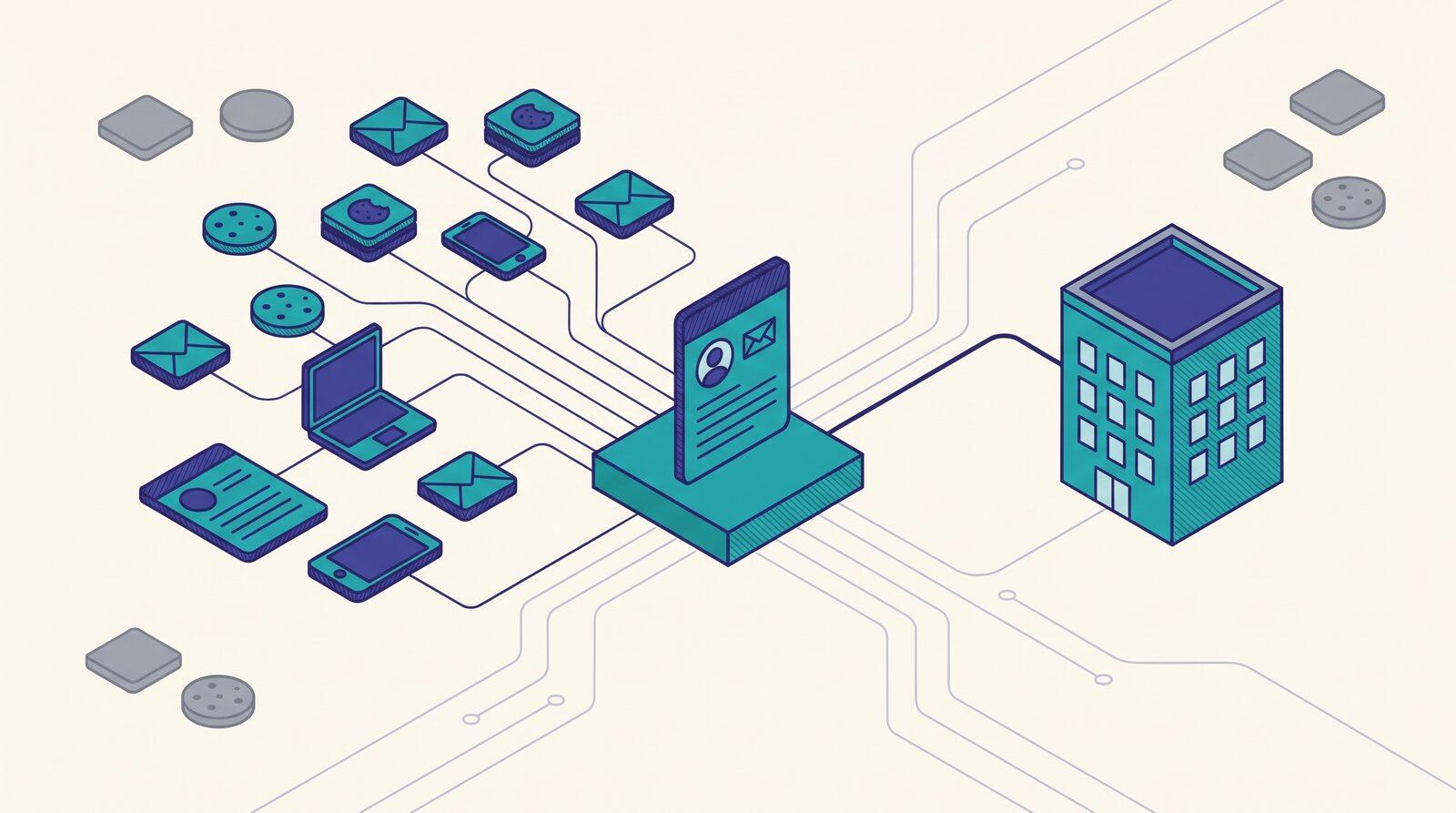
Identity Resolution for B2B: How It Works and Which Platforms Do It
Identity resolution matches scattered identifiers, such as emails, cookies, device IDs, IP addresses and CRM records, to the person or company they belong to. This guide walks through the five steps most systems run, the difference between first-party and third-party resolution, the six kinds of identity resolution platform from CDPs to visitor identification tools, why B2B is harder than B2C, and seven questions to ask before you buy.
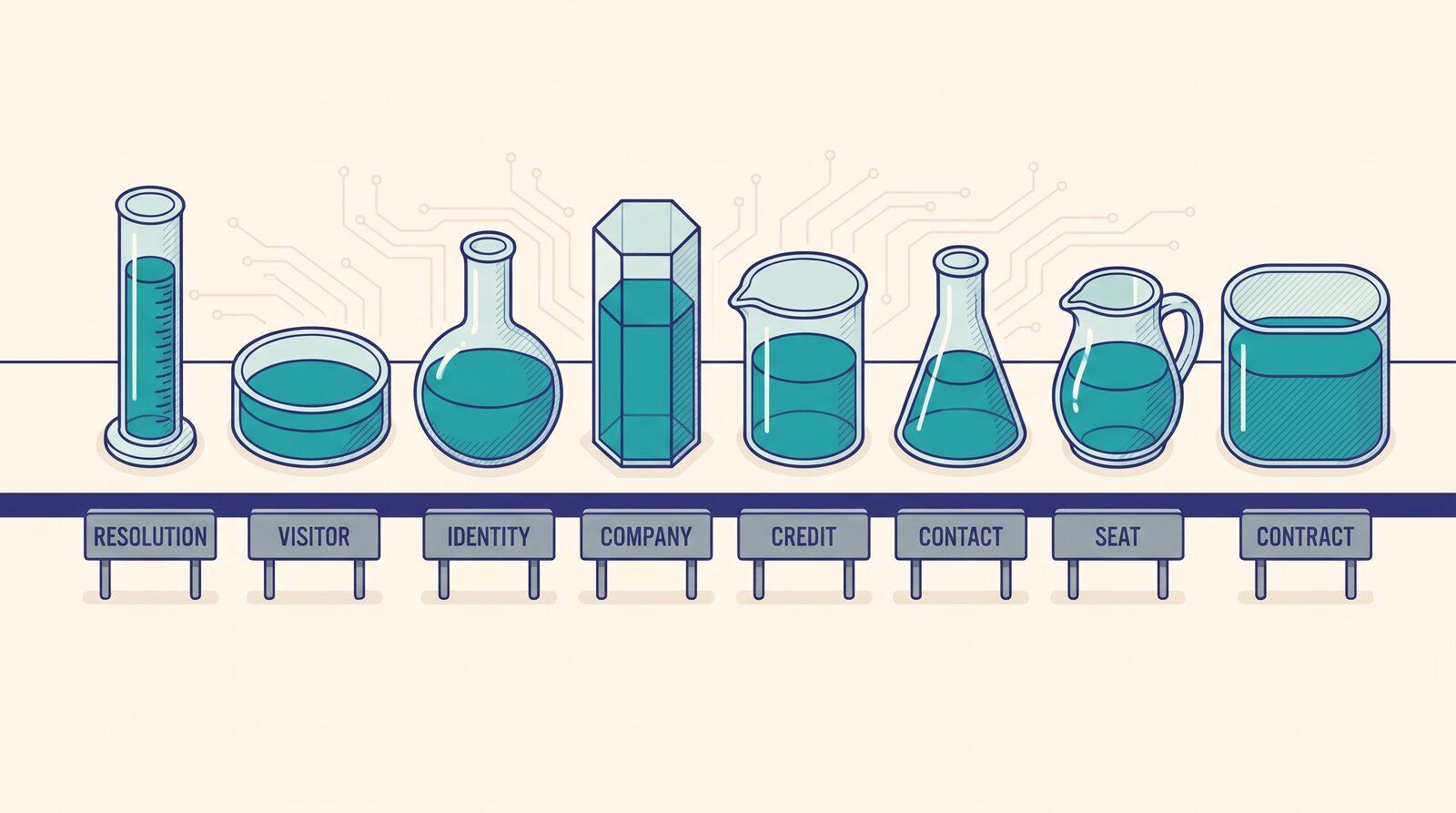
What Website Visitor Identification Costs in 2026
Website visitor identification is sold from $0 a month to $50,000 a month, and the published figure tells you very little on its own. Vendors charge in at least eight different units, so equally priced plans can buy very different volumes. This guide lists every published price as of November 2026, including RB2B and Leadfeeder rate cards, normalises person-level plans to cost per identified person, and gives you four questions that make the comparison fair.

What Is an Identity Graph? How Anonymous Visitors Get Matched to Real People
An identity graph is the database that turns scattered signals like cookies, emails, device IDs and IP addresses into one real person or company. This guide breaks it down node by node: how a graph matches an anonymous visitor to a name, the difference between deterministic and probabilistic matching, why every graph decays over time, and why a B2B graph is a fundamentally harder problem than the consumer graphs that hit 99% match rates.