Tag
company-level identification
3 posts

Website Visitor Tracking: How to See Who Visits Your Website
Website visitor tracking means four different things: analytics that records what visitors do, company-level tools that name the employer behind an IP address, person-level tools that name individuals in the US, and forms that name the few who tell you. This guide takes each layer in turn, with what it shows, how much of your traffic it reaches according to published vendor figures, where it stops, and the order to set them up so each step tells you whether the next is worth paying for.
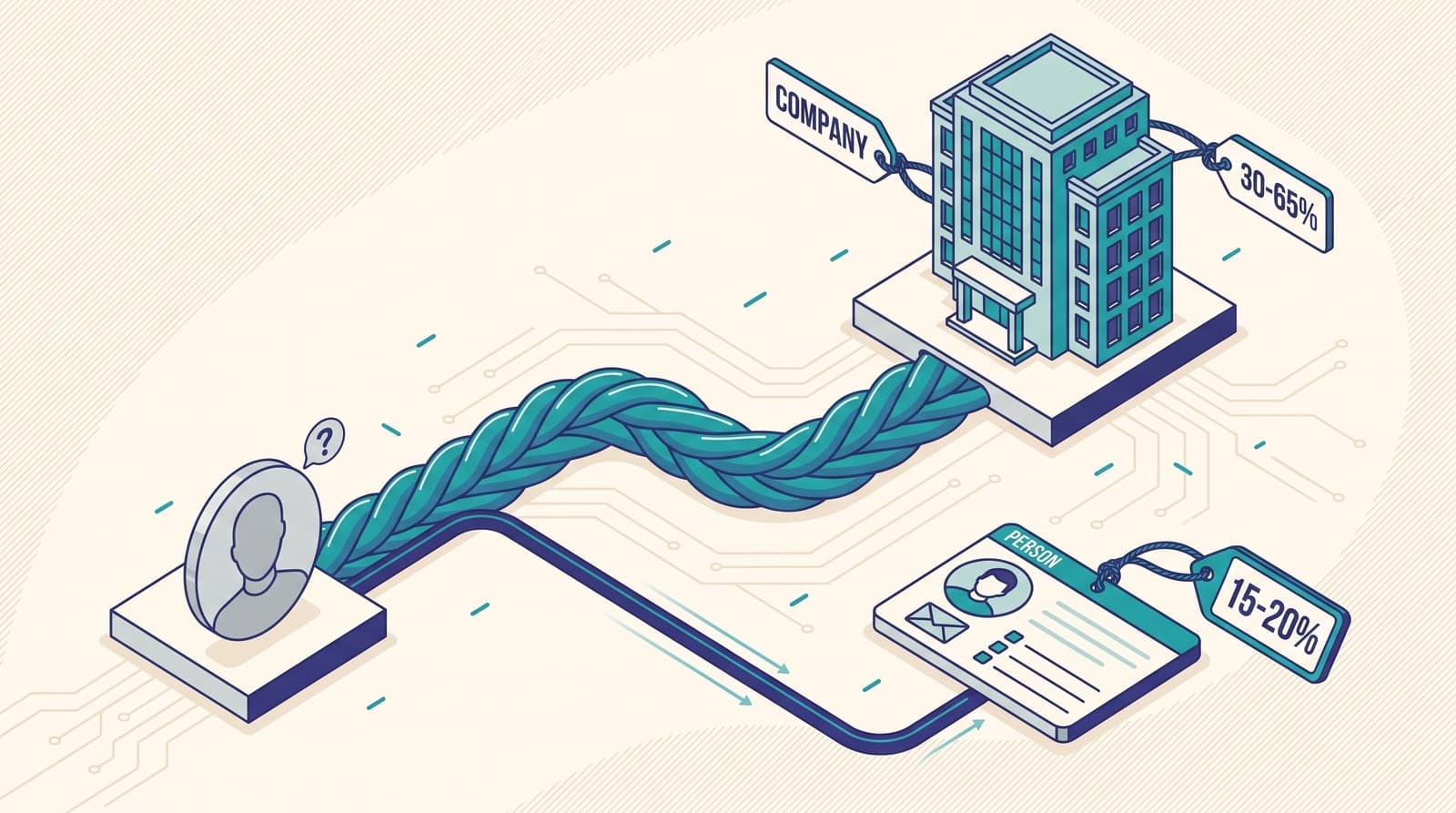
Person-Level vs Company-Level Identification: What You Can Actually Know About a B2B Visitor
B2B website visitor identification resolves anonymous traffic at one of two levels, and the gap between them decides what you can do with the result. Company-level returns an organization from an IP address. Person-level returns a named individual with a work email. This guide covers what each one delivers, what the published match rates actually mean, why one vendor can publish four different numbers for the same product, and the compliance difference that changed on January 1, 2023.
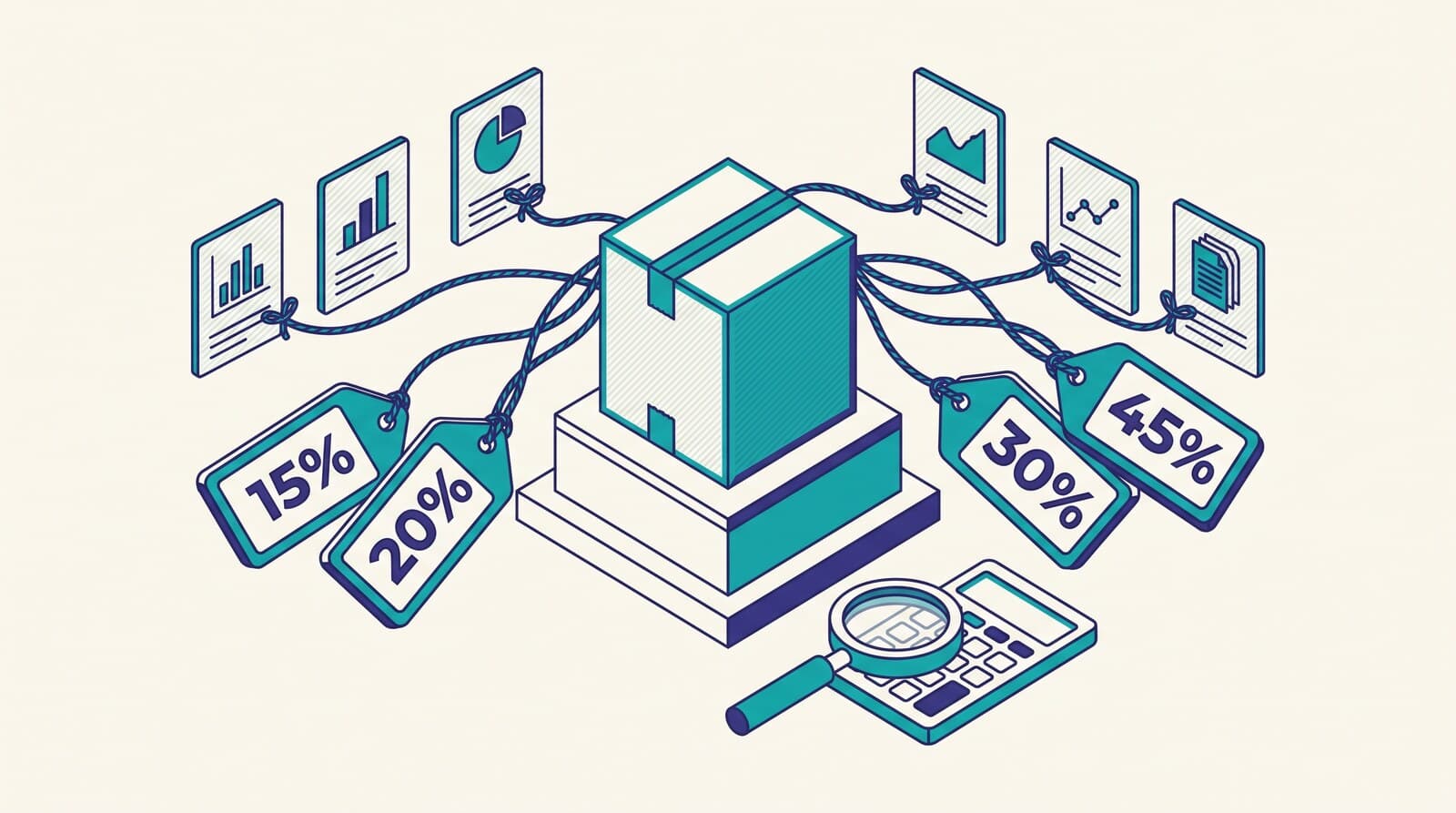
Website Visitor ID Match Rates Decoded: Why 40%+ Person-Level Claims Are Usually Fiction
Every visitor identification vendor publishes a match rate, and almost none of them mean the same thing by it. This guide compares the published claims of 15 B2B vendors side by side, shows how the number is actually calculated, explains why one product is currently advertised at four different rates at once, and gives you a self-audit you can run on your own traffic in an afternoon.